
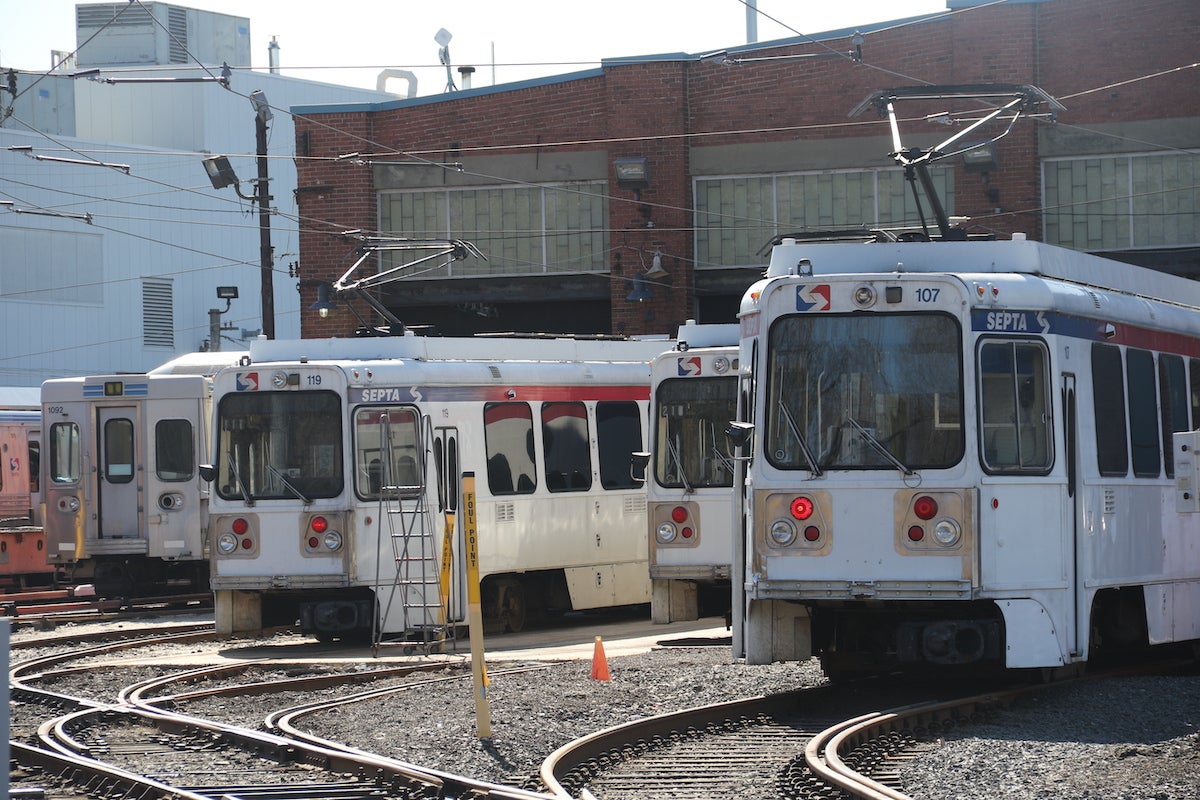
Since then, SEPTA has switched back to its old slider style, replaced segments of the 5 miles of wire that run through the tunnel and “filed down” other sections of rough, damaged wire by running test trolleys through the tunnels, Busch said.
SEPTA said the repairs required materials that took weeks to source, and that the testing has been time-consuming. The agency has repeatedly pushed back its estimated time of reopening.
“This is not a common type of repair that comes up,” Busch said. “It’s something that really didn’t have a precedent here. … We’ve been learning a lot as we’ve gone along.”
SEPTA plans to continue testing the wires before reopening the tunnel. The exact reopening date will depend on the results of this testing, and could be pushed back again, Busch said.
Once the tunnel reopens, SEPTA anticipates the system could require additional maintenance, which Busch said could lead to more weekend and overnight closures.
“What SEPTA is focused on now is making sure that we don’t return it back to service until it’s safe, and we know that service is going to be reliable for customers,” Busch said.
“We are eager to get the service back because it is such an efficient service for so many people,” he added.