
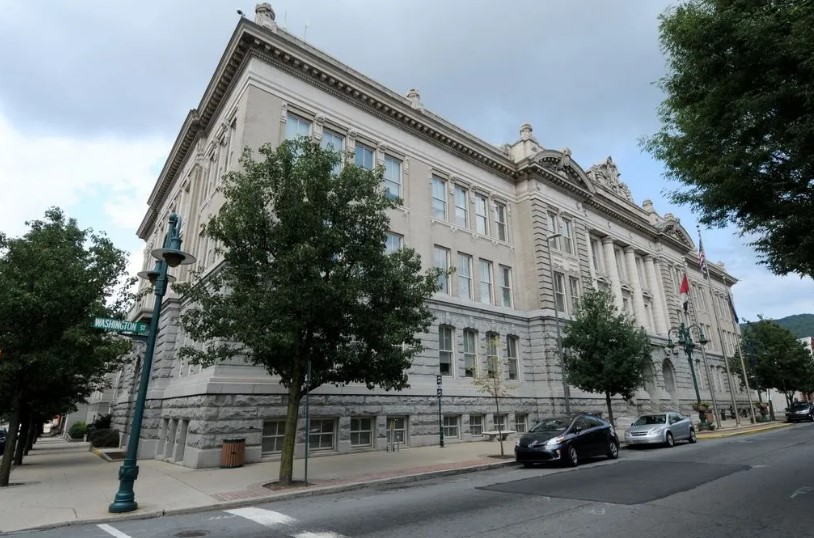
City Council’s first committee of the whole meeting of the new year focused on ethics, governance and organization.
Council members received training on the City Charter and Code of Ethics at the meeting Monday, the first in an official capacity for newly inaugurated District 4 Councilman Raymond E. Baker.
Council President Donna Reed welcomed Baker to the table, before turning the floor over to Edwin L. Stock, solicitor for the Reading Board of Ethics and a longtime specialist in municipal law.
The session was intended as a refresher for returning council members and an introduction for the city’s newest elected official, Stock said, noting he has served as solicitor to the ethics board since its formation in the mid-1990s.
The Code of Ethics, he explained, expands on the charter and governs matters such as conflicts of interest, gifts, confidentiality, nepotism and prohibited conduct.
The ethics board is available to council members with questions or to seek opinions, Stock said.
“If you are faced with an issue that you think involves possible ethical issues, you can submit a request to the board of ethics for an advisory opinion,” he said.
Acting in reliance on such an opinion, he explained, can serve as a defense if a decision is later questioned.
Stock also cautioned council members and city officials about required annual statements of financial interest, which must be filed by May 1. Failure to file, he warned, can result in fines and legal proceedings.
“If you do not file, you will get caught eventually,” he said.
The presentation also covered enforcement mechanisms and penalties for ethical violations, which range from admonitions and public censure to fines, restitution and the potential ineligibility to hold city office.
Stock described the complaint and investigation process, noting that while proceedings are confidential, being the subject of an ethics investigation can be costly and stressful.
Following the ethics portion, Stock provided an overview of the Home Rule Charter, explaining its role as the city’s governing document and outlining council’s powers, limitations and procedures.
Council Solicitor Michael Gombar added context on how the charter fits within the hierarchy of city laws, stressing that ordinances and administrative codes cannot conflict with it.
Discussion later turned to council’s internal organization, including the upcoming selection of a council vice president. While no formal nominations were permitted during the committee meeting, several members expressed interest in beginning the conversation.
Gombar clarified that official nominations and votes must take place at a regular council meeting, with Reed confirming that nominations are expected at the meeting Jan. 12.
Council also reviewed agenda items scheduled for consideration at the upcoming regular meeting.
Among them was a proposed ordinance authorizing a $100,000 amendment to the liquid fuels budget to cover rising utility expenses through the end of 2025. The transfer would shift funds from an underutilized contracted services line to street lighting costs.
Council members also discussed a proposed agreement extending a lease with the Reading Parking Authority for a parking lot at 213 S. 11th St. for a 15-year term, with optional five-year renewals.
Several members raised concerns about the length of the lease and the current underuse of the lot, questioning whether a shorter term or redevelopment options should be explored.
City administration representatives said they would return with additional information and feedback from the parking authority.