
In the aftermath of the unprecedented storm that hit the Pittsburgh region in April, the Pennsylvania Public Utility Commission examined the preparation and the storm response from utilities and outlined recommendations to strengthen future responses.The report, published this week, found that preparation from power companies was “generally appropriate based on forecasts.”However, the PUC says companies should continue to improve forecasting and outage prediction modeling.”I disagree with the fact that they think that there was very effective communication with local emergency management coordinators,” said state Rep. Abigail Salisbury, D-34th District. “That may well have been true in the city of Pittsburgh, but there are a lot more municipalities in Allegheny County than just the city of Pittsburgh.”Some of Salisbury’s constituents were without power for a week and a half. Her chief complaint concerned the lack of communication, especially with residents not knowing who to turn to or where to go for aid.”I was dealing with literally getting oxygen tanks to people who called me crying that they were going to die that night, and people were hungry. People had a million different needs that were not being met,” Salisbury said.The report also calls for strengthening call center performance, as the report found a number of calls, specifically to Duquesne Light Company, went unanswered.A statement from Duquesne Light says, in part:”The PUC report released today aligns with many of the findings and recommendations Duquesne Light Company (DLC) shared in our report issued last September, challenges that we began addressing immediately following the April storm. These improvements will directly enhance reliability and customer experience during major storms, and include upgrading technology and grid infrastructure, forecasting tools and customer communications; and investing in workforce training and readiness.”Pittsburgh’s Action News 4 also reached out to First Energy Electric, which said, “We’ve received the PaPUC report and are reviewing it. We remain committed to continually assessing and enhancing our storm preparedness and response efforts.”The commission’s central recommendation is the reestablishment of a statewide electric distribution company storm best practices group, focusing on translating lessons learned into measurable improvements that include prioritizing things like planning and coordination, the time of restoration, and communications.
PITTSBURGH —
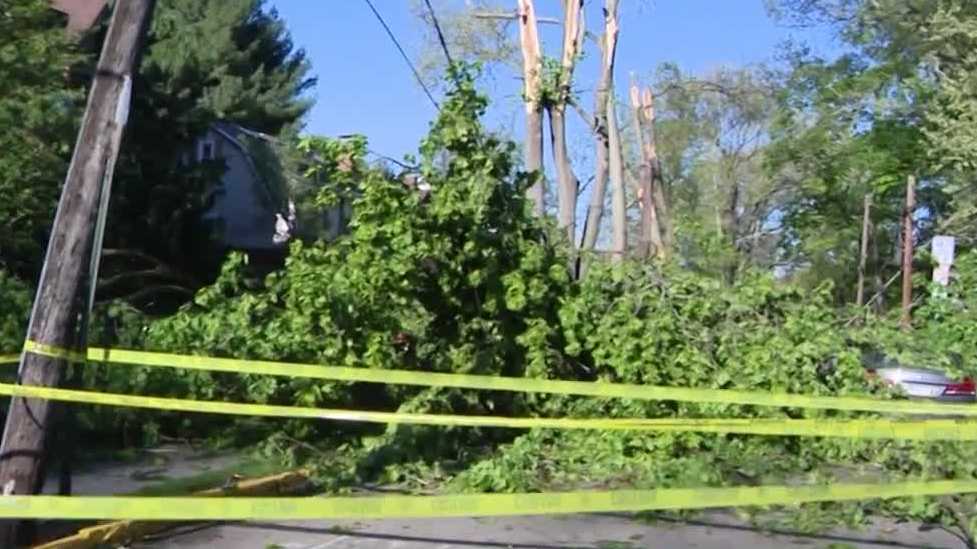
In the aftermath of the unprecedented storm that hit the Pittsburgh region in April, the Pennsylvania Public Utility Commission examined the preparation and the storm response from utilities and outlined recommendations to strengthen future responses.
The report, published this week, found that preparation from power companies was “generally appropriate based on forecasts.”
However, the PUC says companies should continue to improve forecasting and outage prediction modeling.
“I disagree with the fact that they think that there was very effective communication with local emergency management coordinators,” said state Rep. Abigail Salisbury, D-34th District. “That may well have been true in the city of Pittsburgh, but there are a lot more municipalities in Allegheny County than just the city of Pittsburgh.”
Some of Salisbury’s constituents were without power for a week and a half. Her chief complaint concerned the lack of communication, especially with residents not knowing who to turn to or where to go for aid.
“I was dealing with literally getting oxygen tanks to people who called me crying that they were going to die that night, and people were hungry. People had a million different needs that were not being met,” Salisbury said.
The report also calls for strengthening call center performance, as the report found a number of calls, specifically to Duquesne Light Company, went unanswered.
A statement from Duquesne Light says, in part:
“The PUC report released today aligns with many of the findings and recommendations Duquesne Light Company (DLC) shared in our report issued last September, challenges that we began addressing immediately following the April storm. These improvements will directly enhance reliability and customer experience during major storms, and include upgrading technology and grid infrastructure, forecasting tools and customer communications; and investing in workforce training and readiness.”
Pittsburgh’s Action News 4 also reached out to First Energy Electric, which said, “We’ve received the PaPUC report and are reviewing it. We remain committed to continually assessing and enhancing our storm preparedness and response efforts.”
The commission’s central recommendation is the reestablishment of a statewide electric distribution company storm best practices group, focusing on translating lessons learned into measurable improvements that include prioritizing things like planning and coordination, the time of restoration, and communications.