
From Philly and the Pa. suburbs to South Jersey and Delaware, what would you like WHYY News to cover? Let us know!
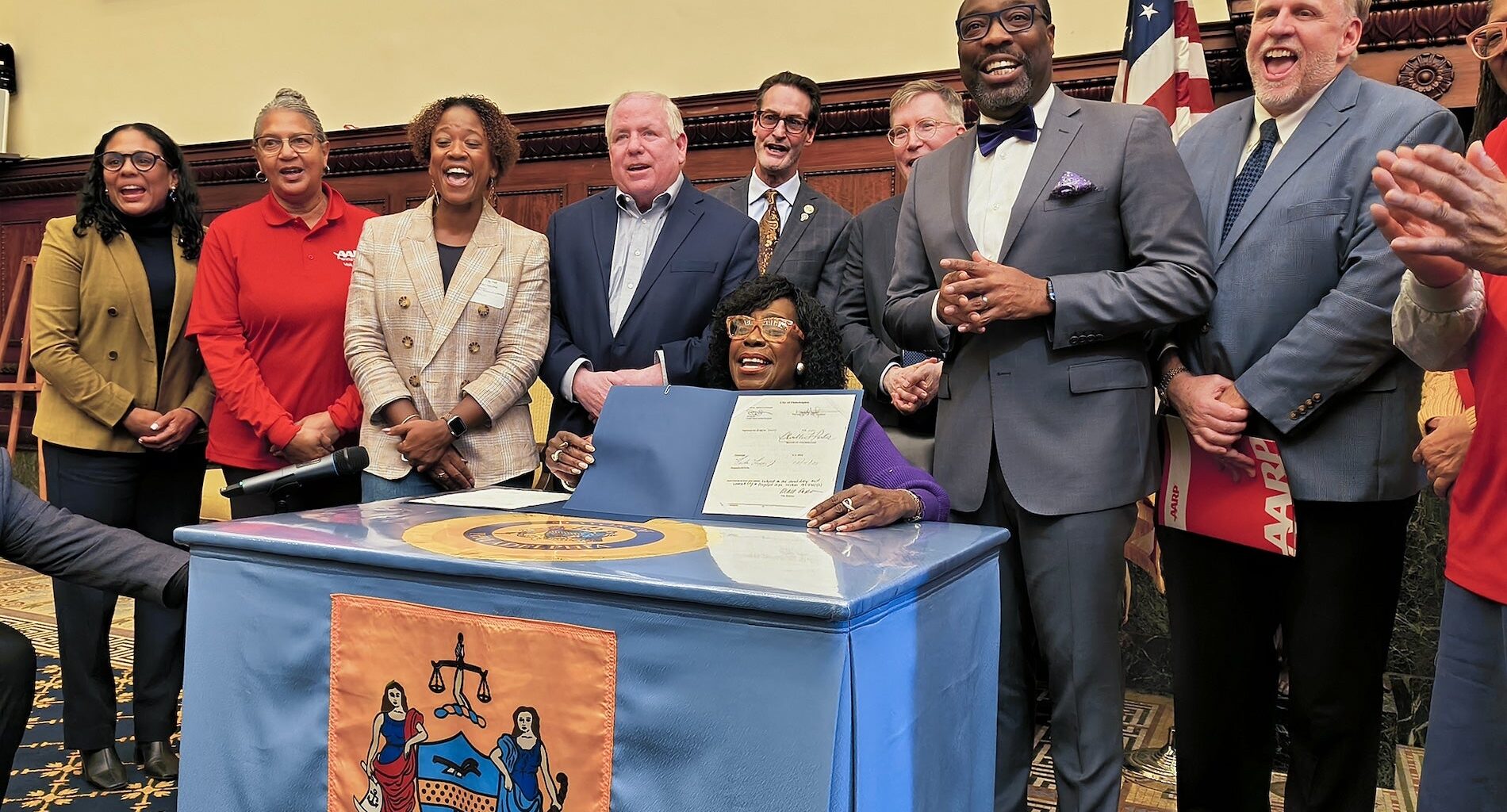
Mayor Cherelle Parker signed a bill Tuesday afternoon that would let voters decide on whether to approve the Philly Saves program, which is designed to automatically enroll workers who don’t have access to a retirement program into a city-sponsored IRA.
Voters will weigh in on the idea in May.
Under Philly Saves, workers would have 3–6% of their wages automatically deducted from their paychecks and put into either a traditional or Roth IRA. They would be allowed to opt out or change their contribution at any time.
The move was applauded by elected officials and others who say it’s a way to help move people into financial independence as they age, keep them in their homes and reduce the need for financial assistance programs.
“Philly Saves would benefit not just Philadelphia’s workers, but also its businesses and taxpayers,” said John Scott of the Pew Charitable Trusts. “Philly’s employers, especially small businesses, would at no cost to them be able to attract and retain workers by providing a retirement savings program. And taxpayers would also benefit because the more people save, the less likely they will need social assistance in the future.”
An August report from Pew’s Philadelphia Research and Policy team found that the median income for older households in Philadelphia is just over $39,000, but for older Black households, it’s even lower, at $30,931.
Scott said even though some people are able to make ends meet while they are working, when they retire, they need savings to supplement their Social Security income. Without the savings, people fall behind on things such as home repairs and medical bills.
“That’s the potential of Philly Saves,” Scott said of its potential to help workers at companies that do not offer retirement programs.
Tiffany Chavous, CEO of Somerset Academy, told the story of her workers who admit how difficult it can be to think about long-term planning when life is so full and savings isn’t a priority.
“Not because they lack discipline or drive, but because many working people today are navigating complex financial demands,” she said. “Saving for the future, while important, it may not always be a priority.”