
PITTSBURGH, Pa. – Pittsburgh’s water intake is running normally again after frigid temperatures caused the Allegheny River to freeze over on Tuesday.
The winter weather is beginning to wreak havoc for residents in the Northeast. On Tuesday morning, officials with Pittsburgh Water noticed ice forming in the river, blocking the city’s water intake into the treatment plant.
Snow, Sleet, Freezing Rain And Hail: What’s The Difference?
According to officials at Pittsburgh Water, the ice blockage restricted capacity and prevented normal pumping operations within the city’s service area, especially in high-elevation neighborhoods.
These types of treatment plants are used to clean water of harmful germs and chemicals from rivers, lakes or reservoirs for drinking water.
“Cold temperatures led to ice obstructing our water intake along the Allegheny River,” a statement from Pittsburgh Water reads. “The obstruction reduced the volume of treated water produced at our water treatment plant.”
This is a common occurrence for this time of year in the Allegheny River, but typically, when there is a blockage, officials will temporarily turn off pumping and allow ice to flow through.
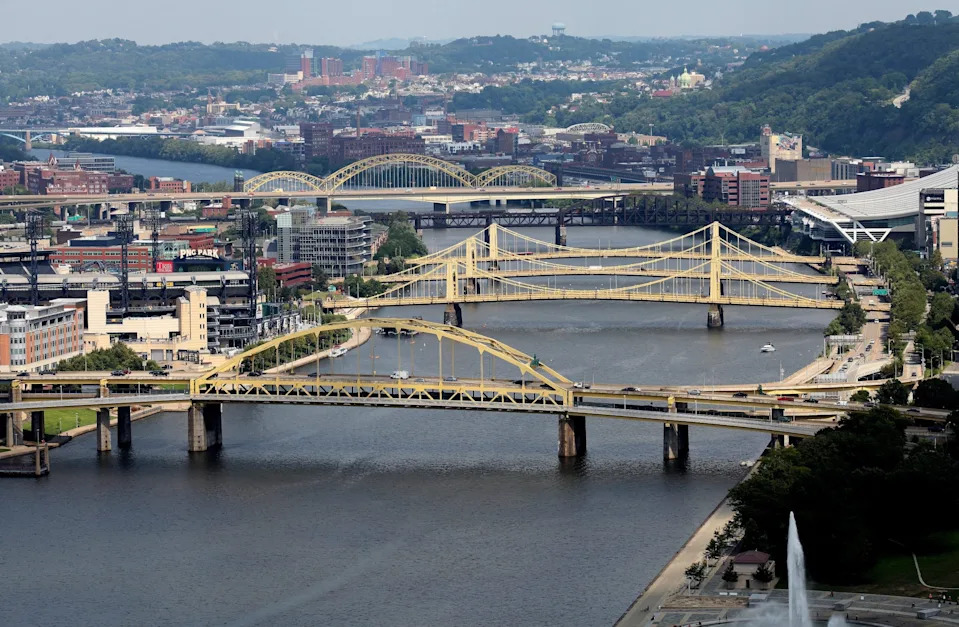
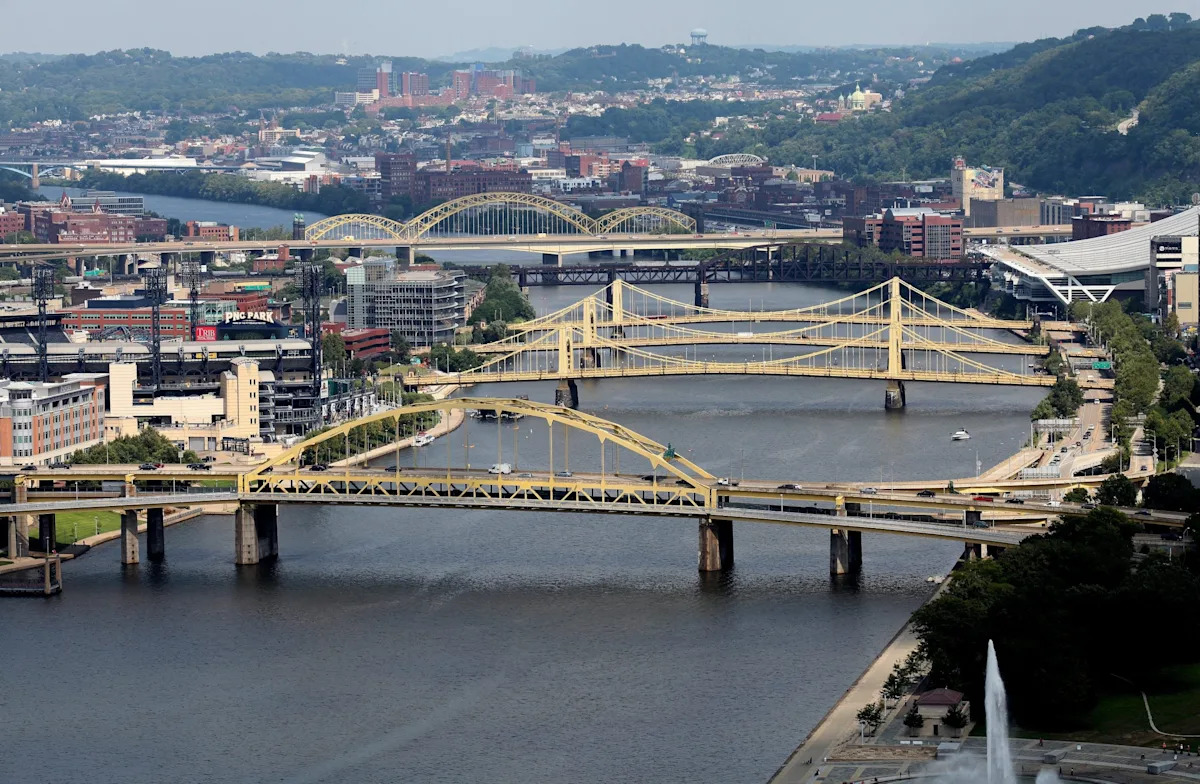
PITTSBURGH – AUGUST 25: View of Fort Duquesne Bridge, Roberto Clemente Bridge, Andy Warhol Bridge, Rachel Carson Bridge and 16th Street Bridge over the Allegheny River as photographed from Mount Washington in Pittsburgh, Pennsylvania on August 25, 2016.
(Getty Images)
After about 45 minutes of initial treatment, emergency responders were able to clear some ice formation at the water intake. A barge and tugboat quickly responded and were used to support the ice-breaking efforts.
“Pittsburgh Water is using several different tactics to mitigate this situation, including manually breaking the ice from above, hosing to keep ice away from the intake, and mechanical efforts from a barge to break up ice and debris,” a statement from Pittsburgh Water reads.
Eventually, the barge and tugboat arrived and were able to successfully break up the ice and debris that could be accessed. Since then, pumping capacity has returned to normal, and Pittsburgh Water will continue to monitor the situation while colder weather persists in the coming days.
Original article source: Frigid temperatures cause river in Pittsburgh to freeze, blocking the city’s water intake