
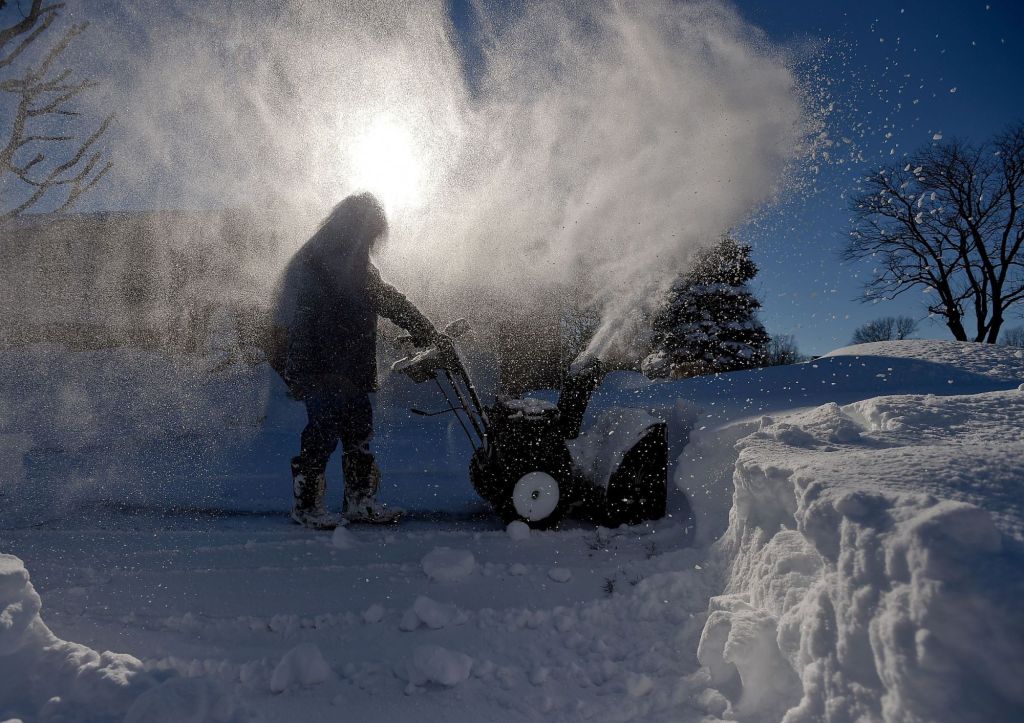
The forecast for this weekend in the southeastern Pennsylvania is still looking as if a significant storm is going to hit the area.
The National Weather Service in Mount Holly, N.J., has been monitoring a system that could hit the area late Saturday or early Sunday and bring several inches of snow into the area.
“Forecast models continue to trend farther north with the track of this low increasing the probability of the area seeing significant precipitation amounts,” the NWS forecaster discussion for the region stated Wednesday morning. “While the probability of at least moderate snow amounts is still high for much of the area, if this trend north continues any farther, southern parts of the County Warning area over portions of our Delmarva zones into southern NJ may even see a wintry mix at the height of the system late Sunday. Therefore it`s still uncertain where the heaviest snow amounts will fall.”
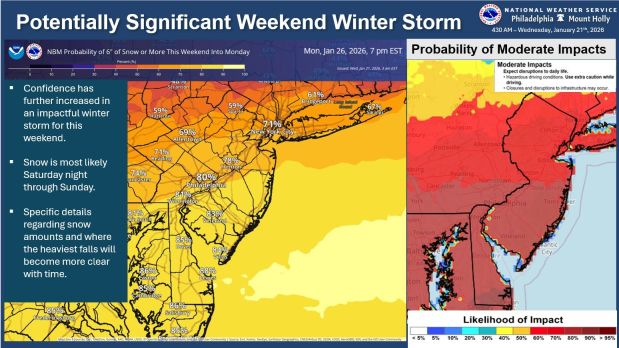 A graphic issued by the National Weather Service Wednesday morning, Jan. 21, 2026, shows the probability of southeastern Pennsylvania and New Jersey area receiving more than 6 inches of snow this weekend into Monday. (Courtesy of the National Weather Service)
Memories of 2016
The approaching storm is timed to nearly overlap the blockbuster snowfall of Jan. 22-23, 2016. Some outlets dubbed it Winter Storm Jonas, others called it a blizzard.
The snowfall 10 years ago resulted in days of closed businesses and cleanup work, with urban areas, as always, the most difficult spots to clear. There were numerous deaths across Pennsylvania attributed to the storm.
Official totals from the weather service for the area included 27.3 inches in Reading, 22.4 inches in Philly and 31.5 inches for Allentown.
For some in the region, the 2016 storm outperformed 1996 as the greatest of all time, such as in Allentown.
In the Reading area, it was the second heaviest snowfall to 1996, coming up several inches short of the big one 20 years earlier.
And, in other places, such as Philadelphia, it was further down the list.
The 22.4 inches is the fourth greatest snowfall of 140 years in the Philadelphia snow database.
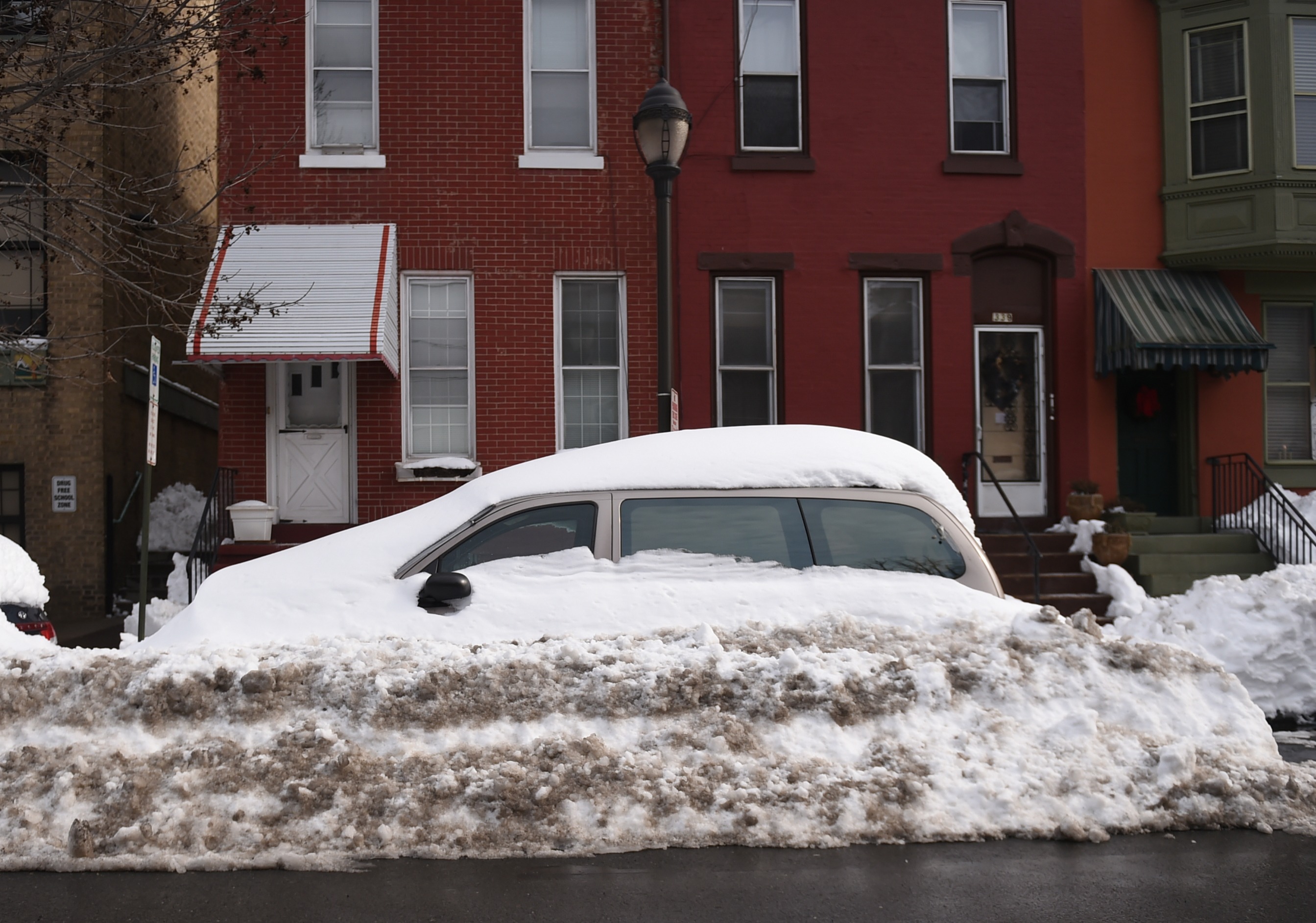
Plowed-in cars and excess snow remained a problem on South Fifth Street Jan. 26, 2016 in Reading after an epic snowstorm dumped two feet of snow on the area Jan. 22 and Jan. 23. (Reading Eagle file photo)
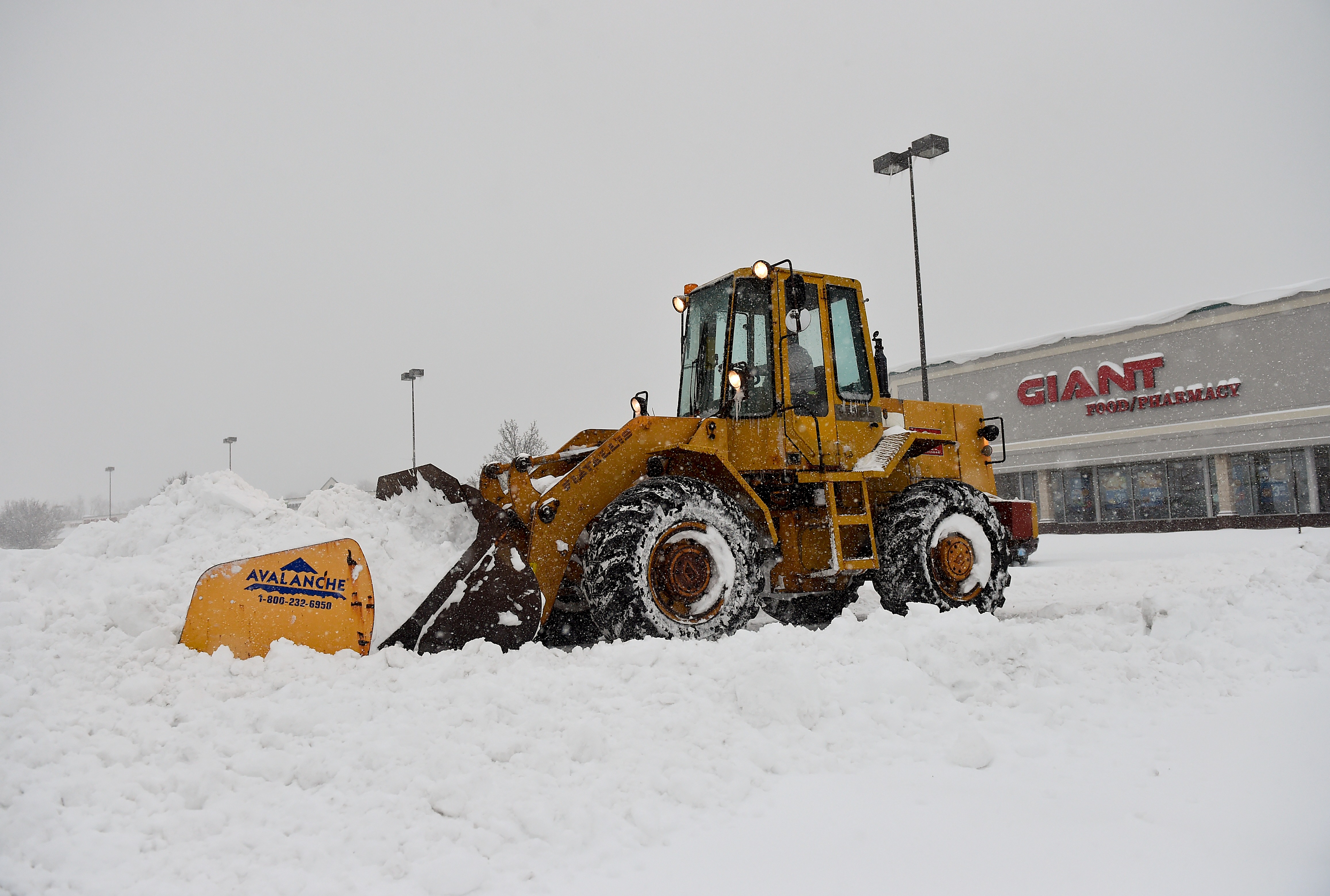
An excavator is used to clear Spring Towne Center in Spring Township Jan. 23, 2016 after a major snowstorm pummels Berks with over a foot and half of snow, starting late Friday night and continuing through Saturday. (Reading Eagle file photo)
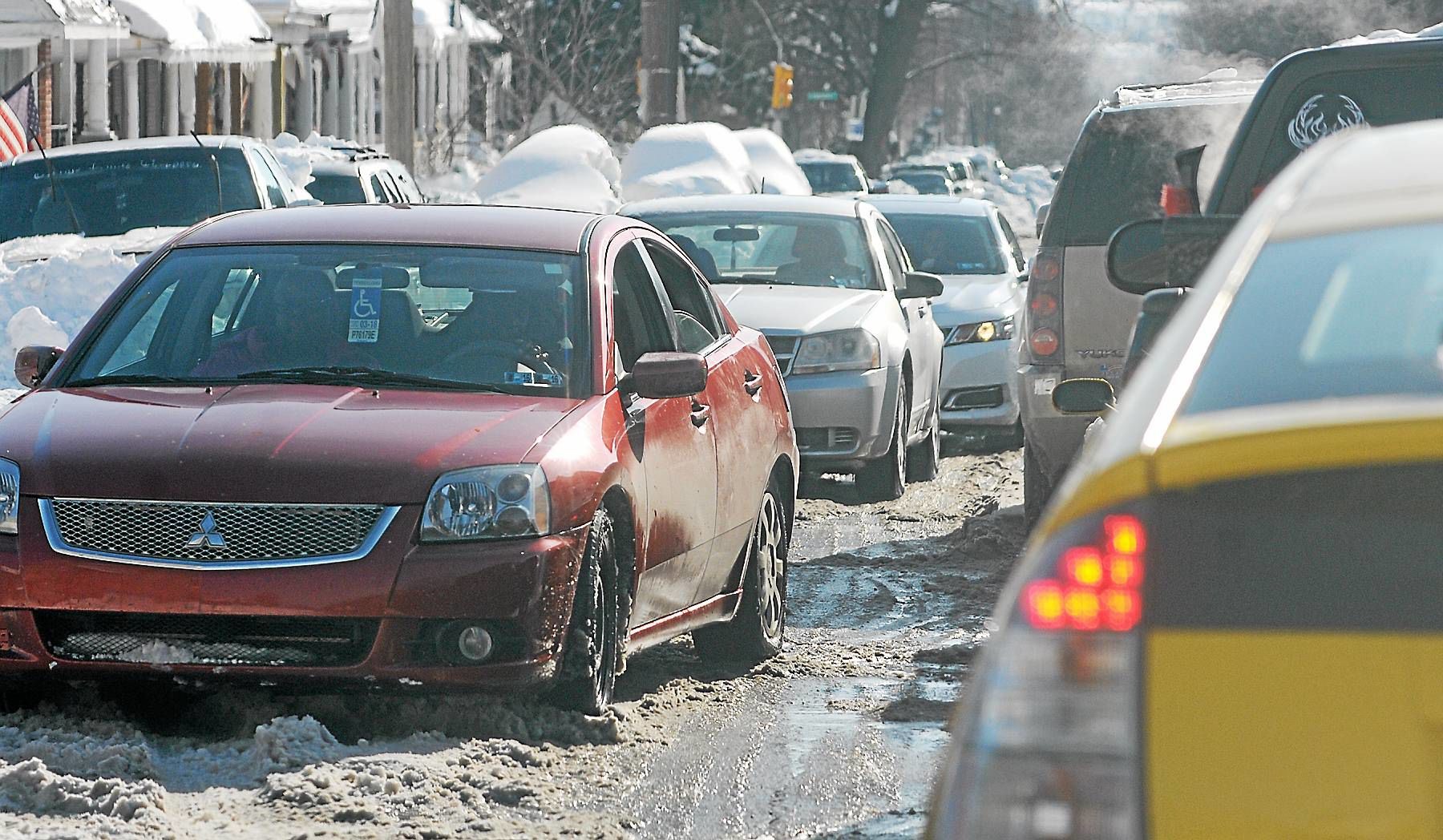
Drivers share a single lane along West Marshall Street in Norristown Monday, Jan. 25, 2016, after a blizzard dumped almost two feet of snow on the region. West Marshall Street, which is normally a two-lane roadway, was reduced to one plowed lane. (Times Herald file photo)
Show Caption
1 of 3
Plowed-in cars and excess snow remained a problem on South Fifth Street Jan. 26, 2016 in Reading after an epic snowstorm dumped two feet of snow on the area Jan. 22 and Jan. 23. (Reading Eagle file photo)
Expand
NWS forecast:
Thursday: Mostly sunny, with a high near 43. West wind 5 to 15 mph, with gusts as high as 30 mph, low around 23.
Friday: Partly sunny, with a high near 33. West wind 5 to 15 mph, with gusts as high as 25 mph, a low around 9.
Saturday: Partly sunny, with a high near 18. Snow likely, mainly after 1 a.m. Sunday Mostly cloudy, with a low around 10. Chance of precipitation is 60%.
Sunday: Snow. High near 18. Chance of precipitation is 80%, with a low around 11.
After that, expect an extended period of subfreezing days, with the mercury not making it to 32 degrees until the last day of the month.
What about pets?
The Humane World for Animals, formerly called the Humane Society of the United States, has tips for the frigid weather that’s coming.
“As temperatures drop dangerously low … having a plan in place to keep your animals warm can save their lives,” said Kitty Block, president and CEO of Humane World for Animals. “Make sure your pets have shelter from freezing temperatures, wind chill and ice, and be aware of hazards that can harm animals such as rock salt and antifreeze. Simple steps can make a lifesaving difference.”
• Keep pets sheltered
Keep your pets inside with you and your family. Under no circumstances should pet cats be left outdoors, even if they roam outside during other seasons. Dogs are happiest when taken out frequently for walks and exercise, but kept inside the rest of the time. Don’t leave pets outdoors when the temperature drops, particularly amid snow and ice.
If your dog is outdoors much of the day for any reason, they must be protected by a dry, draft-free shelter that is large enough to allow them to move comfortably, but small enough to hold in body heat. The floor should be raised a few inches from the ground and covered with cedar shavings or straw. The doorway should be covered with waterproof burlap or heavy plastic.
Pets who spend a lot of time outdoors need more food in the winter because keeping warm depletes energy.
• Bundle up, wipe down
No matter what the temperature is, wind chill can threaten a pet’s life. Exposed skin on noses, ears and paw pads are at risk for frostbite and hypothermia during extreme cold snaps. For this reason, short-haired dogs often feel more comfortable wearing a sweater, even during short walks.
Rock salt and other chemicals used to melt snow and ice can irritate the pads of your pet’s feet. Wipe all paws with a damp towel before your pet licks them and irritates their mouth.
• Remove common poisons
Antifreeze is a deadly poison, but it has a sweet taste that may attract animals and children. Wipe up any antifreeze spills immediately and keep it, like all household chemicals, out of reach. Coolants and antifreeze made with propylene glycol are less toxic to pets, wildlife and family.
Dogs are at particular risk of salt poisoning in winter due to the rock salt used in many areas, often when licking it from their paws after a walk. Store de-icing salt in a safe place and wipe your dog’s paws, even after short walks. If your dog ingests rock salt, call a veterinarian immediately.
• Protect outdoor animals
If there are outdoor cats, either owned pets or community cats in your area, remember that they need protection from the elements as well as food and water. It’s easy to give them a hand.
You can make your own cat shelter quickly and easily with a plastic tub.
Cars are one of many hazards to small animals: warm engines in parked cars attract cats and small wildlife, who may crawl up under the hood. To avoid injuring any hidden animals, bang on your car’s hood to scare them away before starting your engine.
• Speak out
If you encounter a pet left in the cold, politely let the owner know you’re concerned. Some people genuinely don’t know the risk that cold weather poses to their pets or farm animals and will be quick to correct any problems you address. If someone you raise these concerns with responds poorly or continues to neglect their animals, follow our steps on reporting winter neglect.