
By Jack Tomczuk
Mayor Cherelle Parker’s administration can move forward with borrowing $800 million to fund her Housing Opportunities Made Easy, or H.O.M.E., plan, after City Council approved an amended bond ordinance Thursday.
H.O.M.E., perhaps the mayor’s signature policy, aims to create or preserve 30,000 units of affordable housing over four years with investments in a wide range of benefits for homeowners, renters and builders.
Recently, the goal has increased to 50,000 homes, to account for a concurrent 20,000-unit effort led by the Philadelphia Housing Authority.
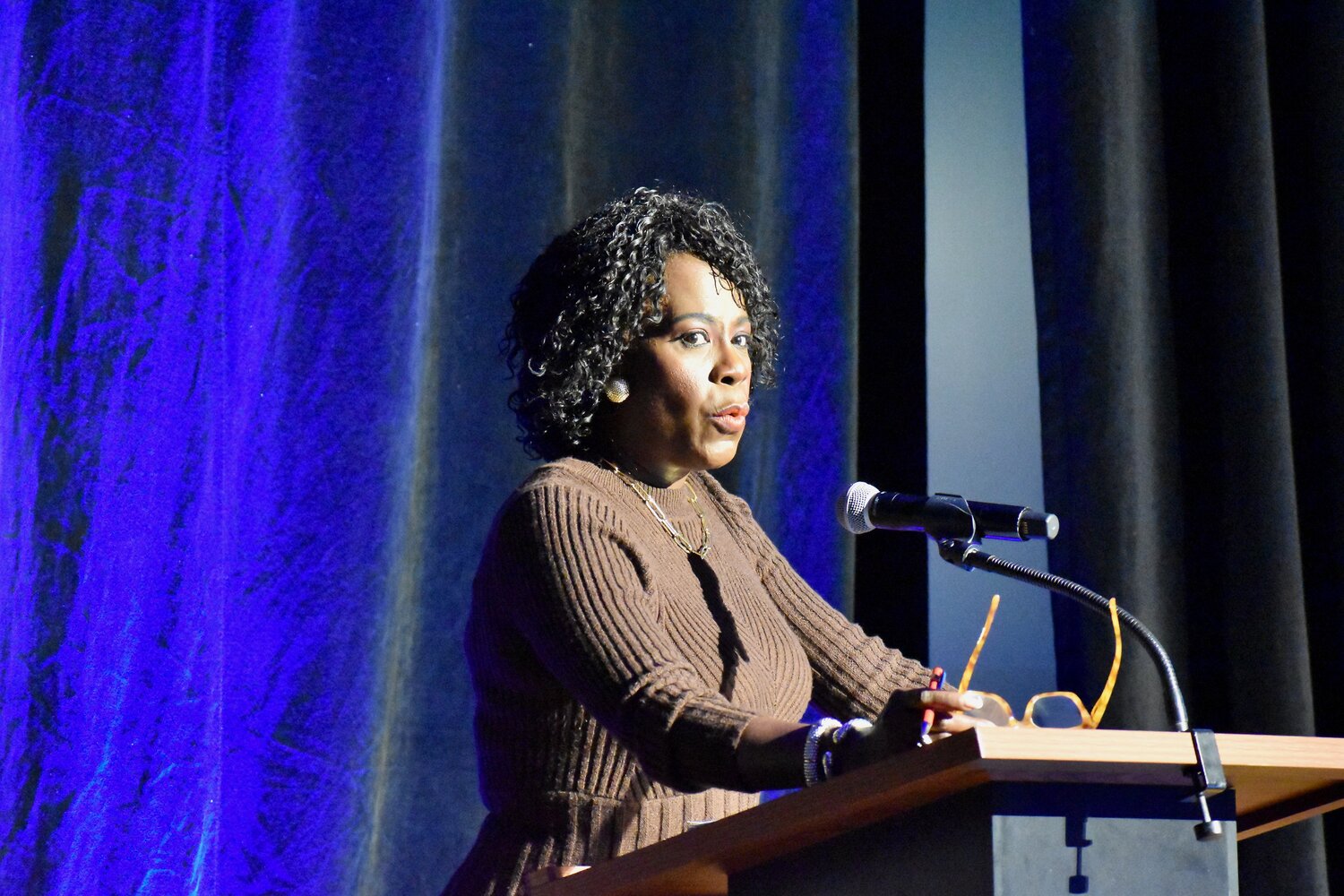
“Today is a good day, everybody,” Parker said at a celebratory bill signing event, a short time after Council’s vote.
Although three lawmakers opposed the updated bond ordinance when it advanced out of committee last month, the measure received unanimous support Thursday — a sign that the heated debate over income eligibility has cooled.
Parker’s team and a majority of Council members had been at odds over where to set limits for a pair of popular repair programs, Basic Systems Repair and Adaptive Modifications. Legislators wanted the bulk of the funding to go to those most in need, while administration officials pushed to open up eligibility to middle-income people with higher salaries.
The mayor’s team proposed raising the area median income needed to qualify for BSRP and Adaptive Modifications to 100% and 80%, respectively.
AMI, which is set at a regional level, is around $84,000 a year for an individual and just under $120,000 for a family of four, far above average household earnings in Philadelphia due to the inclusion of wealthier suburban counties.
The updated bond bill gives Council authority over AMI eligibility, and the $277 million budget for H.O.M.E.’s first year, passed on Dec. 11, requires that at least 90% of the money for BSRP and Adaptive Modifications goes to those earning no more than 60% AMI, the current limit.
“We will agree to disagree when we’re working to get things done,” Parker said. “I, as mayor, cannot be successful, my administration cannot be successful, none of our goals and objectives can get implemented and operationalized without legislative leadership.”
“This is just the beginning,” Council President Kenyatta Johnson added. “Today is a win-win for the city of Philadelphia.”
Parker and her top housing officials indicated that, with the legislation in place, the focus will not turn to rolling out and marketing H.O.M.E. Tiffany Thurman, the mayor’s chief of staff, said information will begin being distributed at the administration’s 10 Neighborhood Community Action Centers.
“We are hitting the ground running,” Thurman remarked.
The bill signing capped a week of H.O.M.E.-related announcements.
On Jan. 20, the Parker administration announced that PHA is preparing for a rehabilitation of the Brith Sholom House, a low-income senior housing development in Wynnewood Heights, thanks to a $50 million loan from the Philadelphia Building and Construction Trades Council’s pension fund.
A day later, the Mayor’s Office published a request to solicit information about the construction of factories to build modular homes.
Keywords
H.O.M.E. plan,
Affordable housing,
Mayor Cherelle Parker,
Housing Opportunities