
By Kevin Kane
Commonwealth Foundation
Every year Pennsylvanians hear the same warning from lawmakers in Harrisburg: “The state doesn’t have enough money.” And every year, they’re wrong.
Pennsylvania doesn’t have a revenue problem. We have a spending problem. And Gov. Josh Shapiro is only making things worse.
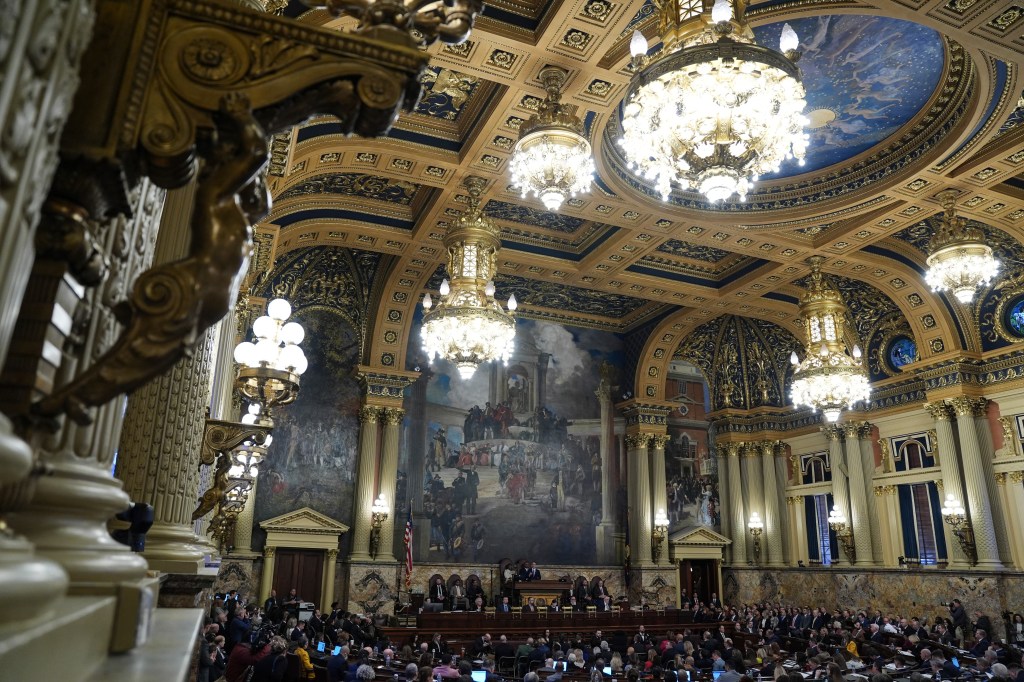
During the governor’s budget address in February, Pennsylvanians can expect the same spiel. Shapiro will claim the state’s business climate is improving and that he’s getting stuff done. You can also expect the governor to pitch several new programs and call for even more money for existing ones. He will go on to argue that his spending wish list is “essential” and “responsible.”
One thing that won’t be there is common sense. What’s missing is an honest discussion about how fast state government has grown or whether we can afford it without raising taxes.
Shapiro claimed Pennsylvania is on the rise. If the governor were talking about deficit spending, he would be correct: State spending has increased by 64% since 2015. While families struggle with high grocery bills, rising energy costs and unaffordable housing prices, Shapiro advocates for massive spending increases that will inevitably lead to tax hikes.
Much of the recent revenue growth Shapiro and legislative Democrats conveniently took advantage of came from temporary funding sources. Federal pandemic-era money flooded state coffers, and the Biden administration’s record-high inflation boosted tax collections.
Harrisburg has continued to spend more money than the state is taking in, worsening the deficit and putting taxpayers at risk. Now, the “free money” is gone, but the spending remains. Even worse, as Shapiro continues to eye higher office, he is setting up the average Pennsylvanian to be left holding the bag.
It’s not a new story. We’ve seen this disaster play out in other high-spend states such as California and New York. When government grows faster than the economy, taxpayers eventually pay the bill. Blaming this solely on revenue is just a way to avoid taking responsibility for bad budgeting decisions.
The state’s economy continues to lag and lose its competitive edge. Job growth has been uneven. Businesses routinely choose to relocate to Ohio or other tax-friendly states. Outmigration, especially by young people, remains a big problem. And wages haven’t risen fast enough to offset the cost of living.
When you budget for your family, you don’t get to assume next year will magically be better and just spend however you want. You make smart, pragmatic decisions and spend accordingly. It’s time for Harrisburg to do the same.
Instead, Shapiro and his legislative allies foolishly believe spending more is always the answer. If there’s a problem, create a new line item to deal with it. If a current program isn’t working, throw more money into it. If costs rise, spend even more on entitlements. If revenues are tight, force taxpayers to pay the difference.
This isn’t leadership or responsible government; it’s denial.
Pennsylvanians see through it. Polling has shown state leaders should prioritize cutting waste and passing responsible budgets, not expanding government and allowing spending to get out of hand. People understand what Harrisburg always seems to forget: You can’t spend money you don’t have.
So, what should change?
First, state spending needs limits. Government shouldn’t grow faster than key economic indicators. Commonsense spending limits, such as the Taxpayer Protection Act, would tie budget growth to inflation and population changes. It’s basic budget discipline and overwhelmingly popular with voters.
Second, if leaders genuinely care about Pennsylvania’s future, they should focus on growing the private sector, not state government. Pennsylvania routinely ranks in the middle of the road in tax competitiveness and is one of the most regulated states.
Lowering taxes for individuals and businesses and slashing our overly burdensome regulatory environment would allow commerce to flourish. A better climate for businesses and workers creates lasting growth.
And we need to get real about our state’s welfare spending. It makes up about one-third of our state’s $50 billion budget and has dramatically grown in recent years. Between 2018 and 2025, the budget for the Department of Human Services — responsible for managing Medicaid, SNAP, and other social service programs — grew by 58%.
On the heels of massive welfare fraud schemes coming to light across the country, we owe it to taxpayers and program beneficiaries to ensure our human services support goes to those most in need.
The governor’s budget address will sound aspirational and include some big promises. But unless Shapiro acknowledges the root problem, he will repeat the same mistakes — and drag taxpayers along for this costly ride.
Pennsylvania’s budget challenge isn’t complicated: It isn’t about revenue; it’s the spending, stupid. And until Harrisburg gets that message, taxpayers will keep propping up a broken government that refuses to live within its means.
Kevin Kane is the Director of Legislative Strategy for the Commonwealth Foundation, Pennsylvania’s free-market think tank.