
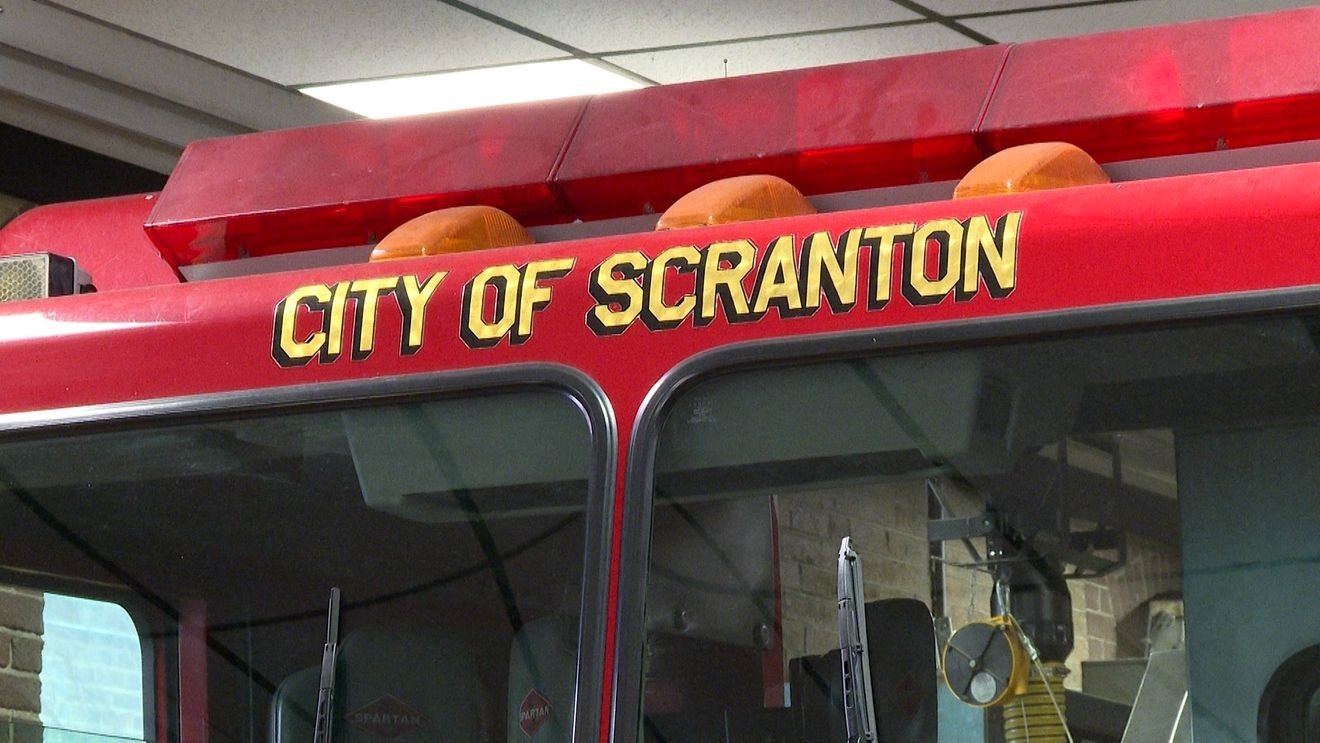
SCRANTON, LACKAWANNA CO. (WOLF) — As a bitter cold front settles in, bringing single-digit temperatures, many people are cranking up the heat to stay warm. But experts warn that added strain on heating systems and unsafe heating practices, can increase the risk of fires and other emergencies. Local fire officials and heating experts share how to stay warm, stay safe, and avoid costly repairs.
With temperatures hovering in the single digits, furnaces across Northeastern Pennsylvania are working overtime, and so are emergency responders.
The Scranton Fire Department says winter is the peak season for heating-related fires, often caused by unsafe alternatives.
“People tend to get creative with the heating of their homes. If you are going to use space heaters, we want to keep them three feet away from combustibles. We want to plug only one into an outlet. We don’t want to use extension cords. These things contribute to fire starting,” said fire-prevention officer Dan Frantz.
Frantz says December, January, and February are the most common months for heating-related fire calls.
Beyond fire risks, emergency management officials say extreme cold can quickly become life-threatening.
“The biggest part of preparedness is awareness. That can take form of just being aware of winter weather advisories, what the forecasts are, is they’re going to be cold weather coming in, snowfall? The biggest hazard when we are looking at cold weather is frostbite and hypothermia,” said Ryan Monroe, emergency management specialist for the City of Scranton Fire Department.
Monroe says being prepared at home and in your car is critical, especially during power outages.
“Whether it’s in your house, if you lose power and you don’t have alternative heating, or if it’s in your car, if you get trapped in cold weather, it’s important to have warm jackets, warm pants, extra change of clothes and socks, especially if they get wet. Water and cotton clothing is going to be the biggest hazard when it comes to wicking away body heat,” said Monroe.
Heating experts say extreme cold forces furnaces to work harder, leading to breakdowns and a spike in service calls.
“When the temperatures get as low as they are now, you’ll have a frost build up on the intake, which starts to restrict the flow of the air going through the combustion side of the system, causing problems that will stop the unit from working and then you have to call a service technician,” said Eric Marchinton, project manager at Scranton Electric Heating and Cooling.
Marchington also stresses the importance of carbon monoxide safety.
“For safety purposes, realize that these do produce CO and move that gas outside. So, if there’s any leaks or any kind of significant damage to your vent line going outside, if it happens inside the house, there’s no way that you’re going to know that until it’s too late,” said Marchington.
Experts say simple steps like checking air filters and keeping systems maintained can help prevent costly repairs. A new system could cost anywhere between $5,000 to $10,000.