
ALLENTOWN, Pa. – It’s the longest standing mystery at the Lehigh County Coroner’s Office.
“This one has just been a tough one,” said Lehigh County Coroner Dan Buglio.
A large box of bones have been in the evidence storage room for nearly 35 years.
April 29th, 1991.
Hikers discover the remains of a man scattered along a wooded hillside area in Allentown.
“It was estimated that he was in that area for about a year based on his decomposition,” said Lehigh County Deputy Chief Coroner Rick Pender.
A forensic examination revealed John Doe was an African American man between 25 to 35 years of age standing at least 5-feet, 9-inches tall.
He may have had a head injury.
“Due to the condition of the remains the cause of death was listed as undetermined, but unnatural,” said Former Lehigh County Coroner Scott Grim during a news conference in 2018.
There was no ID on the body, and he could not be identified with dental records or fingerprints.
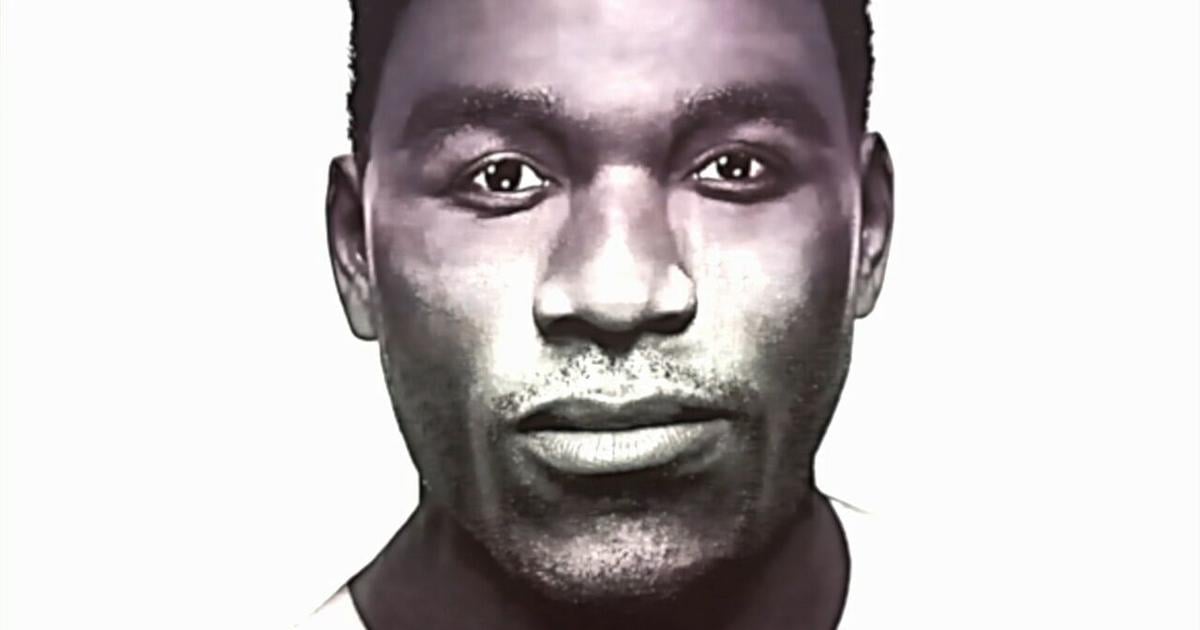
“We did some facial reconstruction with some federal agencies. They put together kind of a mold and some photographs and pictures,” said Buglio.
A composite picture appeared in the newspaper and on TV.
Investigators got several tips but none of them panned out.
Over the years, John Doe’s case has been re-evaluated several times.
In 2018, an updated forensic composite was created and DNA was extracted for possible identification.
After a DNA profile was created, it was sent to forensic genealogist Jennifer Moore with Innovative forensic Investigations in Virginia to try to uncover John Does identity through genealogy records.
Although Moore is an expert who’s often used to solve cold cases for law enforcement, she says sometimes she comes across a case that’s unsolvable.
In John Does’ case, Moore has traced his family tree to a fourth cousin.
“Some people are cooperative and once they hear the story are willing to say oh yeah you know I’ll submit my DNA. Some people just don’t want to be bothered they slammed the door in the detective or the investigators face so then that’s another setback,” said Buglio.
Despite the setbacks, Moore continues her work.
“If we take a case, that we say it is, it might take a long time but we don’t give up on them,” said Moore.
And neither will Buglio and his team.
“There is somebody’s loved one in that box,” said Buglio.
Because they know even two steps forward and one step back is still progress.
The saddest part about this story is that these aren’t the last unclaimed souls at the corner’s office.
The process of caring for the county’s unclaimed souls begins again.