

Home » Latest Travel News » Texas Joins Pennsylvania, California, Tennessee, Florida, New York and Others in Skyrocketing US Domestic Tourism as a Top Tourist Magnet By Offering Exclusive Perks For Citizen This Year,: Everything You Need To Know
Published on
January 27, 2026

In 2025, Texas has firmly joined Pennsylvania, California, Tennessee, Florida, New York and others in skyrocketing U.S. domestic tourism, emerging as a top tourist magnet by offering exclusive perks for citizens this year. As international travel costs rise and new dual-pricing policies take effect nationwide, American travelers are increasingly choosing destinations that reward domestic visitors with tangible value. Texas and its peer states have capitalized on this shift by rolling out citizen-focused incentives—from discounted park access and resident-style attraction passes to priority bookings and waived fees—that make traveling within the U.S. more affordable, predictable, and rewarding. These policies are not symbolic; they directly influence travel behavior, driving higher visitation, longer stays, and repeat trips. The result is a powerful resurgence of domestic tourism led by states that actively prioritize U.S. residents. This article breaks down everything you need to know about how Texas and other leading states are using exclusive citizen perks to dominate the domestic travel landscape, why this strategy is working in 2025, and how it is reshaping where—and how—Americans choose to travel.
Texas: Pass-Based Access Rewards Domestic Exploration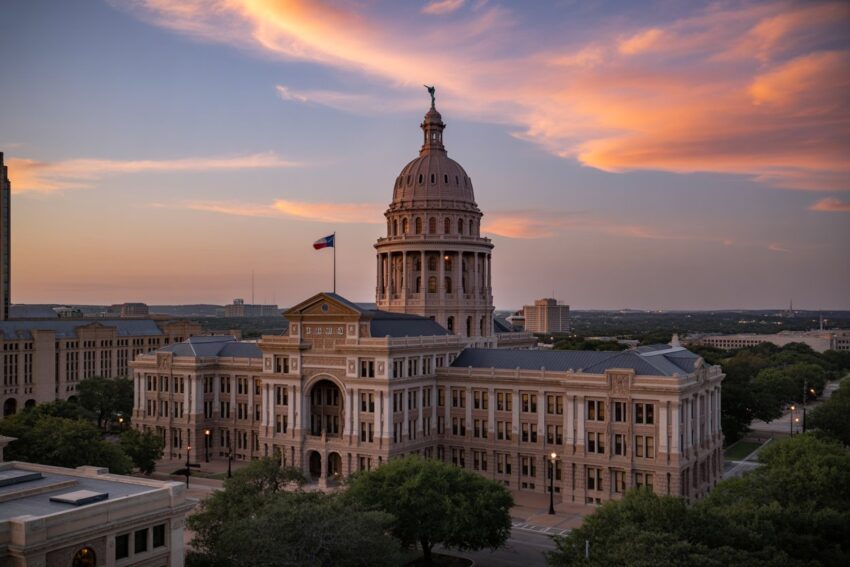
Texas has emerged as a national model for domestic-first tourism amenities by emphasizing annual passes and cultural access. The Texas State Park Pass, priced at $70, grants domestic travelers unlimited access to 89 state parks, while international visitors often pay per-person surcharges at high-traffic destinations like Enchanted Rock. Urban centers such as Austin and Houston supplement this system with museum passport programs offering buy-one-get-one entry to domestic travelers, while international visitors pay flat foreign-national rates. Even major attractions like Space Center Houston extend free parking—valued at $10—to domestic science-center members through the ASTC Travel Passport. Texas’ approach lowers marginal travel costs for Americans and encourages repeat visits across its vast geography.
CategoryDomestic Traveler (US)International VisitorState Park Pass$70 (annual, unlimited)Per-site surchargesMuseum AccessBOGO entryFlat foreign rateSpace Center ParkingFree (ASTC members)$10Cultural BundlesPassport discountsLimited accessCalifornia: Residency-Based Bundles Power Domestic Travel Value
In 2026, California has refined its domestic tourism strategy around residency-based incentives and bundled value. Following the federal policy shift toward dual pricing, California focused on rewarding U.S. travelers—particularly those from the Western states—by reducing friction and increasing affordability. Domestic travelers benefit most through state-backed portals and regional discounts that soften the high cost traditionally associated with California travel. National parks remain a centerpiece, with U.S. residents paying the standard $80 annual “America the Beautiful” pass, while international visitors now face a sharply higher $250 fee. Theme parks lean heavily into residency perks, with Disneyland and LEGOLAND offering Southern California resident tickets that can cut costs by up to 35% during off-peak months. Coastal hotels also participate, frequently waiving resort fees—often $40–$60 per night—for domestic travelers booking through VisitCalifornia-linked platforms. These policies collectively reinforce California’s position as a premium destination that still prioritizes domestic accessibility.CategoryDomestic Traveler (US)International VisitorNational Park Annual Pass$80$250Theme Park TicketsUp to 35% off (Resident deals)Standard / Peak pricingResort FeesOften waived via state portals$40–$60 per nightRegional Travel DealsWestern U.S. bundlesNot eligible
Florida: The Benchmark for Resident-First Tourism Pricing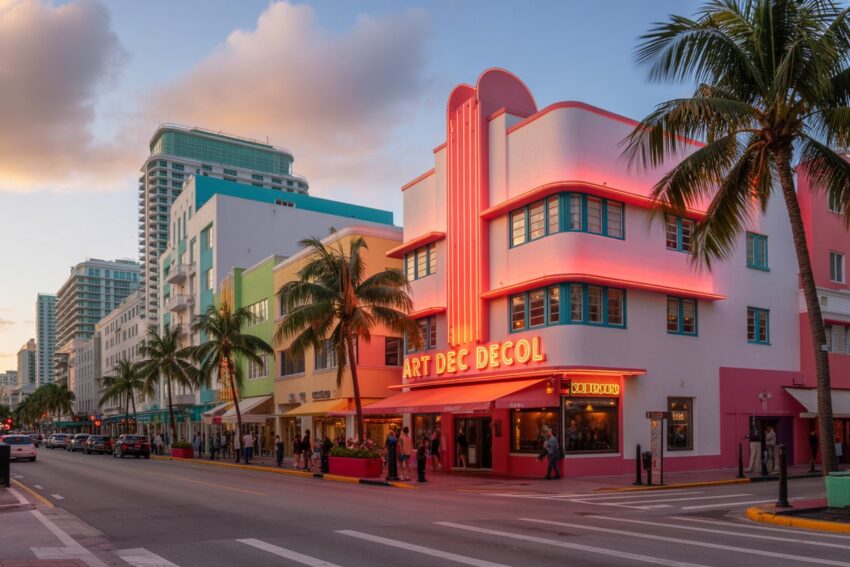
Florida continues to lead the nation in resident-focused tourism pricing, extending many of those benefits to domestic travelers nationwide. In 2026, Florida reinforced its dual pricing system by preserving affordability for U.S. travelers while increasing costs for international visitors. Major attractions such as Disney World and SeaWorld maintain exclusive “Discover Disney” pricing for Florida residents, while domestic non-residents still receive access to multi-day ticket discounts that undercut international walk-up rates. Florida State Parks doubled entrance fees for international visitors, while keeping the $60 annual pass unchanged for domestic users. Transportation incentives further widen the gap: the SunPass system offers toll rebates to domestic travelers—particularly road-trippers—while rental vehicles with international licenses are excluded. Florida’s model prioritizes volume and repeat visitation from within the U.S., reinforcing its status as the country’s most reliable leisure hub.
CategoryDomestic Traveler (US)International VisitorState Park Annual Pass$60Doubled entry feesTheme Park AccessMulti-day discountsHigher single-day ratesToll RebatesEligible via SunPassNot eligibleAttraction BundlesResident-lite pricingStandard pricingNew York: Urban Passes and Resident Privileges Shape Access
In New York, dual pricing is implemented through city-specific passes and residency-based privileges rather than overt entry fees. Institutions like the American Museum of Natural History retain “Pay-What-You-Wish” admission for residents of NY, NJ, and CT, while international visitors face fixed pricing. Domestic travelers benefit heavily from the New York CityPASS, which offers up to 40% savings on marquee attractions. Public transit also plays a role: OMNY fare-capping rewards domestic travelers who can easily link U.S. digital wallets, a feature less accessible to foreign cardholders. New York’s system subtly but effectively favors domestic mobility.CategoryDomestic Traveler (US)International VisitorMuseum AdmissionPay-What-You-Wish (residents)Fixed rateCity AttractionsCityPASS (up to 40% off)Limited savingsPublic TransitFare cappingHarder to accessTimed EntryResident priorityStandard access
Tennessee: Zero-Fee Parks with Domestic Priority Aistccess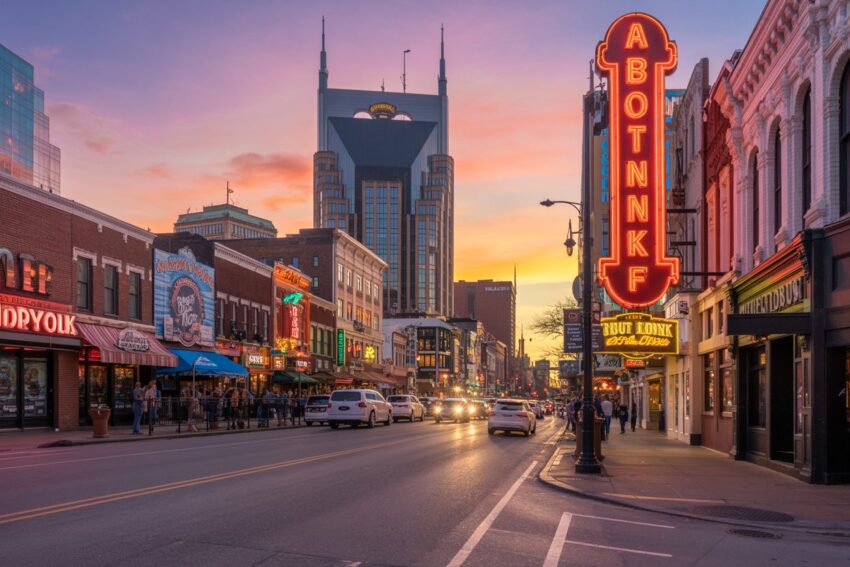
Tennessee continues to differentiate itself through one of the most domestic-friendly systems in the country. All Tennessee state parks maintain $0 entrance fees, but domestic travelers receive priority booking for campsites and cabins via the TN State Parks app. In Nashville, the “Total Access Pass” allows domestic travelers to choose six attractions for about $100, including steep discounts at the Country Music Hall of Fame. At the Great Smoky Mountains National Park, a low-cost $5 per-day parking tag applies to domestic travelers, while international tour buses now face an added surcharge. Tennessee’s model preserves openness while quietly favoring U.S. travelers through access and timing advantages.
Advertisement
Advertisement
CategoryDomestic Traveler (US)International VisitorState Park Entry$0$0Campsite BookingPriority accessSecondary accessNashville Attractions$100 Total Access PassStandard pricingNational Park Parking$5/daySurcharge for tour busesPennsylvania: Road-Trip Incentives Drive Domestic Volume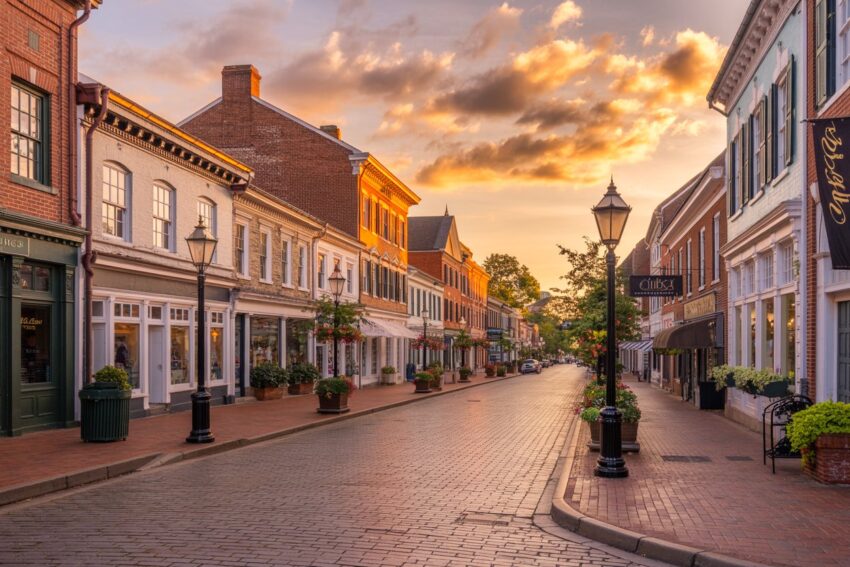
Pennsylvania focuses its dual pricing on convenience and priority access for domestic travelers, particularly regional road-trippers. Pennsylvania Turnpike service plazas offer loyalty programs, local food markets, and cultural exhibits designed specifically for U.S. drivers. Attractions such as Hersheypark provide “Preview Night” access for domestic ticket holders, allowing free entry the evening before a scheduled visit. At historical landmarks like Independence Hall and the Liberty Bell, most amenities remain free, but timed-entry priority is reserved for visitors with U.S. ZIP codes. These benefits make Pennsylvania one of the most accessible and budget-friendly domestic tourism hubs.CategoryDomestic Traveler (US)International VisitorTurnpike AmenitiesLoyalty perksStandard accessAmusement ParksFree preview hoursNot eligibleHistoric SitesPriority timed entryLimited slotsEntry FeesMostly freeStandard processing
US Tourism: A Resilient Engine of Domestic Travel and Economic Growth
U.S. tourism remains one of the strongest and most resilient sectors of the United States economy, powered primarily by domestic travelers. As international travel becomes more expensive and complex, Americans are increasingly choosing to explore destinations closer to home, fueling sustained growth across states and cities. From national parks and cultural hubs to beaches, music cities, and road-trip corridors, the U.S. offers unmatched geographic and experiential diversity. Domestic tourism now accounts for the majority of travel spending, supporting millions of jobs and generating hundreds of billions of dollars in economic activity annually. States have responded by investing in infrastructure, expanding resident-focused incentives, and promoting year-round experiences that encourage repeat visits. The rise of value-driven travel, shorter stays, and experience-first tourism has reshaped how Americans move within the country. Even during periods of uncertainty, U.S. tourism continues to adapt, proving that domestic travel remains a reliable driver of economic stability and cultural exchange.
Texas joins Pennsylvania, California, Tennessee, Florida, New York and others in skyrocketing US domestic tourism as a top tourist magnet by offering exclusive perks for citizen this year—explaining everything you need to know behind the surge.
Conclusion
In the end, the surge makes sense. Texas has joined Pennsylvania, California, Tennessee, Florida, New York and others in skyrocketing U.S. domestic tourism by positioning itself as a top tourist magnet through a strategy that directly rewards Americans at home. By offering exclusive perks for citizens this year—from discounted park access and resident-style attraction passes to priority bookings and fee waivers—these states have reshaped travel behavior in their favor. As international travel becomes more expensive and complex, U.S. travelers are choosing destinations that provide clear value, convenience, and recognition of domestic status. The result is a powerful shift inward, where states that actively invest in citizen-focused benefits capture higher visitation, longer stays, and repeat travel. Taken together, this explains everything you need to know about why Texas and its peer states are leading the domestic tourism boom: rewarding citizens is no longer a side benefit—it is the strategy driving growth.
