
Bitter cold weather swept into the Lehigh Valley this week, increasing the risk of cold-related health conditions.
At least one person has already died, a 93-year-old woman found outside her Lower Macungie Township home during a cold spell last week. She died of hypothermia, complicated by existing health conditions, the Lehigh County coroner said.
Subzero temperatures are expected through Monday, with wind chills in the negative digits, forecasters said. It’s one of the most prolonged cold spell in years.
The wintry weather brings risks, most significantly hypothermia and frostbite.
Dr. Andrew Miller, chief division of pediatric emergency medicine at Lehigh Valley Reilly Children’s Hospital, said the hospital hasn’t seen many cases of frostbite or hypothermia this year, but he expects that could change this week if people aren’t careful.
Hypothermia occurs when a body’s temperature falls below 95 degrees, and the body becomes unable to produce heat faster than it loses it. It can be fatal. Both low temperatures and high wind chill can cause hypothermia.
An early sign of hypothermia is uncontrolled shivering. Shivering is an automatic process used by the body to keep its temperature. But it can go overboard when dealing with hypothermia. From there, hypothermia and hyperthermia — the hot weather counterpart — can manifest similarly with slurred speech; mumbling; slow, shallow breathing; weak pulse; lack of coordination; drowsiness; altered mental status; and loss of consciousness. Infants may display bright red, cold skin when hypothermic.
“Neurologically, they’re altered. They’re not acting right. They can kind of … mimic a stroke,” Miller said.
Frostbite occurs when the skin freezes due to prolonged contact with the cold. The early stages of frostbite are called frostnip, which usually involves hands feeling cold, sore and painful, and skin turning red, purple or lighter than usual skin tone. This is the point where damage is reversible, and anyone feeling any of these symptoms should rush indoors or to a heated environment. However, Miller said, while warming up is important, it’s also important not to do so too quickly. Even at this stage, visiting medical professionals may be advisable, he said.
From there, actual ice crystals can start forming in the superficial layers of the skin; this can lead to a pins-and-needles sensation. If the frostbite stops here, the damage still can be reversible. However, this is also the point where effects can go beyond just a few hours. After rewarming, there may be painful, bruise-like patches of purple or blue on the skin. The skin may also start to peel like a sunburn, or fluid-filled blisters may form.
Total numbness accompanies deep frostbite, the point where crystals have started forming in deep skin tissue. Miller said this is the scariest moment, because people may not notice how bad the situation has become. Irreversible tissue damage is possible and skin may darken, and fingers and toes may become difficult to move or may not move at all. Wound care and burn care often are necessary and in some extreme cases, amputation is needed.
“You want to seek medical attention basically if you have pain, burning, numbness, loss of sensation, any stiffness, especially at the joints,” Miller said.
Frostbite is most common on the hands, fingers, feet, toes, face, nose and ears. And if it’s cold enough, it doesn’t take long to develop. Below minus 15 degrees, frostbite can develop in less than 30 minutes.
Babies, children, the elderly and people with poor circulation, such as those with certain conditions or who smoke, are most at risk.
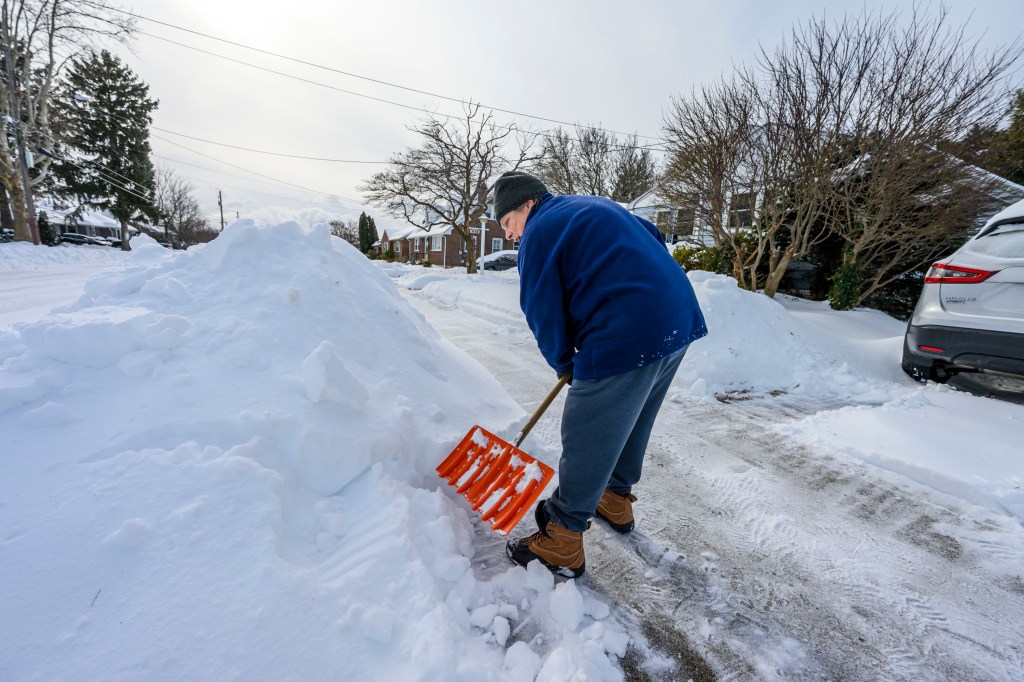
Naturally, dressing warmly and not spending too much time outside are ideal ways to stave off hypothermia and frostbite. Miller said rather than spending hours outside, take regular breaks inside. Both hypothermia and frostbite can result from wearing damp or water-soaked clothes when cold, so wearing waterproof or water-resistant clothes is a must when dealing with snow. Miller said he’s seen young people develop frostbite because they were shoveling snow for hours while wearing tennis shoes instead of boots.
Miller added that parents should also keep watch on their children. Babies cannot shiver and are even more prone to hypothermia than older children and adults. And young children may not have the words or understanding to comprehend and communicate that they may be experiencing frostbite, especially if they are absorbed in sledding or other play.
Miller said a few other conditions not necessarily caused by the cold itself also tend to happen during winter months.
He said individuals with coronary artery disease may overwork themselves shoveling snow, which can cause heart attack and other cardiac incidents. Another danger is slips and falls on ice and snow, which most commonly cause back, wrist or ankle injuries.
Being aware that you can slip and fall or that you may not be in the best shape and paying attention can go a long way, along with preparing for the cold, Miller said.
“I was working on Monday and I had the two kids that were shoveling and then one hit the other kid with the the shovel. So of course, these things can happen from shoveling but these kind of things we see a lot of,” Miller said. “Just be aware of what’s going on and take it easy.”