
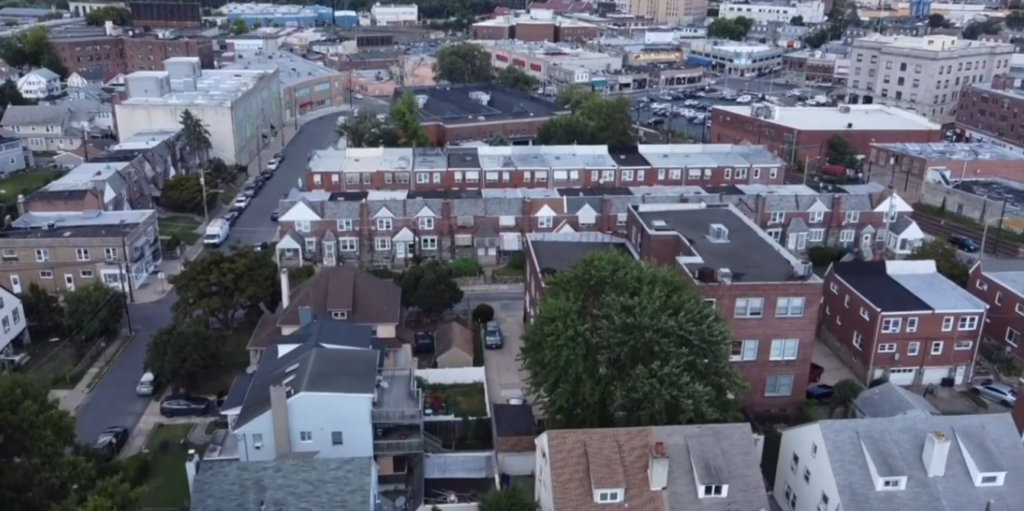
People talk endlessly about the cost of buying a home — interest rates, bidding wars, low inventory. But that’s not what really determines affordability. For most families, the question is much simpler:
“Can we afford this house month after month?”
That’s where affordability lives or dies. And when you run the numbers in Delaware County — especially in working-class towns like Upper Darby — the answer is increasingly: No, we cannot.
Take a typical $250,000 Upper Darby home. With 20 percent down and today’s still-elevated mortgage rates, monthly principal and interest come to about $1,330.
That’s not great, but it is manageable. Until the tax bill arrives.
Upper Darby homeowners pay roughly $7,095 a year in real estate taxes — about $591 per month. Add roughly $117 for homeowners insurance and the picture becomes ugly:
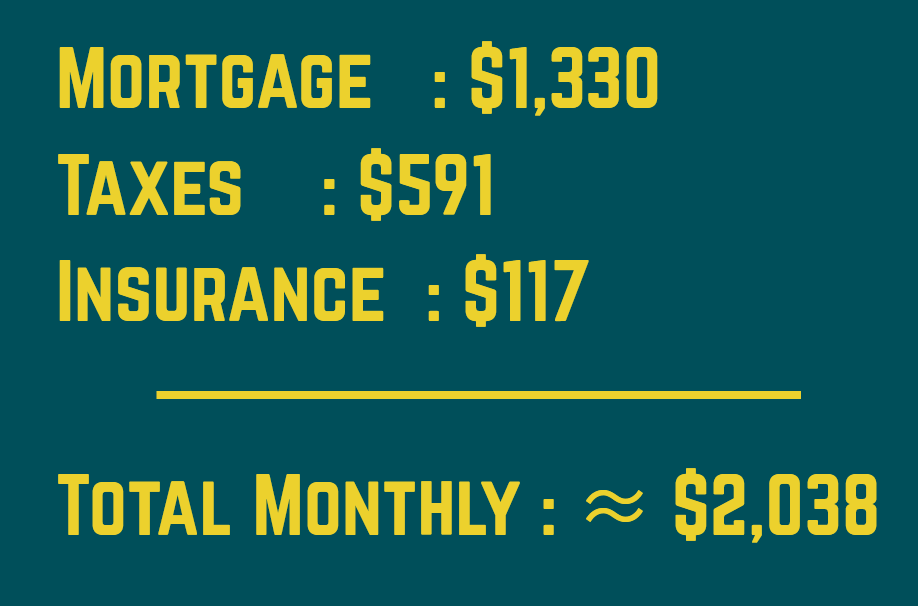
For a township with a median income of about $69,000, that means the average family spends nearly 35 percent of their income just to stay in a modest home. For comparison, financial planners warn families not to exceed 28 percent.
Upper Darby households don’t just exceed that figure — they blow past it before the lights are even turned on.
It’s easy to point at Upper Darby and say, “Well, taxes are high there.” But that misses the real story. Upper Darby isn’t the problem — it’s the example.
The same math plays out across the state, in Norristown, Coatesville, Pottstown, Bristol Township, Reading, York, and parts of Pittsburgh. Any place where you combine modest home values with high real estate taxes, families face housing burdens of 32 to 40 percent of their household income.
This is not just mismanagement by one township or school district, though there is plenty of that. This is a structural flaw in how Pennsylvania funds local government and — especially — how it funds public education.
Property taxes were never designed to carry this load. They do not adjust when wages stagnate. They punish seniors. They hit working families hardest. And they make it nearly impossible for first-time buyers to get a foothold in communities that were once affordable.
This is what a systemic failure looks like.
Young Families Can’t Get Started — and Seniors Can’t Stay
A young family looking at a home in Upper Darby may be able to handle a $1,330 mortgage. What they can’t handle is the $591 monthly tax bill — a bill that goes up whether their income does or not.
A retired couple on fixed income doesn’t pay lower taxes just because they retired. Their tax burden stays; their income does not.
Seniors get trapped. Young people get priced out. Working families live on the edge. And communities get hollowed out from underneath.
Politicians often talk about “sky-high home prices.” But this crisis is not just about sale prices. Even when prices stabilize, the monthly payment won’t — not as long as real estate taxes rise faster than incomes.
Most people are being priced out by the monthly bill, not the listing price. And in Pennsylvania, a significant part of that bill is driven by the payment that buyers cannot avoid and cannot negotiate: Property taxes.
If we want families to stay in the communities they love, and if we want first-time buyers to build their lives here, we must finally confront a question Harrisburg has ducked for decades:
Should Pennsylvania shift some or all school funding away from local property taxes and toward a statewide income or sales tax — a system that more closely aligns with the ability to pay?
Other states have done it. We can too. And the families struggling to afford a modest home in Upper Darby — and in nearly every county across this Commonwealth — deserve nothing less.
Wally Nunn is the former Chairman of Delaware County Council.