
With few schools teaching Black history in meaningful ways, community-led programs across Pittsburgh are stepping in — from hosting student summits and library workshops to offering hands-on museum experiences designed for kids and families.
When William Marshall launched what would become the Student Black History Month Summit, he expected a small turnout. Instead, teachers told him their students were not learning Black history at all. There were no Black studies classes and little sustained curriculum, regardless of whether schools were majority-Black or majority-white.
So Marshall expanded the idea. What began in 2018 as an essay contest quickly became a full-day summit, now drawing 18 to 20 school districts and hundreds of high school students each year. The program functions like a field trip, combining lectures, discussion, student recognition and live Q&A with historians and scholars from the University of Pittsburgh, Carnegie Mellon University and the Heinz History Center.
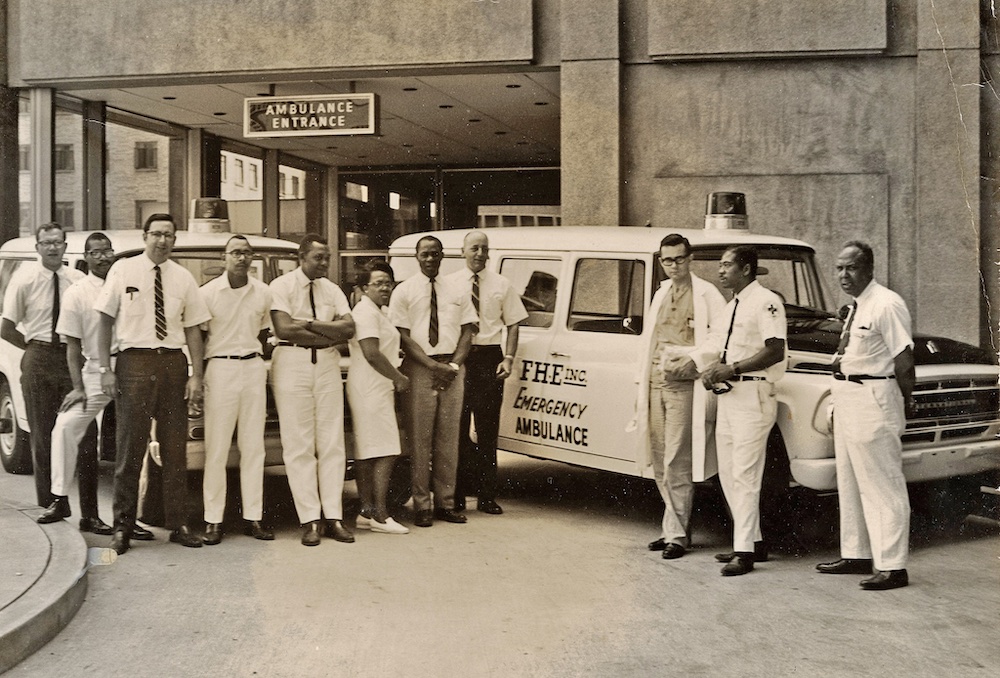
Topics range from hip-hop and sports to photography and the Hill District’s role in founding the nation’s first ambulance service, Freedom House.
“We found out that Black history is not being taught inside the school,” Marshall said. “So we created a space where students could learn it in a way that made sense to them.”
What sticks, Marshall says, is not just the information, but the recognition. Students often express surprise at learning that nationally significant Black figures and innovations came from Western Pennsylvania. They also share frustration that they had never been taught this history before.
In post-event evaluations and follow-up letters, Marshall has heard from students who say the summit changed how they see themselves. One letter, from a Black student at Fox Chapel High School, has stayed with him: The student wrote that before attending the summit, they had never learned anything about their own history, and that the summit made them feel visible for the first time.
That sense of visibility is increasingly urgent, Marshall says, as debates over what history can be taught continue to intensify nationwide. “We’re doing everything we can now to make sure students still have the opportunity to learn real history,” he said.
At the Children’s Museum of Pittsburgh, Teona Ringgold, the museum’s director of culture and community impact, points to the annual Black History Month Art Crawl as a moment when children encounter history through active process.
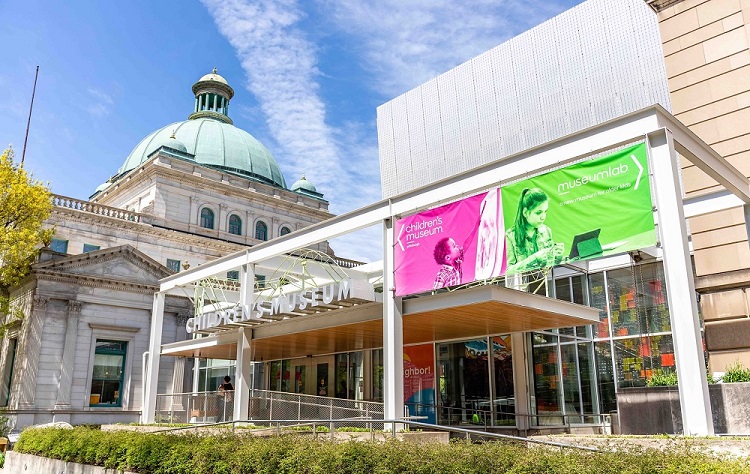 Photo courtesy of the Children’s Museum of Pittsburgh.
“Children and families are invited to watch the full artistic process unfold throughout the day,” Ringgold said. “A child may see an artwork begin as simple lines or sketches, then return later to see it transformed into a vibrant depiction of someone they just learned about.”
Each artist creates work inspired by a Black leader or hero connected to Pittsburgh, paired with accessible write-ups designed to spark conversation as families move through the museum. Ringgold says children often linger, ask questions, and return to the same pieces multiple times. “Seeing history unfold visually helps kids understand that these are real people with real lives,” she said. “Not just names from the past.”
By focusing on relatable themes like education, art, music, and friendship, Ringgold says the Art Crawl helps children understand that Black history is not separate from local history, but foundational to it.
That same hands-on approach shows up across the city. Here’s a look at Black History Month 2026 programs around Pittsburgh for kids, teens, and families.
Black History Month 2026 Programs for Kids and Families
August Wilson African American Cultural Center
The August Wilson African American Cultural Center anchors Black History Month with exhibitions and performances throughout February. Families can visit “I Will Belong to Only Me,” a major exhibition by Nigerian artist Peju Alatise, on view through Feb. 28, which offers a visually rich entry point into Black storytelling, identity and history. Programming throughout the month also includes live performances and talks, including TRUTHSayers: Nia Sioux on Friday, Feb. 27, alongside music and community events woven into the Center’s February calendar.
Senator John Heinz History Center
The Heinz History Center marks Black History Month with programming led by its African American Program, including the 12th Annual Black History Month Lecture on Friday, January 30, 2026, featuring photography scholar Deborah Willis. Families can also catch Young Washington, a kid-friendly performance with the Pittsburgh CLO, at 11 a.m. on Saturday, Feb. 28, and explore “From Slavery to Freedom,” one of the region’s most comprehensive exhibitions on African American history, on view throughout February. Admission is free for kids 17 and under.
City of Pittsburgh
The City of Pittsburgh marks Black History Month with a month-long public display in the Grand Lobby of the City-County Building, on view Feb. 1–28, honoring John B. Vashon and the legacy of Black civic, educational and abolitionist leadership in Pittsburgh. A public kickoff reception will be held on Friday, Feb. 6 at 5:30 p.m., offering families and community members an accessible way to engage with local Black history.
Student Black History Month Summit
As described in the article above, Western Pennsylvania’s Black History Student Summit on Wednesday, Feb. 16 brings together high school students from across the region for a day of learning centered on African American history, leadership and achievement. Designed for grades 9–12, the annual summit typically features student presentations, guest speakers and recognition of youth scholarship and civic engagement.
University of Pittsburgh
The University of Pittsburgh launches Black History Month with a free public kickoff event on Thursday, Feb. 5, from 1–3 p.m., featuring a panel discussion on the state of African American life at Pitt, facilitated by Dr. Shallegra Moye. Open to the public with registration encouraged, the event is best suited for older youth and adults.
Carnegie Museum of Art
The Carnegie Museum of Art hosts “Surrealism as Tactic: A Black Women’s Film Festival and Community Workshop” on Thursday, Feb. 26 at 6 p.m. The program includes a screening of “The Ballad of Suzanne Césaire,” followed by conversation and a participatory workshop, centering Black women’s intellectual and artistic traditions. Best for teens and adults.
Carnegie Museum of Natural History
As part of its R.W. Moriarty Science Seminar series, the Carnegie Museum of Natural History presents Anti-Racist Initiatives in Exhibition Development at Science Museums on Thursday, Feb. 12 at 6 p.m. The talk explores how science museums are rethinking interpretation and representation, making it a Black History Month–adjacent program geared toward educators, older students and adults.
Carnegie Library of Pittsburgh
The Carnegie Library of Pittsburgh rolls out one of the city’s most expansive Black History Month lineups, with dozens of free programs for kids, teens and adults across neighborhood branches from late January through February. Highlights include Kids Club and Teen Time workshops centered on figures such as Ida B. Wells, Langston Hughes, Ernie Barnes, Alma Woodsey Thomas, and Black inventors; a teen zine-making workshop focused on voices of change; genealogy programs; and a featured Octavia Butler–inspired preparedness workshop led by Jessica Gaynelle Moss. Full schedules and age recommendations are available on the library’s Black History Month events page.
Children’s Museum of Pittsburgh
The Children’s Museum of Pittsburgh centers Black History Month around hands-on, creative participation with its 3rd Annual Black History Month Art Crawl on Saturday, Feb. 7, from 11 a.m. to 3 p.m. Families can watch live artists create work inspired by Black leaders and heroes from Pittsburgh’s past and present, join interactive art-making, and attend a special storytime with guest reader Principal Qualisha Zyhier, featuring books rooted in Black history and lived experiences.
Freedom House Ambulance photo at top of guide courtesy of the Heinz History Center.