
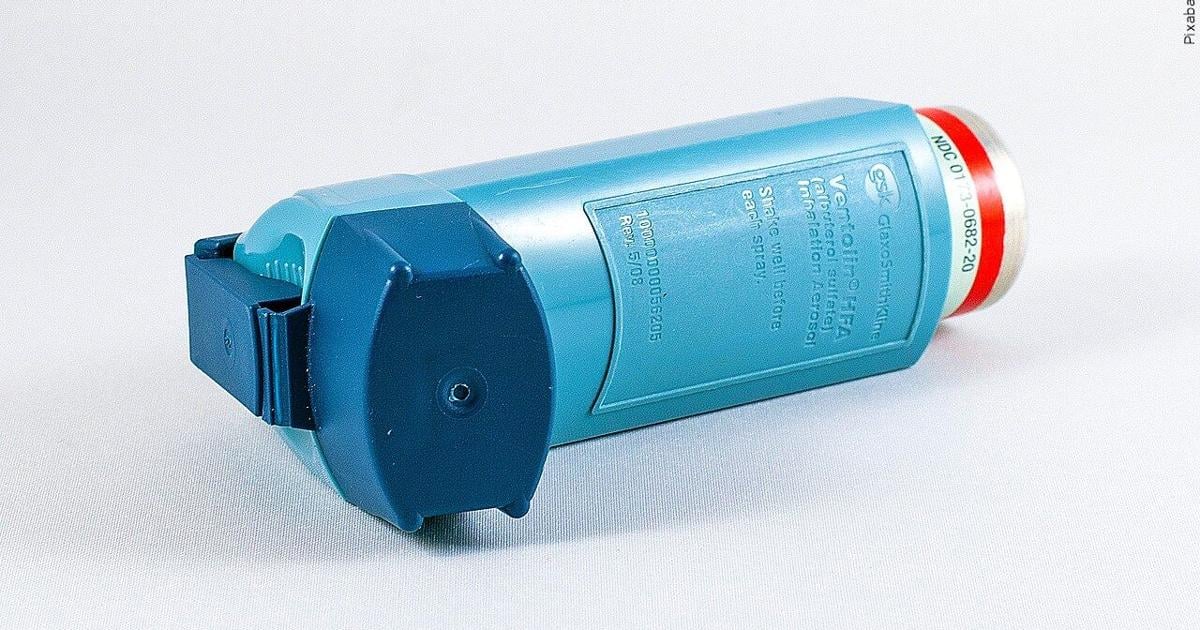
LEHIGH VALLEY, Pa. – A new report says the Lehigh Valley still isn’t a very welcoming place for those living with asthma.
According to the nonprofit Asthma and Allergy Foundation of America (AAFA), the Allentown metro area is the third most challenging place to live in the U.S. for those who suffer from asthma.
Coming in at number three on the 2025 list is a very, very thin silver lining, when compared to previous reports; the region topped the list in 2023 and again last year.
Detroit, Michigan, was deemed the worst region in the country for asthma sufferers. Rochester, New York, was in the runner-up position.
According to the AAFA, over 28 million people living in the U.S. have asthma. That’s equal to about 1 in 12 people.
Every year, the agency puts out a report that ranks the largest 100 cities in the contiguous U.S. by how challenging they are to live in for asthma sufferers.
The report evaluates asthma prevalence, ER visits, and deaths.
While the Lehigh Valley ranked third worst overall, it came it at number six for ER visits, and fourth in asthma prevalence. It was not in the top ten for asthma-related deaths.
The AAFA named a number of risk factors that can worsen asthma, including poverty, lack of health insurance, lack of access to specialists, exposure to air pollution, and smoking.
The release of the report, which you can read here, comes ahead of what’s known as Asthma Peak Week—the third week of September, when ERs see the year’s sharpest spike in asthma attacks. The surge is fueled by an increase in ragweed pollen, the most common fall allergy in the U.S.; rising mold levels, as leaves accumulate outdoors; and children returning to school, increasing exposure to respiratory infections.
Helping Allentown breathe easier
In October of last year, the AAFA announced the creation of EASE Allentown, or the Empowering Asthma Self-Management and Education program.
The project, led by the Health Promotion Council of Southeastern Pennsylvania, Inc. (HPC), aims to develop a community-based asthma management program and outreach campaign focused on older adults with asthma.
It’s part of AAFA’s Health Equity Advancement and Leadership (HEAL) initiative.