
Home » Airline News In America » Washington Joins Pennsylvania, Ohio, South Carolina, Virginia, Kentucky, and More in Issuing New Alerts as US Prepares for Another Weekend of Travel Chaos Due to Winter Storm Gianna: Everything You Need to Know
Published on
January 31, 2026
By: Rana Pratap
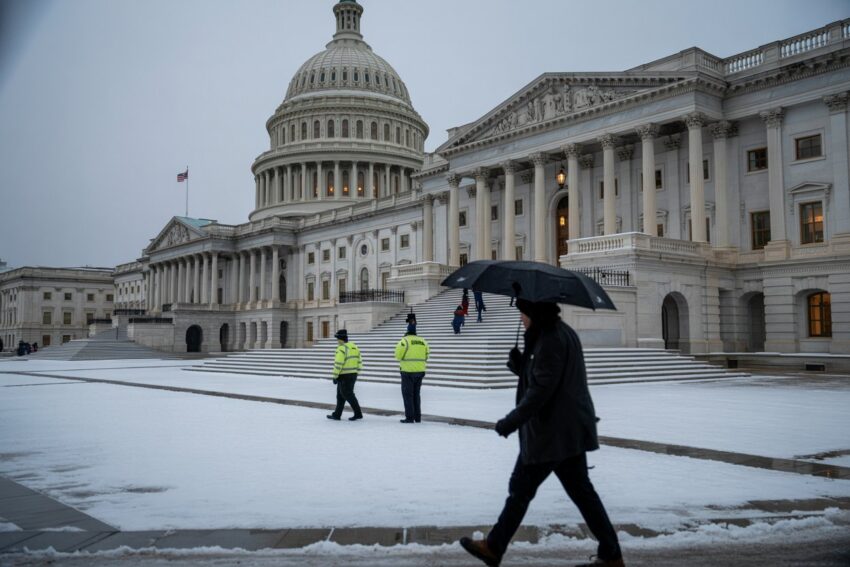
In anticipation of another weekend of travel disruption throughout the US, Washington has joined Pennsylvania, Ohio, South Carolina, Virginia, Kentucky, and other states in issuing additional cold weather advisories as Winter Storm Gianna strengthens. Everyday routines and travel plans will be significantly impacted by the storm, which is predicted to bring cold temperatures, snow, and strong winds, disrupting key roads and airports. Millions of people are predicted to be impacted by hazardous roadways, low visibility, and ice conditions as a result of these new cautions. In order to ensure that people take care and keep informed ahead of a possibly fatal weekend, the cold weather warnings are intended to alert locals and visitors about the impending storm and its extensive effects.
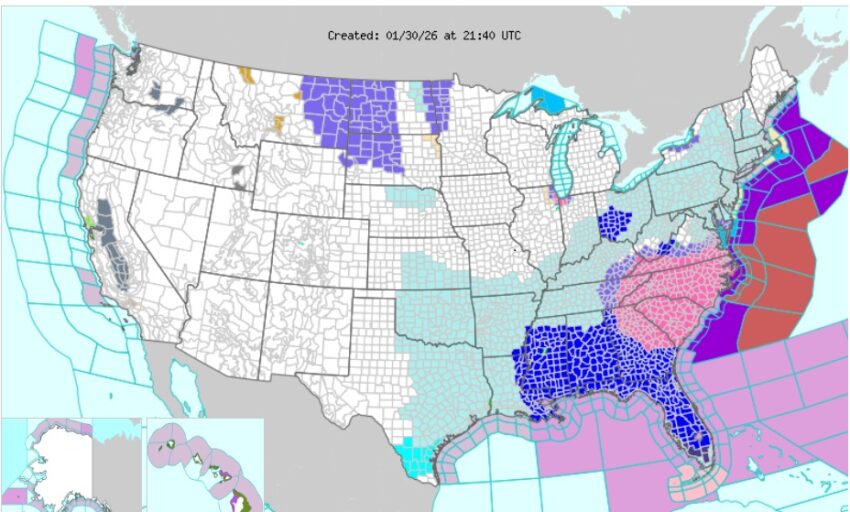 Washington: Cold Weather Advisory and Hazardous Conditions
Washington is already experiencing hazardous winter weather conditions, with a Cold Weather Advisory in effect from 8:00 PM EST on January 30 until 11:00 AM EST on January 31. Heavy snow, ice, and freezing rain are expected to make roadways slippery and dangerous, especially in Western Washington, including areas like Seattle and Spokane. Snow accumulation in these areas is expected to be significant, with the potential for low visibility and dangerous driving conditions. Additionally, the mountain passes are expected to be hit hardest.
The NWS has issued a Hazardous Weather Outlook, advising drivers to stay off the roads unless absolutely necessary. Snowplows and emergency crews are on standby, but due to the intense weather conditions, it could take some time to clear roads, particularly in elevated areas and mountain regions.
Travel Advisory for Washington:Cold Weather Advisory: Stay indoors unless travel is essential. If you must travel, ensure your vehicle is equipped with snow chains and emergency supplies.Road conditions will deteriorate rapidly in higher elevations, and snowplows will need time to catch up.Wind gusts are expected, making visibility worse in some areas. Avoid travel in mountainous regions.Ohio: Cold Weather Advisory and Icy Conditions
Ohio is facing severe winter weather, with a Cold Weather Advisory in effect from 7:00 PM EST on January 30 until 11:00 AM EST on January 31. Snowfall, ice, and freezing temperatures are expected to create slick conditions on highways and secondary roads. Cities like Cleveland, Columbus, and Cincinnati will experience a mixture of snow and ice, which will make driving hazardous.
The NWS is advising motorists to avoid traveling unless absolutely necessary, especially along Interstate 71 and Interstate 77, which typically see heavy traffic. Black ice is expected to form on bridges, overpasses, and secondary roads, creating additional hazards for drivers.
Travel Advisory for Ohio:Cold Weather Advisory: Avoid traveling if possible. Snowplows will be working to clear the roads, but delays are expected.Secondary roads and side streets will likely remain covered in ice for longer periods.Expect significant delays, especially on high-traffic routes.Pennsylvania: Cold Weather and Coastal Flood Advisory
Pennsylvania and surrounding areas are under a Cold Weather Advisory until 10:00 AM EST on February 1. Freezing temperatures and snow will make roads slippery and dangerous, particularly during the morning rush hour. In addition, a Coastal Flood Advisory is in effect from 5:00 AM EST to 12:00 PM EST on February 1, with the potential for tidal flooding in coastal areas like South Jersey and Delaware Bay.
Advertisement
Advertisement
The NWS warns that the combination of snow and coastal flooding could create dangerous conditions, especially along Interstate 95 and Interstate 76, which run through Pennsylvania and its surrounding areas. Snow could accumulate quickly, leading to visibility issues and delayed snow removal operations.
Travel Advisory for Pennsylvania:Cold Weather Advisory: Expect dangerous driving conditions on roads, particularly in the early morning hours.Coastal Flood Advisory: Stay clear of waterfront areas during high tide, as tidal flooding could affect roads near the water.Stay updated on road conditions, and monitor flight status if traveling via Pennsylvania International Airport.Virginia: Extreme Cold Watch and Winter Weather Advisory
Virginia is facing an Extreme Cold Watch from 7:00 PM EST on January 31 until 10:00 AM EST on February 1, with freezing temperatures expected to plunge across the state. Additionally, a Winter Weather Advisory is in effect until 7:00 AM EST on February 1, as snow and ice accumulate across areas like Richmond, Norfolk, and Hampton Roads.
Advertisement
Advertisement
The NWS forecasts slick roads and low visibility, especially in eastern Virginia and central regions. Interstate 64 and Interstate 95 are expected to be covered with snow, with reduced visibility on major highways. The Virginia Department of Transportation (VDOT) will be mobilizing snowplows, but motorists should expect significant delays.
Travel Advisory for Virginia:Extreme Cold Watch: Take necessary precautions to stay warm—ensure you have extra clothing, blankets, and winter gear.Winter Weather Advisory: Snowplows are working around the clock to clear major routes. Expect delays, particularly on highways in Hampton Roads.Monitor conditions regularly, as snow removal operations will be ongoing throughout the weekend.Kentucky: Cold Weather Advisory and Freezing Temperatures
Kentucky is under a Cold Weather Advisory from 10:00 PM EST on January 30 until 1:00 PM EST on January 31. The NWS warns of freezing temperatures and snow accumulation that will make roadways slippery and dangerous. The Louisville and Lexington areas are likely to see ice form on bridges and overpasses, increasing the risk of accidents.
Travel conditions are expected to worsen quickly, particularly on Interstate 64 and Interstate 75. The NWS advises that secondary roads may remain icy for a prolonged period, and motorists should be prepared for delays.
Travel Advisory for Kentucky:Cold Weather Advisory: Avoid non-essential travel during the storm. Secondary roads will take longer to clear.Icy patches and black ice are expected on bridges and overpasses.Emergency kits should include water, blankets, and extra clothing.South Carolina: Winter Storm Warning and Extreme Cold
South Carolina has issued a Winter Storm Warning from 10:00 PM EST on January 30 until 10:00 AM EST on February 1. The state will experience snow, freezing rain, and black ice, particularly in Charleston, Columbia, and Greenville. In addition, an Extreme Cold Warning is in effect from 7:00 PM EST on January 31 until 10:00 AM EST on February 1, as extremely cold temperatures will further worsen road conditions.
The NWS warns of hazardous travel conditions on Interstate 26 and Interstate 95, as snowfall and ice could accumulate quickly, creating slick roads and poor visibility.
Travel Advisory for South Carolina:Winter Storm Warning: Avoid travel if possible during the storm, especially on secondary roads.Extreme Cold Warning: Be prepared for extreme wind chills and frostbite risks.Stay updated on road conditions, and expect delays, particularly in Charleston and Columbia.
Here’s the detailed information broken down into separate sections:
Winter Storm Gianna: The Storm That’s Causing Chaos Across the East Coast
Historic storm expected to impact eastern NC.
➡️Possible first 12"+ snowfall in ENC since Dec '89 or Mar '80.
➡️Impacts may last well into next week
➡️Window to complete preparations is closing
➡️Combo of snow, cold and wind will lead to life threatening conditions. pic.twitter.com/8rBZYBNzJo— NWS Newport/Morehead (@NWSMoreheadCity) January 30, 2026
A winter storm this weekend is expected to intensify into a bomb cyclone, causing severe snow, strong winds, and coastal flooding from the Carolinas to New England. Parts of eastern North Carolina are likely to experience a historic storm, with over one foot of snow and blizzard conditions. The storm will bring hazardous conditions, power outages, and life-threatening cold for several days.
Power Outages and Travel DisruptionsOver 1 million customers across 8 Southern states are expected to lose power due to strong winds and snow.Travel conditions will be reduced, and life-threatening cold could last several days after the snow and wind move away.Winter Storm Gianna – Current Alerts
Various alerts, including winter storm warnings, are currently in effect for parts of the Southeast, as well as Cape Cod, Martha’s Vineyard, and Nantucket Island, Massachusetts. Snowfall is expected to be significant in these areas this weekend, and travel will become dangerous. There will also be power outages and road closures that could last for multiple days.
Impact on Visibility and WindsWind gusts along the North Carolina and **southeast Virginia coast could significantly drop visibility.The worst weather will occur where blizzard warnings and winter storm warnings are in effect.Bomb Cyclone and Nor’easter
This winter storm is expected to rapidly intensify into a bomb cyclone off the Eastern Seaboard. A bomb cyclone refers to low-pressure systems that intensify rapidly, resulting in severe weather. These systems tend to happen once a year along the East Coast, especially during colder months when cold air from the land meets the warmer ocean air. This storm will also qualify as a nor’easter, a storm where winds from the northeast create intense snow and wind conditions along the coast.
Coastal Flooding and High Winds
The combination of high winds and coastal flooding will lead to dangerous conditions, particularly in areas like Virginia Tidewater and the northern Outer Banks.
Timing of Winter Storm Gianna’s ImpactFriday night: Snow will spread out from the southern Appalachians into lower elevations of southern Virginia, eastern Tennessee, North Carolina, and parts of Georgia.Cities expected to see snow: Atlanta, Charlotte, Asheville, Knoxville.Saturday and Saturday night: The storm will intensify along the Southeast coast, with heavy snow and increasing winds. Blizzard conditions are possible in the Outer Banks, and snow may spread as far south as South Carolina and parts of eastern Georgia.Cities expected to see snow: Atlanta, Charleston, Charlotte, Columbia, Knoxville, Raleigh, Virginia Beach, Wilmington.Sunday: Snow will taper off by late morning from Delmarva Peninsula southward to Virginia and the Carolinas. Snow is also possible in parts of southeastern Massachusetts and Cape Cod.Coastal flooding and high winds will continue along parts of the East Coast.Sunday night: The storm will weaken and move out of New England by Monday, but lingering coastal flooding may persist, especially near high tide.Snowfall: Areas with Significant Snow Accumulation
The heaviest snow from Winter Storm Gianna is expected to fall in the Smoky Mountains and parts of the Carolinas. In eastern North Carolina, some areas could see over a foot of snow, making this potentially the heaviest snowfall in decades. The last time more than a foot of snow fell in this region was either December 1989 or March 1980.
Snowfall Totals:Eastern North Carolina: Could see over 12 inches of snow.Western Carolinas: Likely to receive 5 inches of snow through early Sunday morning.South Carolina Lowcountry: Possible snow as far south as Charleston and Savannah.Georgia: Snow may impact parts of Atlanta, Chattanooga, and Knoxville.Winds: Strong Winds Causing Power Outages and Damage
The storm will bring strong winds that could cause power outages and tree damage along at least parts of the East Coast, especially from the Outer Banks of North Carolina to New England.
Wind Gusts:Up to 70 mph along the coast in eastern North Carolina and southeast Virginia.Gusts of 40 mph are possible in southeast Massachusetts, including Martha’s Vineyard and Nantucket.
These high winds will combine with snow to produce blizzard conditions, especially in parts of eastern North Carolina, southeast Virginia, and eastern New England.
Coastal Flooding: A Serious Concern Along the East Coast
Coastal flooding is expected during high tide this weekend, especially in the Virginia Tidewater region and northern Outer Banks, where strong winds will push water toward the coast. The storm will align with Sunday’s full moon, which will elevate tides and exacerbate flooding risks.
Coastal Flooding Impacts:Worst flooding: Expected early Sunday morning in southeast Virginia and the northern Outer Banks.Minor coastal inundation of 1-3 feet is possible in eastern Massachusetts on Sunday morning.Key Preparations:Power outages could last for days, so prepare an emergency kit with water, batteries, and extra blankets.Stay off the roads if possible, especially in areas under winter storm warnings and blizzard conditions.Monitor local weather reports for the latest road closures, flight cancellations, and school closures.Coastal areas should prepare for flooding and wind damage.
With Winter Storm Gianna expected to last through Sunday and into Monday, stay informed and prepare early for the significant impacts the storm will bring.
Airlines Respond to Winter Storm Gianna: Rebooking and Advisory Details
As Winter Storm Gianna intensifies, affecting much of the East Coast, several major airlines have issued travel advisories and are offering flexible rebooking options to affected travelers. This includes waiving change fees, rebooking, and refunds for passengers facing disruptions due to the storm’s impact on flight schedules.
Here’s a detailed breakdown of each airline’s current policies for those traveling during the storm, as well as the most affected airports:
Airline Rebooking and Advisory BreakdownAmerican Airlines: Offering rebooking without fees for flights impacted by Gianna, particularly for Jan 30 – Feb 2 flights. Passengers can rebook for new dates and same route by Feb 6, but they may have to pay fare differences if switching to a higher-class ticket. Cities such as Atlanta and Charlotte are expected to see cancellations.Delta Air Lines: Waiving change fees for customers traveling into or out of impacted airports, especially those in the Southeast. Blizzard conditions are expected along the East Coast, and rebooking is available through Delta’s app for Jan 30 – Feb 1.United Airlines: Passengers traveling on affected routes between Jan 30 – Feb 1 may reschedule or rebook without a change fee, provided they rebook by Feb 8. High winds and snow are expected to impact airports along the East Coast.Southwest Airlines: Offering a free rebooking window for those with tickets affected by the storm. For travelers in cities like Charlotte and Charleston, Southwest provides a 14-day window to rebook their flights without paying change fees.Airline Policies and Travel AlertsAirlineTravel Advisory DatesRebooking OptionAdditional DetailsAmerican AirlinesJan 30 – Feb 2, 2026Rebook without fees, new travel must be completed by Feb 6, 2026Passengers may pay fare differences for upgraded tickets.Delta Air LinesJan 30 – Feb 1, 2026Rebooking without change feesPassengers encouraged to rebook via Delta’s app for quicker processing.United AirlinesJan 30 – Feb 1, 2026Rebook without change fees, travel must be completed by Feb 8, 2026Snow, wind expected to delay flights; free changes available.Southwest AirlinesJan 30 – Feb 1, 2026Rebooking available within 14 days, no change feesAvailable for affected flights to Charlotte, Charleston, and others.How to Prepare for Winter Storm Gianna’s Impact on Air Travel
Winter Storm Gianna is expected to bring significant disruptions to travel, especially with snow, ice, and high winds impacting major airports. Here’s how passengers can stay prepared:
Monitor Flight Status: Use each airline’s app or website to stay updated on flight delays and cancellations.Rebook Early: If your flight is affected, try to rebook as soon as possible to avoid further delays. Many airlines are offering free rebooking for storm-impacted dates.Prepare for Delays: If you must travel, ensure you have a travel kit with essentials (food, water, medications, etc.) in case of delays at the airport.State-wise Breakdown of Winter Storm Warnings:StateWeather AdvisoryEffective TimeKey ImpactsWashingtonCold Weather AdvisoryJanuary 30, 08:00 PM EST – January 31, 11:00 AM ESTSnow, icy roads, hazardous conditions.OhioCold Weather AdvisoryJanuary 30, 07:00 PM EST – January 31, 11:00 AM ESTSnow, ice, and freezing temperatures.PennsylvaniaCold Weather Advisory & Coastal Flood AdvisoryUntil February 1, 10:00 AM EST & February 1, 05:00 AM EST – 12:00 PM ESTFreezing temperatures, snow, tidal flooding.VirginiaExtreme Cold Watch & Winter Weather AdvisoryJanuary 31, 07:00 PM EST – February 1, 10:00 AM EST & Until February 1, 07:00 AM ESTSnow, ice, freezing temperatures, hazardous travel.KentuckyCold Weather AdvisoryJanuary 30, 10:00 PM EST – January 31, 01:00 PM ESTFreezing temperatures, snow accumulation.South CarolinaWinter Storm Warning & Extreme Cold WarningJanuary 30, 10:00 PM EST – February 1, 10:00 AM EST & January 31, 07:00 PM EST – February 1, 10:00 AM ESTSnow, freezing rain, black ice, extreme cold.Impact of the Previous Storm: A Nation Reels from Power Losses and Travel Disruptions
While the current storm is expected to create significant disruptions, the effects of last week’s storm have already been devastating. Over one million customers across eight Southern states lost power due to ice accumulations and downed trees, with restoration efforts continuing into the weekend. This includes areas in Georgia, Alabama, and Mississippi, where electricity remains out in several communities.
Additionally, the federal government has approved emergency declarations in at least 12 states, enabling states to receive federal assistance for storm recovery efforts. This includes disaster relief funds, which will help with road clearance, shelter, and utilities.
Air travel was also severely impacted, with more than 10,000 U.S. airline flight cancellations reported due to the storm. Airports in cities like Atlanta, Dallas, and Charlotte saw major disruptions, as snow and ice accumulated on runways, causing delayed and cancelled flights.
The sub-zero cold continues to stretch from the Plains to New England, with wind chills reaching dangerous levels in places like Chicago, Boston, and New York City. These temperatures, combined with strong winds, pose significant risks for anyone outdoors for extended periods.
Washington has joined Pennsylvania, Ohio, South Carolina, Virginia, Kentucky, and other states in issuing new alerts as Winter Storm Gianna threatens the US, bringing snow, ice, and high winds that will disrupt travel and daily routines.
Conclusion: How to Prepare for the Weekend of Travel Chaos
Washington’s decision to join Pennsylvania, Ohio, South Carolina, Virginia, Kentucky, and other states in issuing additional advisories demonstrates the widespread impact of Winter Storm Gianna. Snow, ice, and strong winds will make roadways dangerous and interfere with air travel as the US prepares for yet another weekend of travel turmoil. These alerts are critical for guaranteeing safety, advising travellers to steer clear of unnecessary excursions and get ready for the difficult circumstances that lie ahead. As the storm’s severity increases, navigating the approaching disruption requires knowledge and caution.
For those who must travel, make sure to check road conditions, carry emergency supplies, and stay updated on weather alerts. Postpone non-essential travel and stay safe. The coming days will require patience and caution, but with proper preparation, you can navigate this winter storm with as little disruption as possible.
