
With the clear sky Sunday, we were able to get a good look at Lake Erie from the high-resolution satellites 500 miles up in space. Now we also have images from close-up, right on top of the crack.
Lake Erie was up to 96 percent ice covered on February 6. After an extremely cold weekend, Lake Erie’s ice concentration shrank to 92 percent.
The reason for less ice concentration in brutally cold air was water movement and a large crack forming over Lake Erie.
Look at the high-resolution satellite during Sunday’s sunny skies.
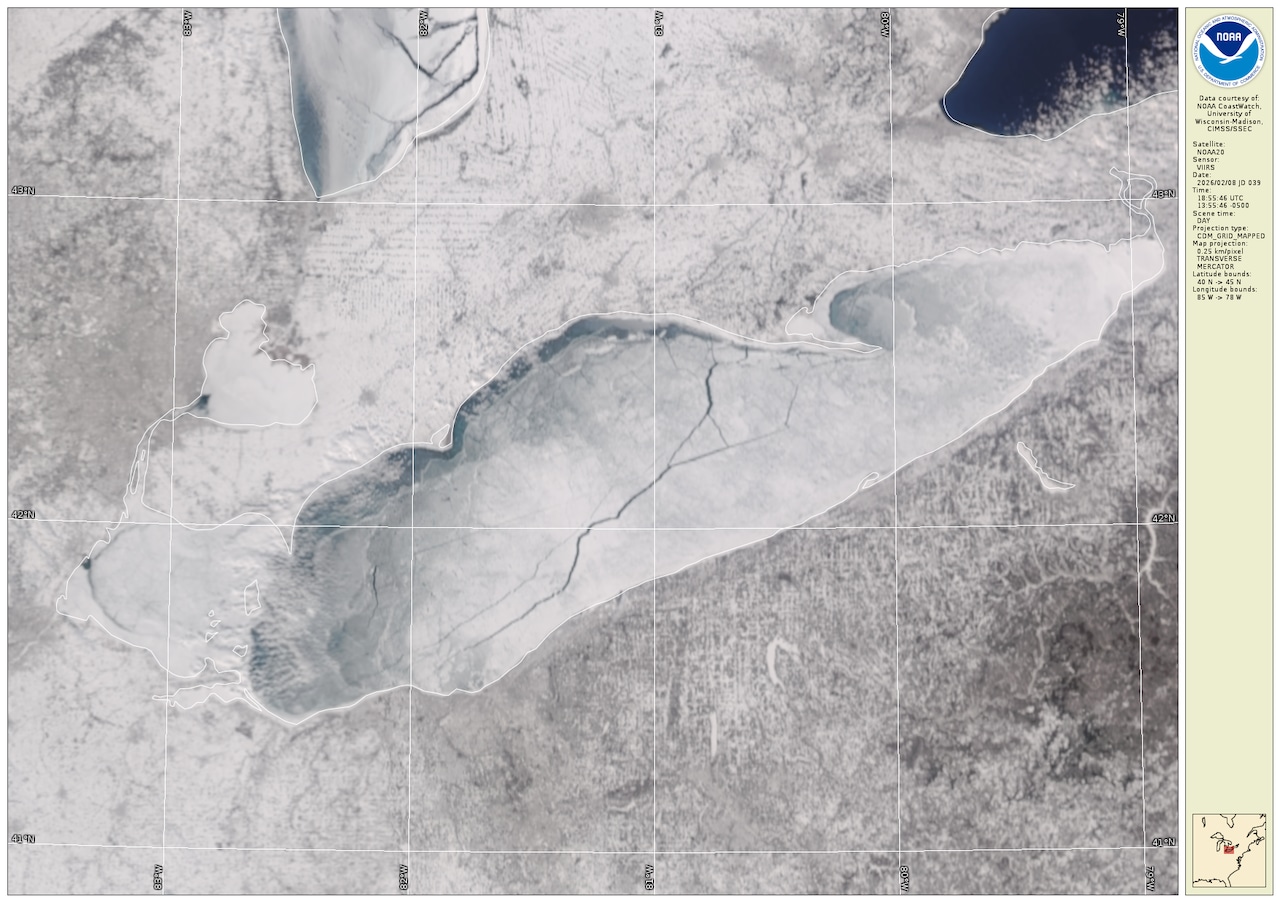 Lake Erie on Sunday, February 8, 2026 has a large crack that formed, even in bitterly cold air.NOAA
The crack runs from Cleveland to the north shore of Lake Erie near Port Bruce in Canada. NOAA estimates this crack is 80 miles long.
How can an ice crack like this form in an almost frozen-over Lake Erie? There still was five percent open water on this past Sunday, and it was concentrated on the north side of Lake Erie. There was enough space for the northern part of the ice shield to shift north and crack the middle of the ice.
Could you imagine thinking Lake Erie ice is solid enough for safe ice fishing, and then hearing a crack form. I’ve been told it’s a very loud and scary noise.
Now we get an even better close-up look at the crack with actual photos from Kelly Matter of Photography Matters. Kelly used a drone to get us a great view of the crack.
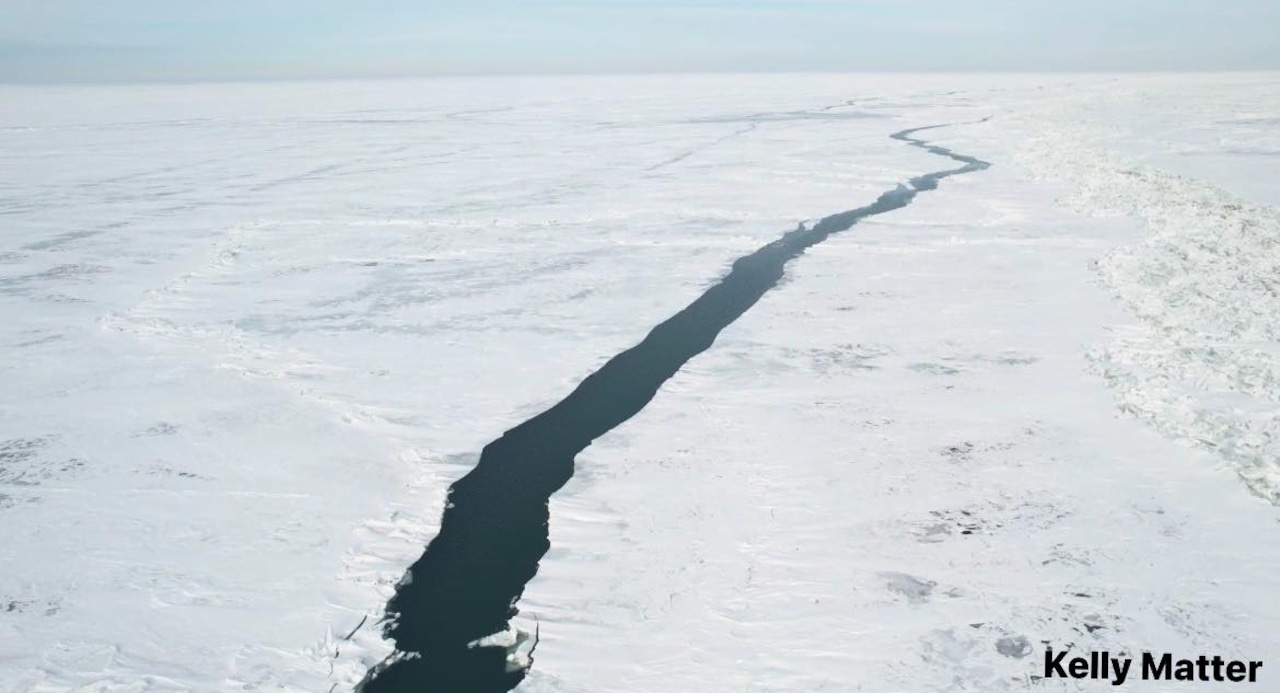 Lake Erie ice crack on Sunday, February 8, 2026 from Kelly Matter/Photography Matters’ drone.Kelly Matters
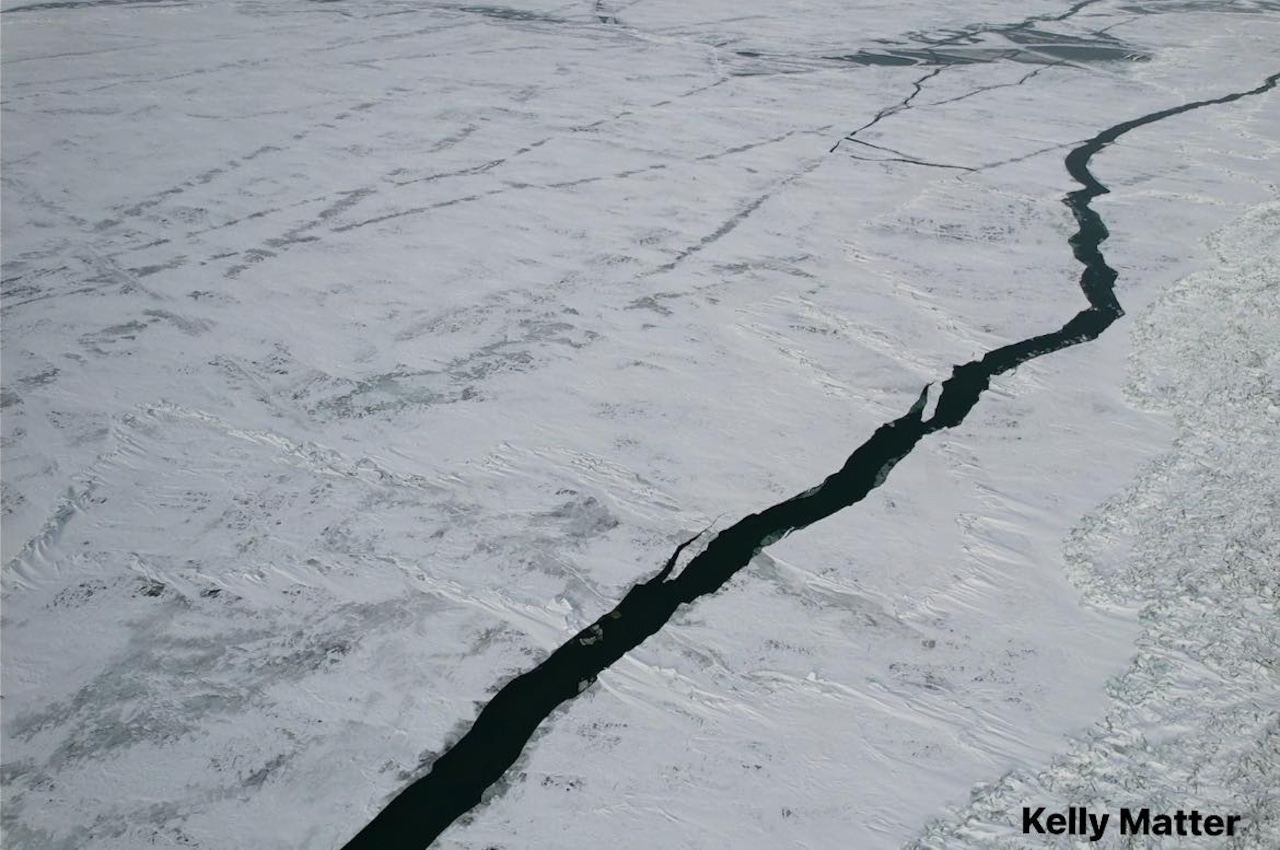 Lake Erie ice crack on Sunday, February 8, 2026 from Kelly Matter/Photography Matters’ drone.Kelly Matters
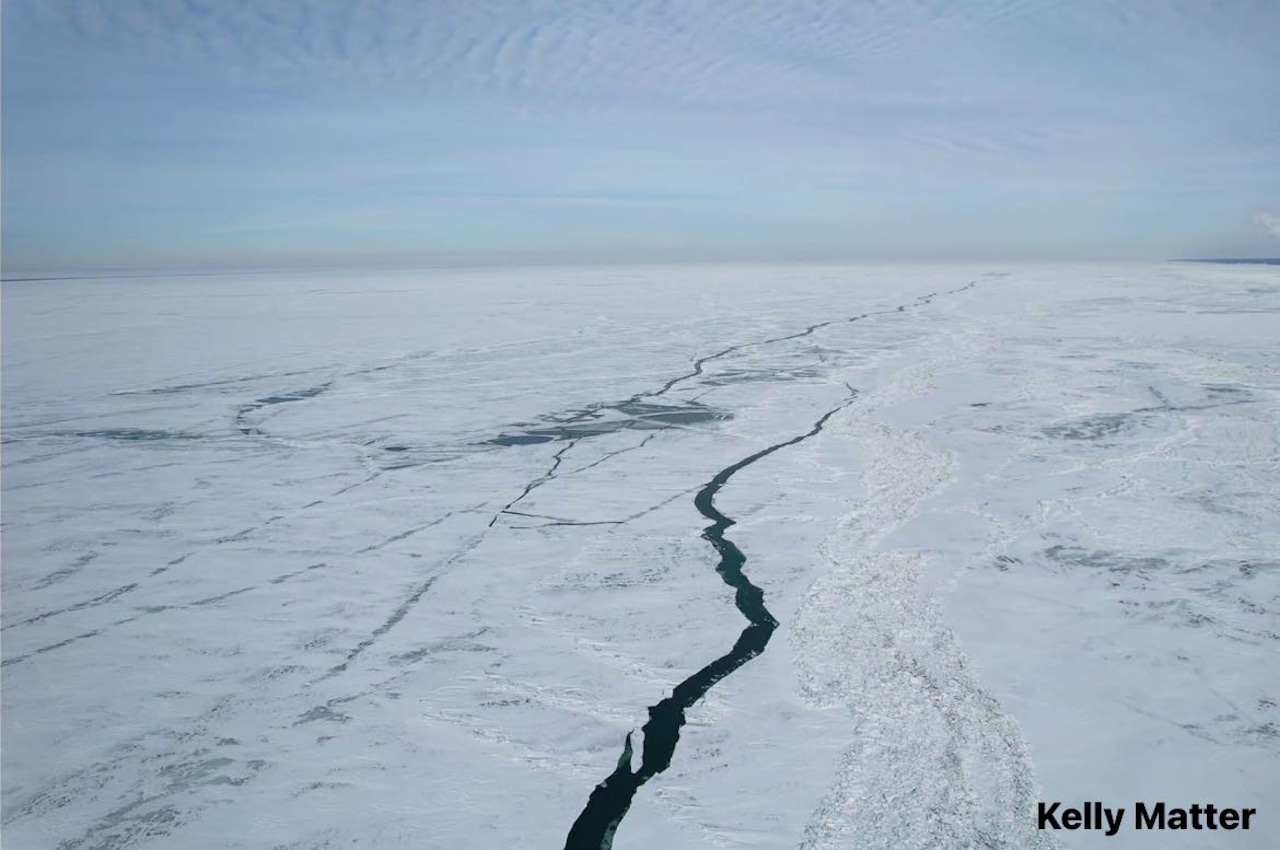 Lake Erie ice crack on Sunday, February 8, 2026 from Kelly Matter/Photography Matters’ drone.Kelly Matters
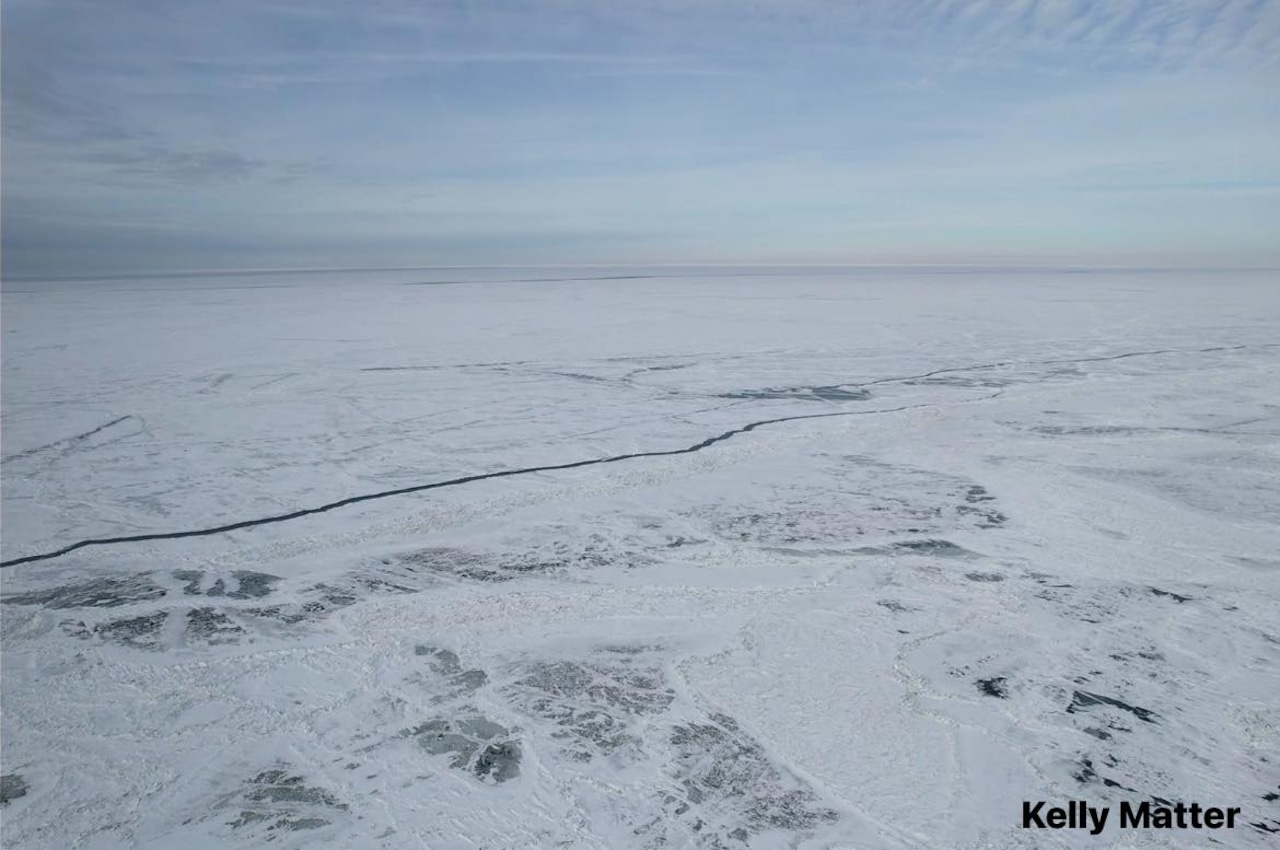 Lake Erie ice crack on Sunday, February 8, 2026 from Kelly Matter/Photography Matters’ drone.Kelly Matters
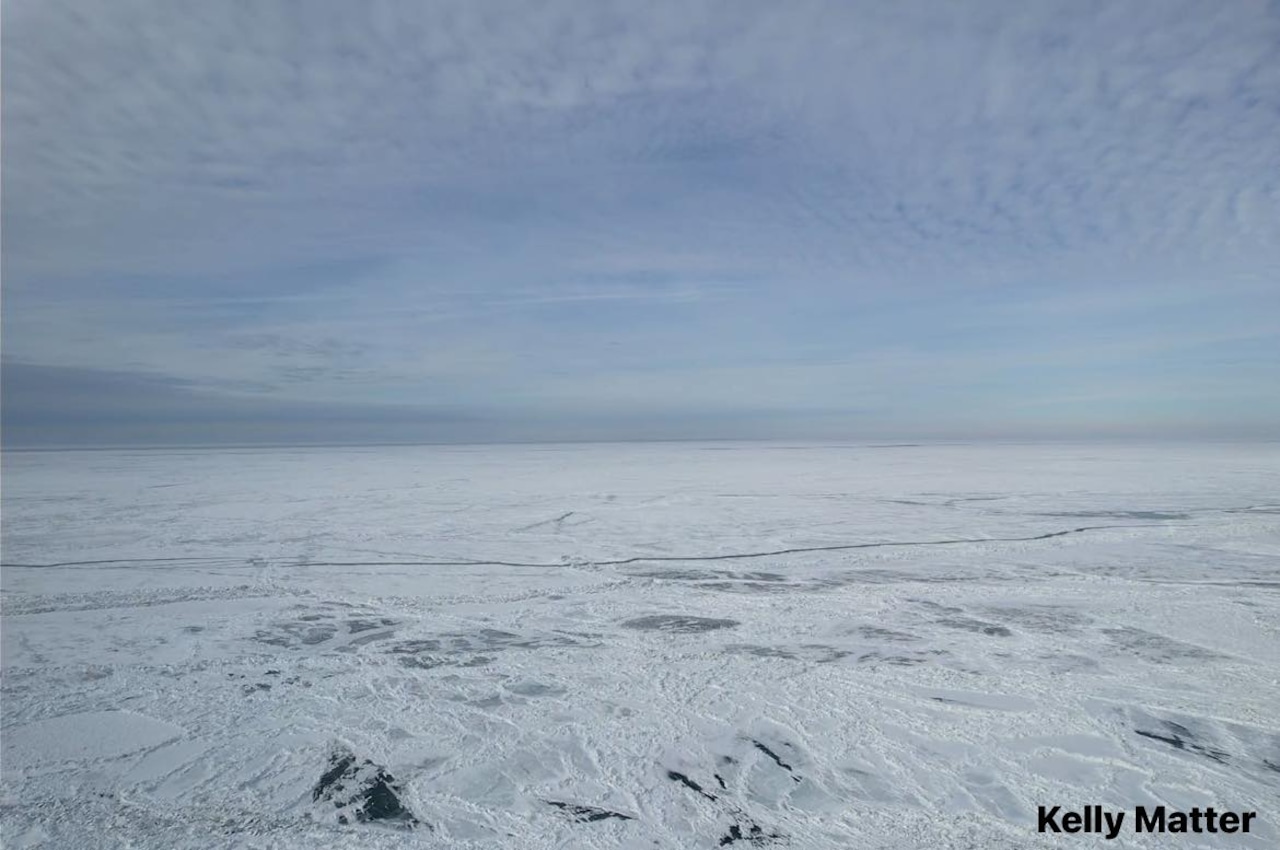 Lake Erie ice crack on Sunday, February 8, 2026 from Kelly Matter/Photography Matters’ drone.Kelly Matters
Kelly Matter admits the size of the crack is hard to estimate, but pegs it at “a few feet across.” Matter also said the crack looks wider in stretches.
This is a good reminder that Great Lakes’ ice is always questionable on safety. Even when you think a lake is frozen solid, it probably isn’t.