The museum will highlight the shipwreck and the method of its discovery through a micro exhibit.
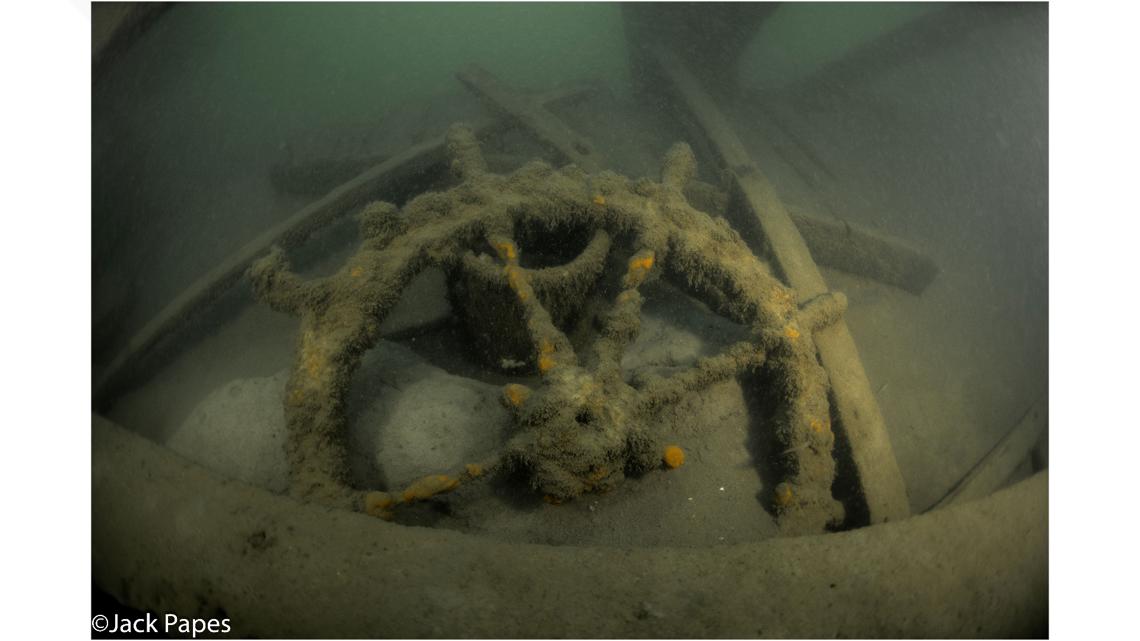
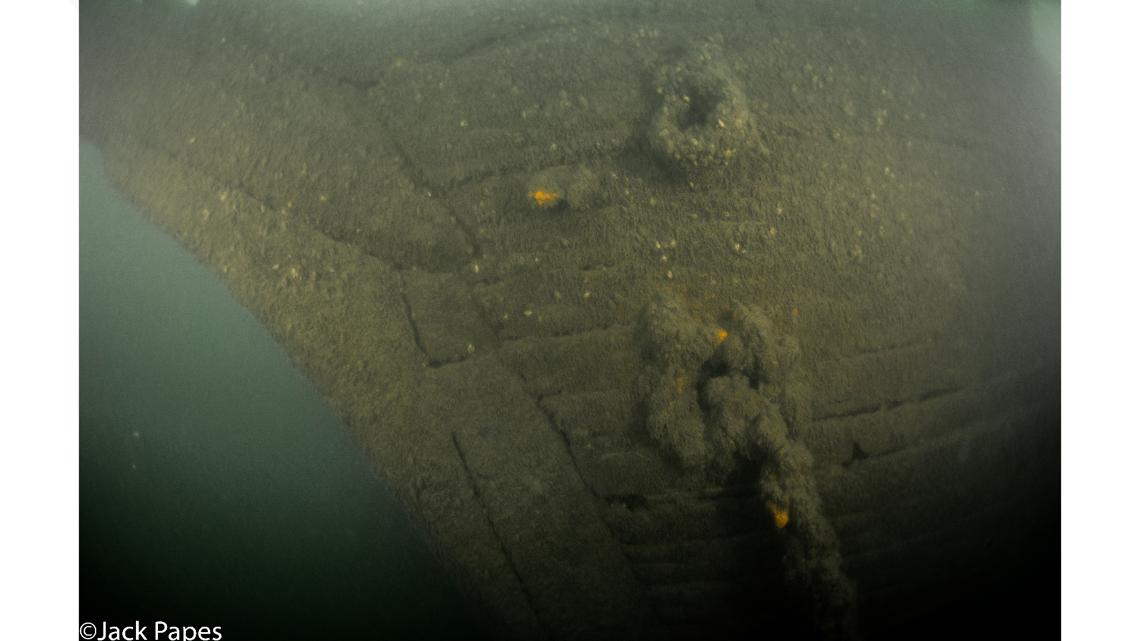
TOLEDO, Ohio — More than 150 years after it sank in Lake Erie, the stone-hauling sailing vessel the “Clough” has been positively identified, the National Museum of the Great Lakes announced in a press release Wednesday.
The Cleveland Underwater Explorers (CLUE) worked with the support of NMGL to identify the vessel, which sank while it was hauling stone on Sept. 15, 1868. The vessel, a sailing ship, measured 125 feet in lengths and 26.5 feet across, NMGL said. It was classified as a “bark,” a three-masted vessel rigged with square sails on the foremast, and schooner sails on the main and mizzen masts.
The Clough was built in Lorain, Ohio, and was owned by Baxter Clough, who owned an Amherst, Ohio quarry.
NMGL and CLUE have worked since at least 2024 to confirm the ship’s identity. NMGL said CLUE founder David VanZandt passed away in June 2024 and, since then, the organizations used collaborative research and documentation to formally confirm the Clough’s identity.
“This discovery represents both a significant chapter in Great Lakes maritime history and a meaningful continuation of David VanZandt’s legacy,” said Carrie Sowden, Director of Archaeology and Research at the National Museum of the Great Lakes, in a press release. “We’re honored to partner with CLUE to bring this story to light and to share it with our community through this exhibit.”
With the vessel’s positively identified, NMGL is establishing a micro exhibit to allow the public a rare glimpse into the world of underwater exploration and historical research. The exhibit opens Wednesday and will be on view through April 16.
Below are two photos of the vessel.