
CLEVELAND, Ohio — A newly discovered Lake Erie shipwreck has been confirmed as the Clough, a 125-foot stone-hauling vessel built in Lorain in 1867 that sank just one year later during the height of Great Lakes commerce.
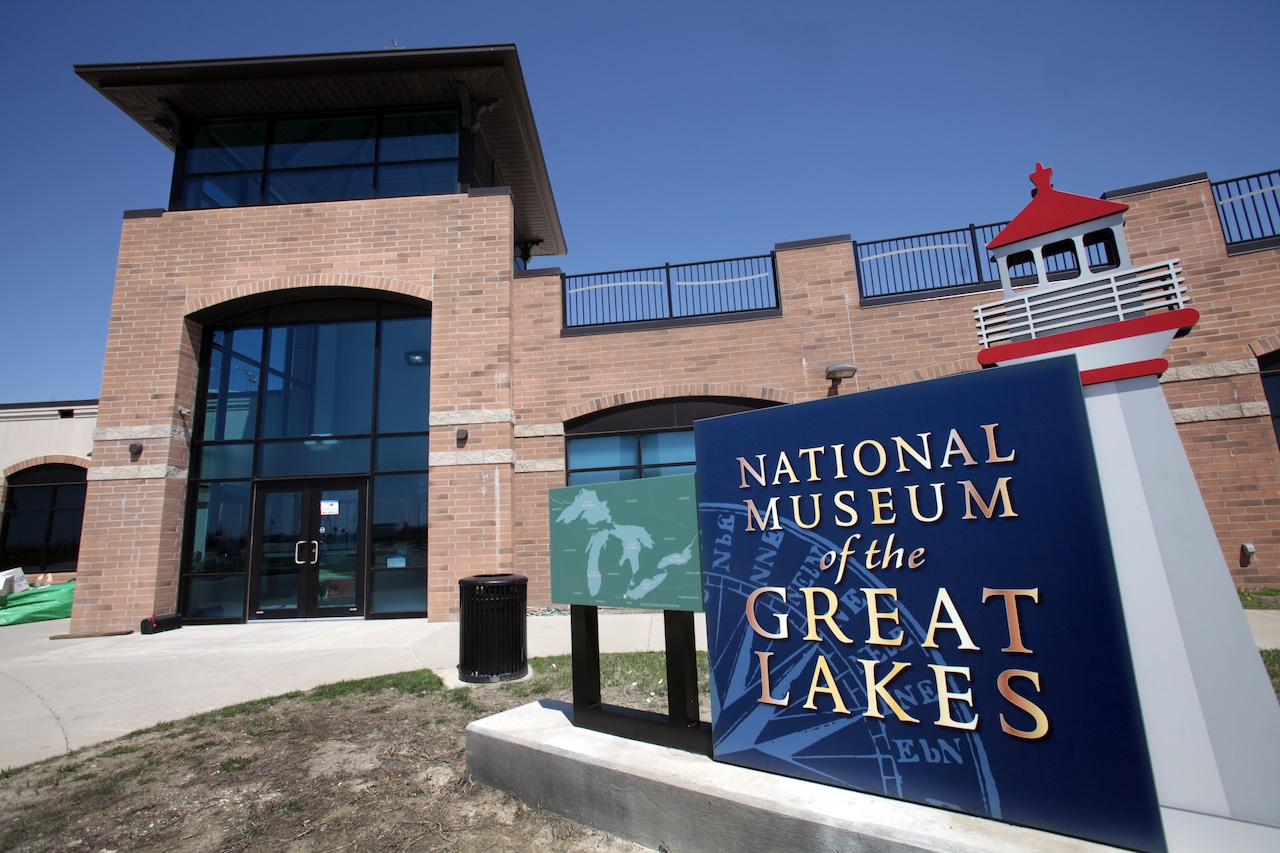
Its identification, announced Wednesday by the National Museum of the Great Lakes in Toledo, follows multiple site visits, detailed mapping and extensive historical research by the museum and the Cleveland Underwater Explorers, a nonprofit dive group that has worked since 2001 to locate and document shipwrecks in Lake Erie.
The Clough sank Sept. 15, 1868, while transporting stone across the lake, according to the museum, which did not disclose its exact location.
Built for quarry owner Baxter Clough of Amherst, the vessel measured 125 feet long and 26.5 feet wide. It was classified as a bark — a three-masted ship rigged with square sails on the foremast, and schooner sails on the main and mizzen masts.
The confirmation comes shortly after the Lac La Belle, a Cleveland-built passenger steamer that sank in Lake Michigan in 1872, was revealed to have been found — another reminder of Northeast Ohio’s 19th-century shipbuilding prominence.
The discovery of the Clough carries emotional weight for the dive community. The wreck site is associated with the June 2024 death of CLUE founder David VanZandt on Lake Erie, the museum’s news release said.
In the months following his death, CLUE and the museum continued the identification process, ultimately confirming the vessel’s identity.
“This discovery represents both a significant chapter in Great Lakes maritime history and a meaningful continuation of David VanZandt’s legacy,” Carrie Sowden, director of archaeology and research at the National Museum of the Great Lakes, said in the release. “We’re honored to partner with CLUE to bring this story to light and to share it with our community through this exhibit.”
VanZandt founded the Cleveland Underwater Explorers in 2001, bringing together divers, historians and archaeologists to research and explore Great Lakes shipwrecks. The group helped locate the tank barge Argo in 2015 and the steam barge Margaret Olwill in 2017, among other discoveries. In 2018, the steamship Anthony Wayne, found by members of the group, was listed on the National Register of Historic Places.
Exhibit to highlight discovery process
To share the findings, the National Museum of the Great Lakes will open a temporary micro exhibit, “Beneath the Surface: CLUE, the Clough, and a Lasting Legacy,” on Feb. 18. The exhibit runs through April 19.
The display will focus on how shipwrecks are identified — from sonar and underwater documentation to the historical research that connects a wreck site to a specific vessel. Visitors will see site maps and learn how divers interpret structural features to match a wreck with archival records.
The exhibit is included with regular museum admission and is free for members.