
A ‘perverse’ and ‘broken’ system rewards more spending on utility infrastructure
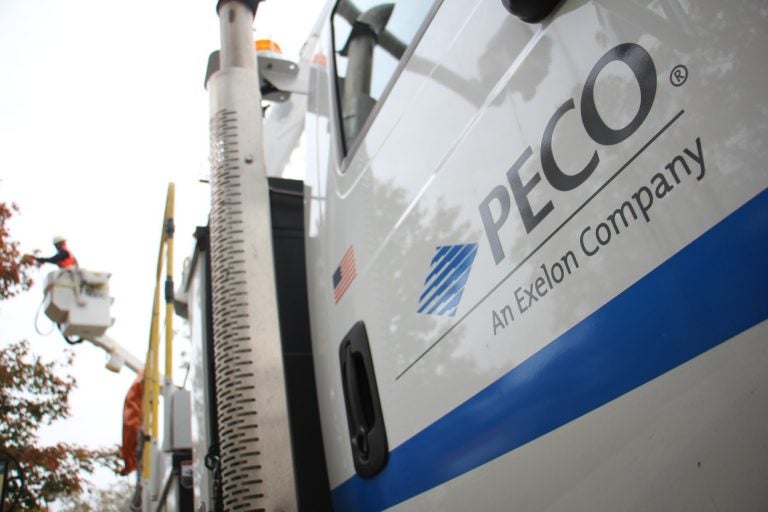
PECO argues for rate hikes by pointing to investments that shore up aging infrastructure in order to maintain reliability, especially during extreme weather events like the winter storm that dumped more than 9 inches of snow, capped with ice, across the region at the end of January.
“Rate cases also ensure we recover the costs of investments needed to maintain and strengthen the grid through just and reasonable energy delivery rates,” Womer said in an email. “PECO’s energy delivery rates and return on equity (ROE) are approved by regulators and apply only to the delivery portion of the bill.”
But it’s that type of approval by state regulators nationwide that has some calling for reform.
“These ROEs are too high and it’s just kind of screaming in everybody’s face,” Ellis said.
As part of his role at the American Economic Liberties Project, Ellis now provides expert testimony in ratemaking cases advocating for affordability. Previously, he worked for ExxonMobile, McKinsey & Company and then for Sempra, a large energy company where he managed the cost of capital for their infrastructure projects. He’s also a managing partner with Market Clear, a company that is working to create an alternative solution for what he calls “utility profiteering.”
Ellis said the modeling that results in specific return on equity for monopoly utilities is a “perverse” system because it rewards spending more money, which is provided by ratepayers.
During a rate case, utilities will tell regulators the amount needed to spend on new and existing infrastructure and point to safety issues and reliability, he said. But determining what is actually required for safety is difficult. While Ellis did not participate as an expert in the 2024 PECO rate case, he said regulators, in general, do not ask enough questions to determine how much of a profit should be made from these upgrades.
“It’s supposed to be the actual cost of capital. Like, what is the profit that [the company] would obtain if they were subject to competition?” Ellis said. “That’s the underlying principle going back 100 years. But for whatever reason, regulators set the profit much higher than the actual market-based cost of capital.”
Ellis said the opaque nature of these rate cases makes it hard for the public to follow. Additionally, he said regulators are easily confused by these complex cases because they lack expertise.
“So when a utility comes in and says, ‘I need to spend X amount of dollars for reliability or safety,’ it’s very hard for a regulator to say, ‘No, you’re overspending on safety.’ So you just have this kind of broken system,” Ellis said. “And these experts that [utility companies] hire have developed this whole parallel universe. I call it utility land finance.” Ellis explained that a company that faces market competition does not have an incentive to spend more, but rather figure out how to spend less to make a profit.
He added that regardless of whether a settled case agrees to a specific return on equity for shareholders, the company knows, in their own calculations, an ROE.
A spokesperson for Edison Electric Institute, an investor-owned electric utility trade group, defended the regulatory ratemaking process as transparent, and said the burden of proof for infrastructure upgrades is on the utilities.
“Public utility commissions conduct open, transparent rate reviews to determine which costs regulated electric companies may recover,” wrote Dani Marx, the institute’s spokesperson, in an email. “In these proceedings, electric companies bear the burden of proving that requested costs are prudent and necessary to meet customer needs. Commission staff and intervenors may review, challenge, and seek additional evidence as part of the process. Commissions then decide cases based on the evidentiary record.”
A spokesperson for the Public Utility Commission said the 2024 rate case process for both PECO’s electric and gas utilities was fair and resulted in less than the company’s original request.
“These settlements were reached by a broad group of parties representing consumer, small business, and public interests, and were supported by a fully developed record,” said Public Utility Commission spokesman Nils Hagen-Frederiksen. “In both cases, the approved outcomes reflected substantial reductions from the utilities’ original requests.”
Shapiro said he wants the commission to better examine a utility’s books and make financial details of their rate-hike requests more transparent. He asked lawmakers to pass legislation that provides guidelines for the regulator and places limits on utility profits.
“We need to have a hard conversation about the amount of profit utilities and their investors can make on the backs of hardworking Pennsylvanians,” Shapiro said in his address to the General Assembly. “S&P Global Ratings currently ranks Pennsylvania as one of the top four states in the country for utilities to make a profit.”
“We grant these utilities a monopoly — and in exchange, they have a legal responsibility to keep their costs just and reasonable,” Shapiro said. “They shouldn’t get one dollar more than what they need to meet their customers’ needs.”