
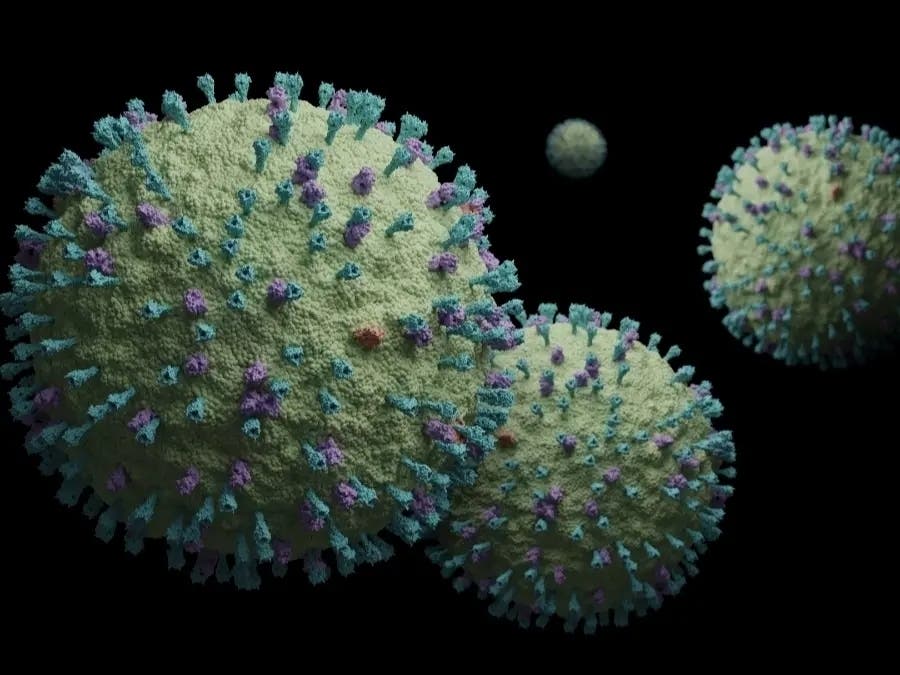
A lesser-known respiratory virus has been detected in Pennsylvania, according to wastewater monitoring that identified human metapneumovirus in samples at two locations in the state.
Data from Stanford University’s WastewaterSCAN program indicate that human metapneumovirus, also known as HMPV, is at the Chester Delcora treatment plant in Delaware County, as well as the University Park Water Reclamation Plant in Centre County.
Wastewater monitoring can reveal which viruses are circulating in communities by detecting genetic traces left in sewage from infected people.
The Pennsylvania Department of Health lists human metapneumovirus as one of the respiratory illnesses that has been found in Pennsylvania, but specific data on cases is not available.
The virus can cause upper and lower respiratory illness with symptoms including cough, fever, nasal congestion and shortness of breath, according to the Centers for Disease Control and Prevention.
The most recent data shows Chester and University Park processing higher rates in February and March than any point in 2025, though levels were nearly double the current rate in March 2023 and Jan. 2024.
This year, have risen sharply since Jan 1:
 Stanford University’s WastewaterSCAN Dashboard
Most cases are mild, but younger children, older adults and people with weakened immune systems are especially vulnerable. Symptoms can sometimes progress to bronchitis or pneumonia.
While people can contract HMPV year-round, the CDC says infections are more prevalent during the winter and spring.
It spreads through the air after someone coughs or sneezes, through close personal contact or touching contaminated objects and surfaces and then touching the mouth, nose or eyes.
HMPV was first identified in 2001 and now circulates globally, according to the Mayo Clinic.
There is currently no vaccine to prevent the virus.
Health experts recommend basic precautions such as washing hands frequently, covering coughs and sneezes and sanitizing frequently touched surfaces.
Patch editors Hayleigh Evans and Corey Washington contributed to this story.