
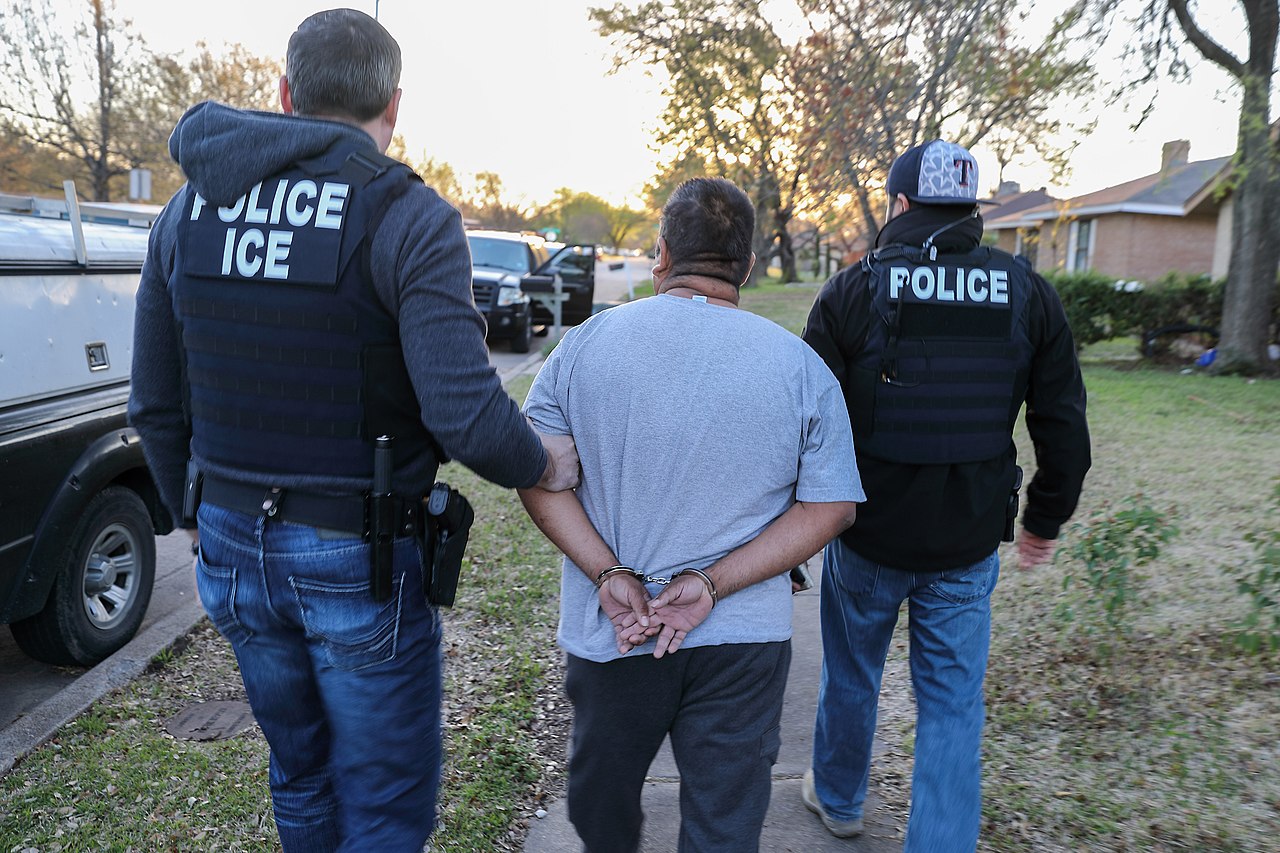
Proposed ICE detention centers in Pennsylvania have sparked worries that they would overburden local services, compromise public safety and drain tax revenue, threatening the well-being of surrounding communities.
The federal government’s purchase of warehouse properties in Pennsylvania for potential ICE detention use has drawn opposition from state and local leaders.
Gov. Josh Shapiro warned the facilities could pose health and safety risks and pledged legal action, while U.S. Rep. Brian Fitzpatrick said federal officials told his office there are no plans for a detention center in his district and stressed the need for transparency with communities.
In Berks County, DHS is proposing an ICE detention center in Upper Bern Township that, according to public reports, would house up to 1,500 detainees.
The addition would almost double the township’s population and is expected to strain local infrastructure, public safety services and other community resources, prompting concern from residents and local officials.
Alongside, they have proposed building an ICE detention center in Tremont Township, Schuylkill County, that could hold up to 7,500 people. Reports say the project would seriously harm the local community
The proposed detention center would strain local infrastructure with excessive sewage output, overwhelm emergency services in Upper Bern Township and cost the community over $800,000 annually in lost property tax revenue, including losses to Berks County and the Hamburg Area School District.
These detention centers would endanger nearby residents, strain local services and reduce community tax revenue.
Shapiro said, “Public safety comes first, which means any facility housing people must be properly built, maintained, and run to meet safety standards for everyone,” showing he feels strongly responsible for protecting people and ensuring their safety.
Like Shapiro, Fitzpatrick prioritizes protecting residents. He said, “When issues affecting our community arise, we tackle them directly, get the facts, and make sure our community receives clear and accurate information.”
Together, their shared focus on public safety, community resources and transparent information underscores a commitment to protecting Pennsylvania communities from potential harm.
As the debate continues, many residents remain concerned about the long-term impact such a facility could have on public safety, infrastructure and local resources. The discussions highlight the importance of careful planning, transparency and prioritizing the well-being of the most affected communities.