
Sign up for Chalkbeat Philadelphia’s free newsletter to keep up with the city’s public school system.
Mayor Cherelle Parker wants to introduce a new Philadelphia tax on rideshares like Uber and Lyft to boost public school funding as part of her nearly $7 billion budget proposal.
In her budget address Thursday, Parker said the new rideshare fees and other tax changes would result in $12 million more for the School District of Philadelphia next fiscal year. That would be on top of the city’s 2024 increase to the percentage of property taxes that goes towards the district. Parker has promised a further increase in 2030.
But the new funding does little to plug the district’s $300 million budget deficit. And even with the relatively small boost, the district still doesn’t have a way to pay for the $2.8 billion price tag of its proposed facilities plan, which includes closing 18 schools and modernizing more than 150 others.
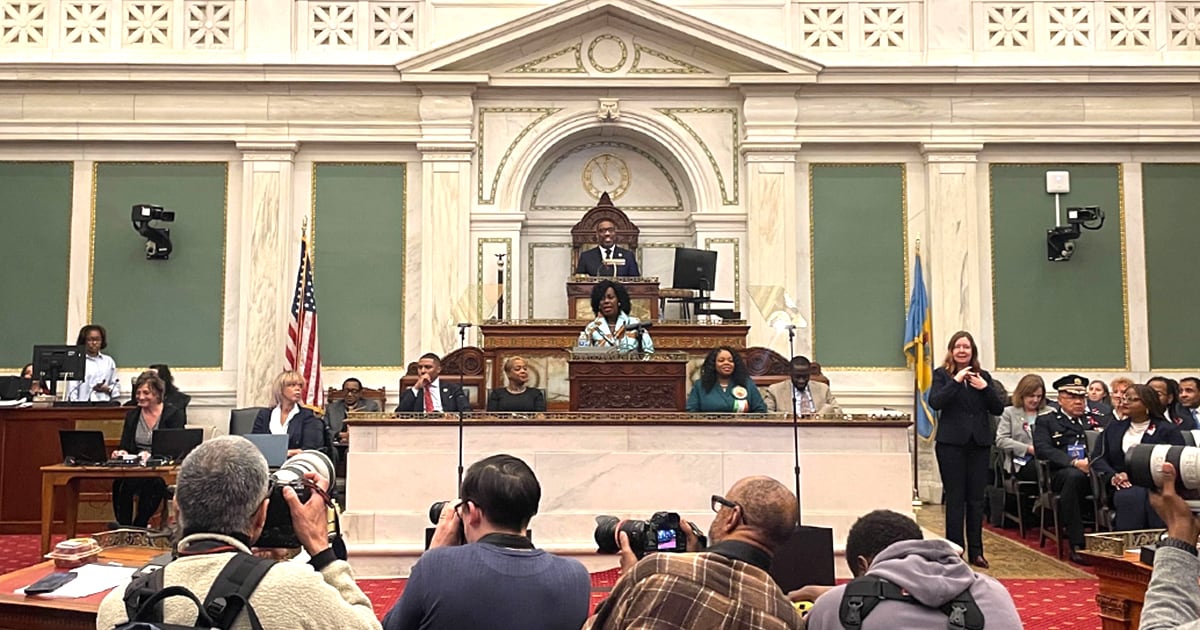
“We are all aware that the school district is facing a financial crisis,” Parker said Thursday. She said she is committed to ensuring Philadelphia schools are adequately funded, but wants the state to contribute more.
The state has increased funding to Philly’s schools in recent years, and Democratic Gov. Josh Shapiro recently proposed an increase of $151 million. But that would still leave the district with more than $1 billion less than what a state commission has determined it would need to adequately educate its students.
We’re here to help.
Every day, Chalkbeat Philadelphia reporters are answering your questions, following the money, and digging into what’s happening in the city’s public schools. Keep up with our free newsletter, delivered every Wednesday and Friday morning.
“It’s the state’s constitutional responsibility to deliver a thorough and efficient public education,” Parker said. But she added that the city will continue to raise local revenue to support schools.
Her remarks underscore the district’s difficult predicament as it makes the case for more funding. Philadelphia is the only district in the state that does not have the authority to raise its own revenue through taxes. Instead, it relies on support from local and state officials.
Parker and some members of City Council have said they believe the district’s funding challenge is largely up to the state to solve. But the Republican majority in the state Senate has previously opposed boosting the city’s education funds.
Parker’s budget proposal kicks off a months-long negotiation process with the City Council, which will hold several hearings about the budget. A hearing specifically about school district funding is scheduled for April 22.
The city’s deadline to pass a budget is June 30. The district is expected to release its own budget summary for the upcoming fiscal year later this month.
Rideshare tax for schools would start in 2027
Parker’s proposed additional funding for the school district would come from two changes to tax laws.
A $0.20 tax per rideshare ride, like Ubers and Lyfts, would bring in $9.6 million annually, city officials estimate. That would begin in July 2027.
A modification to tax calculations for cell towers would bring in an additional $2.4 million annually.
Along with the boost to district funding, Parker’s budget proposal includes $6.5 million more for the city’s free pre-K program, known as PHLpreK. That would expand the program by 100 seats to 5,350.
The budget would also expand Parker’s signature “extended-day, extended-year” program, which provides programming to students during the summer and after school, to two additional charter schools. The mayor’s proposed expansion would increase the number of participating schools from 40 to 47 schools. Parker did not say which new schools would get the program.
The proposal would also allocate $250,000 annually for high school students to earn credits at the Community College of Philadelphia through a dual-enrollment program.
This year’s budget comes amid rising fiscal challenges, Parker said. Though the city is projecting to have a larger “rainy day” fund than ever before, its costs are projected to climb while inflation and slow job growth are expected to add strain. Federal relief funding from the pandemic has also run out.
That’s part of why Parker said the focus of this year’s budget is increasing economic mobility — something that education is essential for, she said.
“All our work in the field of education is the foundation to ensure we increase economic mobility,” Parker said. “Every day, we have to be focused on increasing pathways for our children.”
Rebecca Redelmeier is a reporter at Chalkbeat Philadelphia. She writes about public schools, early childhood education, and issues that affect students, families, and educators across Philadelphia. Contact Rebecca at rredelmeier@chalkbeat.org.