
Spring officially begins this week and for many that means allergies. But there are steps you can take now to minimize the symptoms.
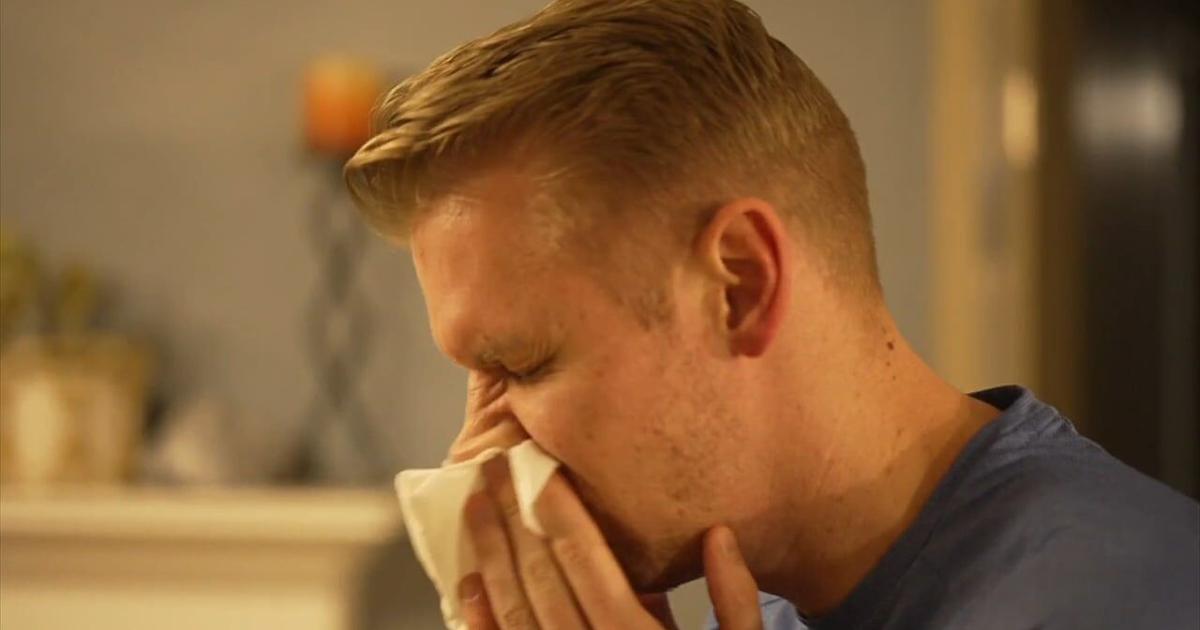
Plants have started to bloom, a welcome sight for many, but they’re also the source of sneezing, runny noses and watery, itchy eyes for some.
“So, every year allergy season is getting worse because it’s getting warmer. Pollen season is lasting longer, so I would say it’s probably going to be as bad as last year, if not worse,” said Dr. Megan McCarty, an allergist with LVHN.
If you know you’re a seasonal allergy sufferer, doctors recommend taking precautions now.
“I think the most important thing you can do if you know that you have seasonal allergies in the spring is to start medications early, and that would include nasal steroids and oral antihistamines,” said Dr. Michael Ciliberti, an allergist with Center for Allergy & Asthma Care in Allentown.
“I typically recommend around Valentine’s Day starting to get things on board,” said Dr. McCarty. “You’re not too late if you’re starting now but really try to take those medications as early as possible dipping down the allergy response.”‘
Doctors say trees are starting to pollinate now, followed by grass in April. They say April and May are peak season.
“Keeping the windows closed in the house at all times throughout the spring is very important,” said Dr. Ciliberti.
Once it is peak season, allergy sufferers may want to consider wearing a mask while gardening or mowing.
“Just to prevent some of the pollen from getting into your nose, same with mowing the lawn,” said Dr. McCarty. “You can also wear sunglasses to minimize that kind of exposure too.”
As for the future, doctors say they are learning more and more about the allergic and immune response, and scientists are close to developing drugs that could completely prevent allergies.