
HARRISBURG NEWSROOM ON THOSE IDEAS. TOM? YEAH, MICHAEL, THE HOUSE ENERGY COMMITTEE TALKING ABOUT TWO IDEAS. ONE OF THEM WOULD TELL POWER COMPANIES TO INCENTIVIZE USING ENERGY FROM SOLAR PANELS, OR MAYBE THEM LETTING YOU TURN DOWN YOUR AC USAGE A BIT ON A VERY HOT DAY TO KEEP THEM FROM HAVING TO USE MORE EXPENSIVE POWER SOURCES TO KEEP THE GRID AFLOAT. THE OTHER IDEA PUSHES POWER COMPANIES TO SEE IF THEY CAN’T DO MORE WITH THEIR EXISTING SYSTEMS, BEFORE ASKING RATEPAYERS TO SUPPORT BIG NEW POWER LINES. BIG POWER TRANSMISSION LINES CAN CARRY A LOT OF POWER. BUT COULD UTILITIES DO MORE WITH WHAT THEY ALREADY HAVE? THERE ARE UPGRADES THAT WE COULD DO TO THOSE LINES. WE COULD USE NEW SORTS OF MATERIAL TO BE ABLE TO TRANSFER MORE ENERGY ACROSS THOSE EXISTING SPACES. REPRESENTATIVE ELIZABETH FIEDLER’S BILL WOULD REQUIRE POWER COMPANIES TO HAVE TO CONSIDER MORE COST EFFECTIVE SOLUTIONS WHEN THEY APPLY TO THE STATE TO BUILD NEW TRANSMISSION LINES. ANOTHER PROPOSAL WOULD REQUIRE UTILITIES TO ESTABLISH SYSTEMS CALLED VIRTUAL POWER PLANTS, AND ALLOW CUSTOMERS TO VOLUNTARILY ENROLL DEVICES LIKE HOME BATTERIES, SMART THERMOSTATS AND EV CHARGERS THAT COULD REDUCE THEIR POWER USAGE WHEN ELECTRIC DEMAND IS AT ITS HIGHEST AND MOST EXPENSIVE, BUT JUST A SMALL AMOUNT DURING PEAK USAGE TIMES. NOW, THE UPSIDE HERE WOULD BE THAT YOU COULD POTENTIALLY GET COMPENSATED OR POTENTIALLY SEE INCENTIVES LIKE A CHEAPER BILL. IF YOU WERE TO OPT IN. REPUBLICAN CHAIRMAN FOR THE COMMITTEE DECLINED AN ON CAMERA INTERVIEW, BUT NOTED THE PROPOSALS THEMSELVES DON’T NECESSARILY DEAL WITH THE ISSUE OF PRODUCING MORE POWER HERE IN TH
Pennsylvania lawmakers discuss proposals to limit increasing electric bill costs

Updated: 9:22 PM EDT Mar 16, 2026
Pennsylvania House lawmakers convened at the state Capitol in Harrisburg to explore two proposals aimed at reducing electric bills by enhancing grid efficiency and employing smart technology.The Energy Committee reviewed measures that could potentially offer compensation or incentives, such as cheaper bills, for those who opt in.Details of the proposalsOne proposal would require utilities to enhance their grids’ efficiency and capacity using advanced transmission technologies before constructing new high-capacity lines, which often result in ratepayers bearing the cost. “That would ideally save people money because they wouldn’t have to be paying for building out new transmission lines would be able to use what we already have, and we wouldn’t have to have discussions, sometimes debates, sometimes fights and arguments about putting in more lines. We would be able to use what we already have, use it smarter, and save people money,” said the bill’s sponsor, Rep. Elizabeth Fiedler, D-Philadelphia. The second bill, authored by Rep. Nate Davidson, D-Harrisburg, would mandate utilities to develop programs that utilize smart technology, such as thermostats, rooftop solar, and batteries, to generate or conserve electricity during peak demand times, which may require expensive “peaker plants” to be used to cover demand. Virtual power plantsThis system, known as virtual power plants, could allow customers to voluntarily enroll devices like home batteries, smart thermostats, and EV chargers to reduce power usage during high-demand periods, such as hot summer days.”Now we’re not talking about a lot. You wouldn’t suddenly be very cold in the winter. But just a small amount during peak usage time,” Fiedler said.The Republican chairman of the committee declined an on-camera interview, but noted that the proposals do not directly address the issue of power production itself.
HARRISBURG, Pa. —
Pennsylvania House lawmakers convened at the state Capitol in Harrisburg to explore two proposals aimed at reducing electric bills by enhancing grid efficiency and employing smart technology.
The Energy Committee reviewed measures that could potentially offer compensation or incentives, such as cheaper bills, for those who opt in.
Details of the proposals
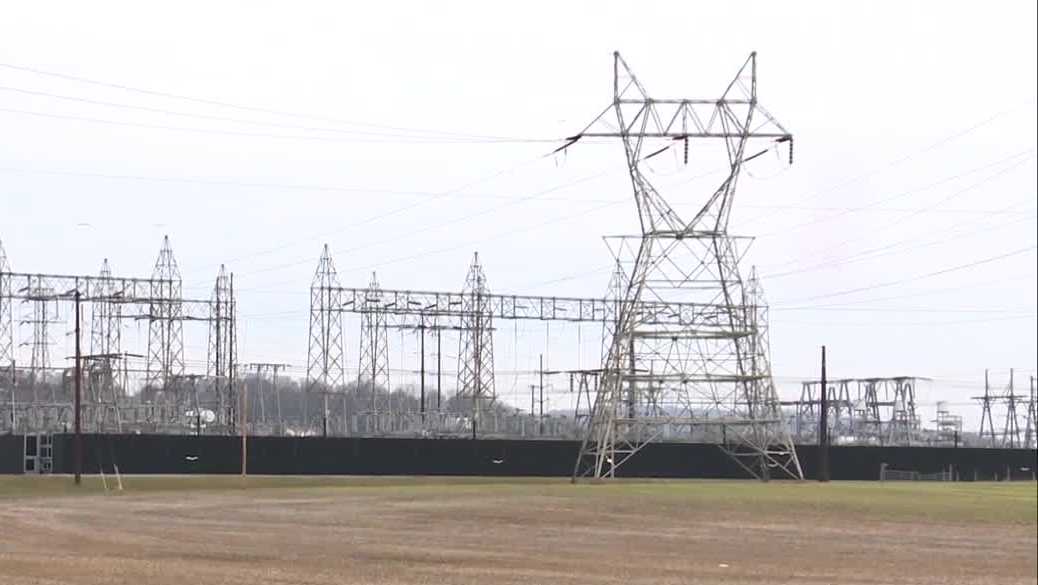
One proposal would require utilities to enhance their grids’ efficiency and capacity using advanced transmission technologies before constructing new high-capacity lines, which often result in ratepayers bearing the cost.
“That would ideally save people money because they wouldn’t have to be paying for building out new transmission lines would be able to use what we already have, and we wouldn’t have to have discussions, sometimes debates, sometimes fights and arguments about putting in more lines. We would be able to use what we already have, use it smarter, and save people money,” said the bill’s sponsor, Rep. Elizabeth Fiedler, D-Philadelphia.
The second bill, authored by Rep. Nate Davidson, D-Harrisburg, would mandate utilities to develop programs that utilize smart technology, such as thermostats, rooftop solar, and batteries, to generate or conserve electricity during peak demand times, which may require expensive “peaker plants” to be used to cover demand.
Virtual power plants
This system, known as virtual power plants, could allow customers to voluntarily enroll devices like home batteries, smart thermostats, and EV chargers to reduce power usage during high-demand periods, such as hot summer days.
“Now we’re not talking about a lot. You wouldn’t suddenly be very cold in the winter. But just a small amount during peak usage time,” Fiedler said.
The Republican chairman of the committee declined an on-camera interview, but noted that the proposals do not directly address the issue of power production itself.