
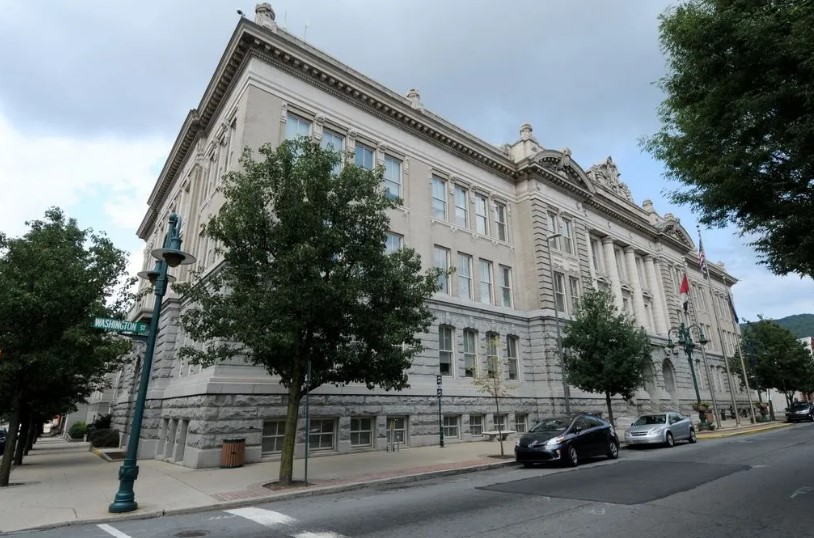
Reading ended 2025 with a significantly smaller deficit than anticipated, the city’s acting finance director said.
“We are looking at realizing a deficit of about $3 million for 2025,” Interim Finance Director Joseph Famiglietti told City Council. “We budgeted at a $9.6 million deficit. So we did do better than anticipated in 2025.”
Famiglietti, who stepped into the role about two weeks ago after previously serving as the city’s accounting manager, presented an overview of the city’s year-end finances Monday at council’s committee of the whole meeting.
The improved result was driven largely by stronger-than-expected revenue in several key areas, he said, including earned income and real estate transfer taxes, which each exceeded prior-year totals by roughly $2 million.
In addition, emergency medical service user revenue increased by about $2 million in 2025, he said, largely because regular collections resumed after a pause from April to September in 2024.
The interruption, he said, stemmed from a cyber incident affecting the company responsible for collecting those payments.
“So we were able to catch up on those collections in 2025,” he said.
The gains helped offset rising costs, particularly in employee compensation, Famiglietti noted.
“Salaries and fringes were about $6 million higher in 2025 than they were in 2024,” he said, attributing the increase to contractual wage adjustments and the city filling long-standing vacancies.
Despite the gains, some revenue streams declined, he noted, including interest income, which fell as bank interest rates dropped.
Asked by Councilman Jaime Baez Jr. about the decreases, Famiglietti noted he is still working through the city’s full financial picture and was unable to immediately provide details.
“I’ve only been acting finance director for about two weeks,” he said. “I’m drinking from a fire hose right now.”
Famiglietti told council that improving financial monitoring and transparency will be a major priority in 2026.
One change already scheduled is a series of quarterly financial reports to council that will compare budgeted and actual spending.
“So you have a better picture of the finances throughout the year,” he said.
He also said the finance department plans to improve the way expenses are categorized and reported. Some spending currently listed under broad categories such as other expenses will be more clearly classified, he noted.
“I don’t like using miscellaneous or other expenses as those classifications,” Famiglietti said, explaining he has encouraged departments to place costs in more specific categories.
Council members also raised questions about increasing transparency in departmental spending, including more detailed reporting on contracted services and other expenditures.
Famiglietti agreed that additional clarity would benefit both council and the public.
“I do believe that the clarity coming to you at council is very important,” he said, adding that the city plans to request more itemized information from departments as part of future budgeting and reporting.
City Auditor Maria Rodriguez agreed the city’s revenue performance was strong overall despite the remaining deficit.
“On the revenue side, the city did very, very well overall,” she said during the meeting.
Managing Director Jack Gombach expressed confidence in Famiglietti as he steps into the role.
“We’re just very excited to have Joe stepping into this interim role,” Gombach said. “He drew the short straw, but I think he’s doing a fantastic job already, outlining some strategies that he wants to flesh out on cost saving.”
While the city still faces fiscal challenges, officials said the improved year-end results and stronger monitoring of revenues and spending could help the administration and council better manage future budgets.