
Spring in Pittsburgh isn’t quite linear. It bursts in with cheery daffodils and cherry blossoms, then doubles back with a cold snap just to keep things interesting. This round of restaurant openings feels the same.
Every month, I go looking for a pattern. Sometimes it’s pretty obvious — a run of wine bars, a fixation with pizza, a wave of chefy small plates. This time though, nothing lines up neatly. The openings are a scattershot, each one answering a different need.
Downtown, a former Freshii has been flipped into a fast-casual café built for the workday crowd. In Garfield, a queer, sober café is carving out space for community, conversations, crafting and late-night hangouts without alcohol at the center. A sushi spot Downtown has added a dedicated omakase upstairs for those looking for immersive experiences, while a teahouse above Forbes Avenue in Squirrel Hill is pouring harder-to-find teas from China, Taiwan and Japan. In Oakmont, a new restaurant leans into brunch and comfort food.
A beloved food truck has gone brick-and-mortar with a Cuban spot in McKees Rocks; a ramen shop opened on Brookline Boulevard, and a Yemeni café is serving everything from Adeni tea to lamb haneeth in the same neighborhood. There’s even a Grateful Dead–inspired bistro just outside the city.
With a mix of formats, neighborhoods and intentions, these openings are as much about who they’re for as what’s on the menu.
Openings
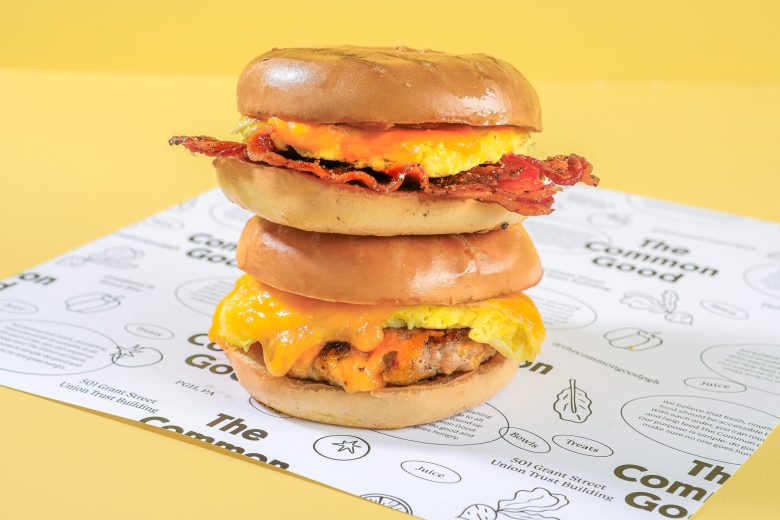 A breakfast sandwich from The Common Good, Downtown. Photo by Laura Petrilla courtesy of The Common Good.
When the Davis Cos. began looking for a tenant to fill the former Freshii space inside the Union Trust Building, restaurateur and Realtor Herky Pollock was originally tasked with finding someone else to take it. Instead, he ended up creating the concept himself.
“The tenants in the building had a very specific wish list,” Pollock says. “They wanted smoothies, açaí bowls, soups, salads, sandwiches, desserts — everything. No one really does all of that in one place, so eventually I said, ‘I’ll just do it myself.’”
Now open for breakfast and lunch, The Common Good serves a broad fast-casual menu built for the Downtown workday. Customers can customize salads, sandwiches, smoothies and bowls, alongside items like an ahi tuna bowl, berry crunch salad, deviled egg sandwich on brioche, spicy tofu banh mi, breakfast burritos, smoothie and açaí bowls, plus coffee, juices and grab-and-go desserts.
Pollock says many ingredients mirror those used at nearby Ritual House, just adapted for a quicker format. “High-quality food can be fast,” he says.
True to its name, the café also encourages customers to round up their bill or contribute toward meals for people in need. “The Common Good is about the employees, the neighborhood and the community,” Pollock says. “It’s our way of paying it forward.”
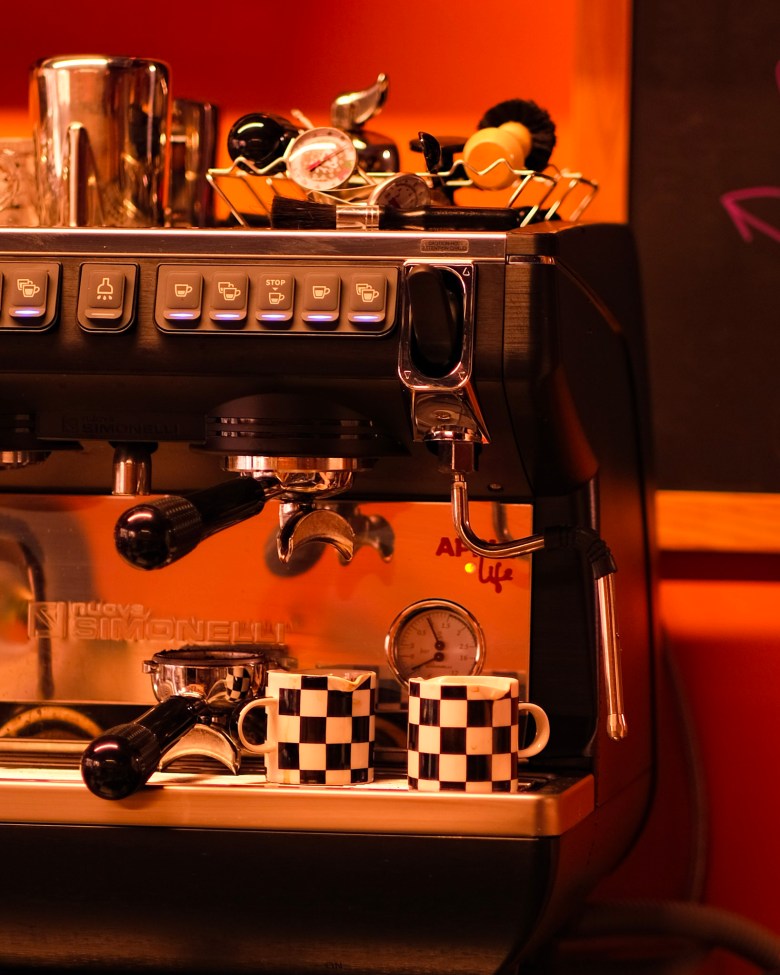 Photo courtesy of Milk @_milking_
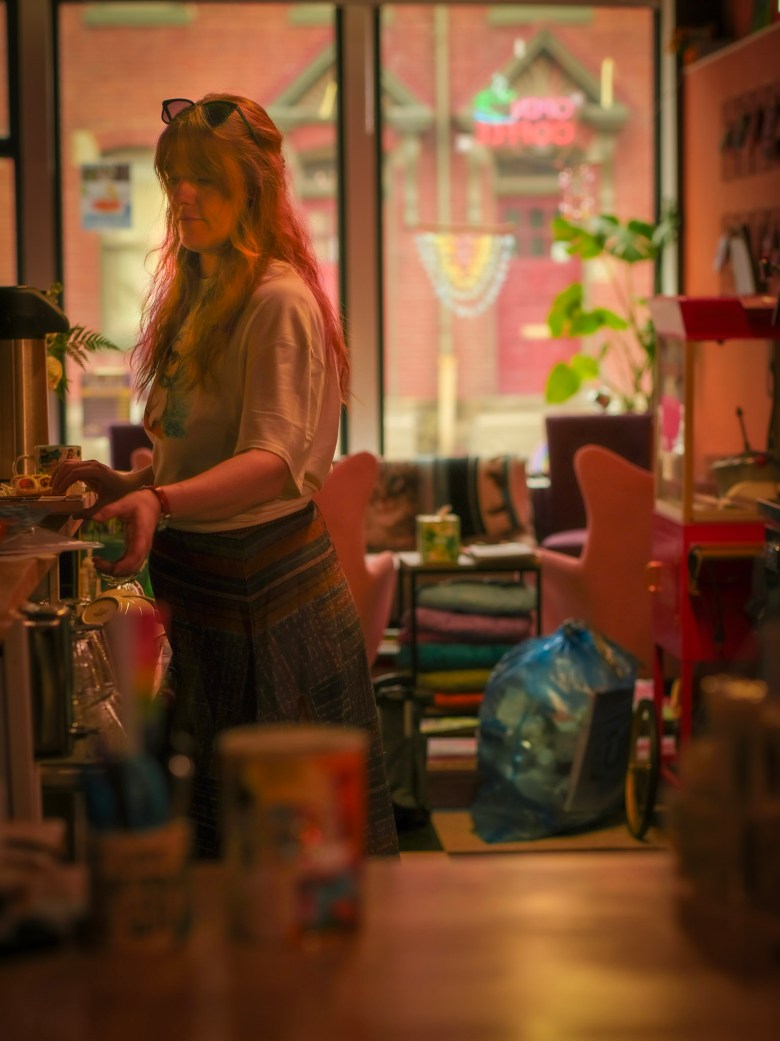 The Soft Spot in Garfield. Photo courtesy of Milk @_milking_
A new queer café in Garfield is carving out space for something softer. The Soft Spot, founded by Aerin Adams and their wife Samm, is designed as a sober, community-driven gathering place centered on the sapphic community.
“Our dream was not necessarily unique,” Adams says. “So many queer folks dream of creating a space for community, a chance to build family and serve those with similar struggles.”
The idea grew more urgent after Adams lost a job and watched attacks on queer and trans communities intensify. “The space felt vital. Less dream, more need,” Adams says.
The café serves classic coffee drinks alongside specialty beverages, nonalcoholic cocktails curated by The Open Road, baked goods from Pigeon Bagels, and spritzers for late-night hangouts. The focus isn’t alcohol. “There are already such wonderful queer spaces to grab a drink,” Adams says. “We are hoping to offer something different, a softer space — open to people under 21, families, queers looking for conversation and crafting.”
Programming is community-first: Expect a queer horror meetup, board game nights, book club, writing groups, story hour and craft-and-coffee gatherings. Upcoming events include a TBoy Mixer on March 26, along with multiple shows tied to the Pittsburgh Fringe Festival.
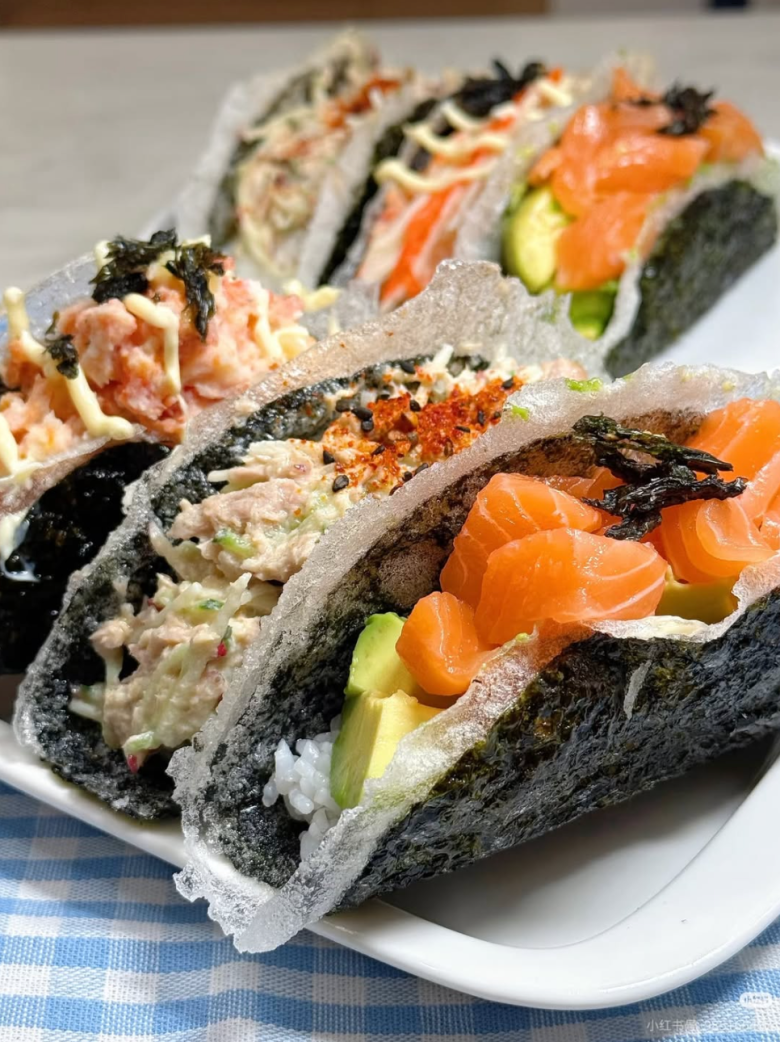 Photo courtesy of Okane Sushi Bar and Omakase.
Open since January, Okane recently introduced a second-floor omakase that expands on its downstairs menu with a more structured, multi-course experience. Offered in 16, 18, and 20 courses, the tasting moves through a wide range of textures and formats rather than sticking to a strictly traditional progression.
Okane’s version of omakase is as much about fun as it is about finesse. It kicks off with richer, snacky bites like tempura wakasagi, abalone rice, salmon belly tart and lobster salad, before settling into a steady rhythm of sashimi and nigiri — yellowtail, toro, sweet shrimp, eel, scallop, madai, tuna, and aji, all served piece by piece at the counter.
Then just when you think you’ve found your groove, something indulgent shows up — uni dumplings, an oyster topped with ikura, even A5 wagyu. It wraps with glutinous sesame mochi, soft and slightly sweet.
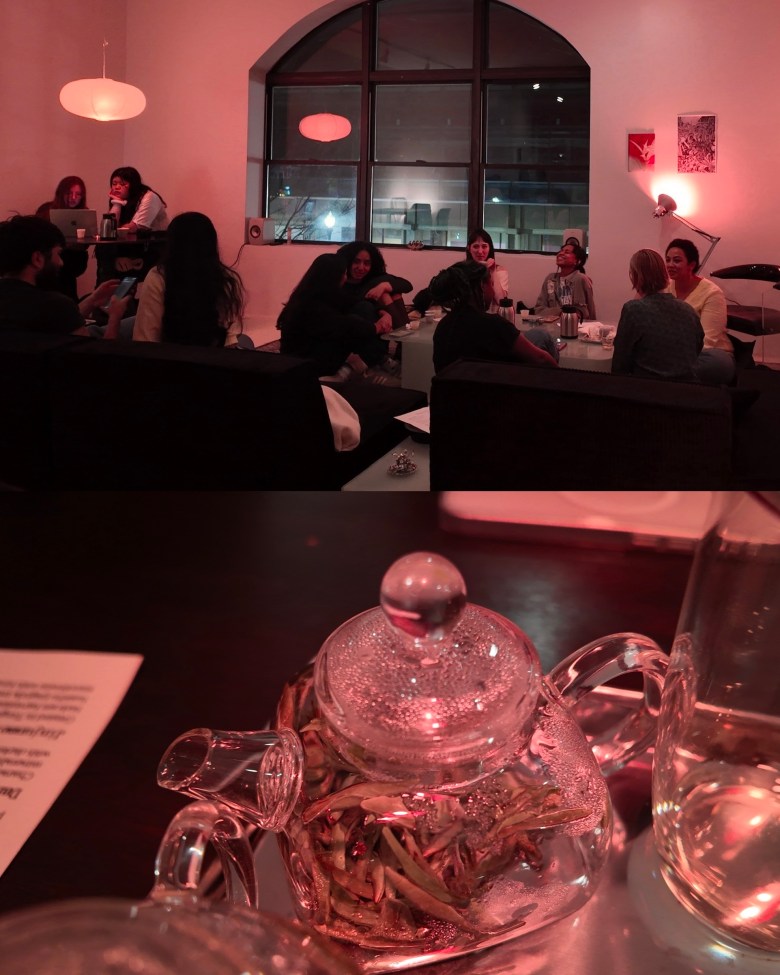 Photo courtesy of Peel.
5806 Forbes Ave., Second Floor, Squirrel Hill
A new tea spot is steeping something different above Forbes Avenue. Peel, a Chinese tea house founded by Carnegie Mellon graduate Clarice Du, grew out of a college research project that turned into a deeper dive into tea culture.
“I was researching tea and the history behind it,” Du says. “Then we realized how hard it was to actually source Chinese tea and try the things we were studying.”
Now in a soft opening, the upstairs café focuses on teas from China, Taiwan and Japan, with plans to expand into selections from India and Korea. A small food menu is also on the way, featuring traditional Chinese snack foods like ice jelly with fermented sweet rice, ye’erba, and chunjuan.
The goal, Du says, is simple: Bring teas that are hard to find in Pittsburgh into a space where people can slow down and explore them.
A new Grateful Dead–inspired restaurant from chef Richie Matsko opened in February inside the B&D Creekside Activity Center in Latrobe.
The menu leans into approachable comfort food with playful nods to the band, including dishes like the Fast Eddie smashburger, Let It Grow zucchini planks and Dark Star salmon salad, alongside wings, sandwiches and other bar-food staples. The space also features artwork from regional artists.
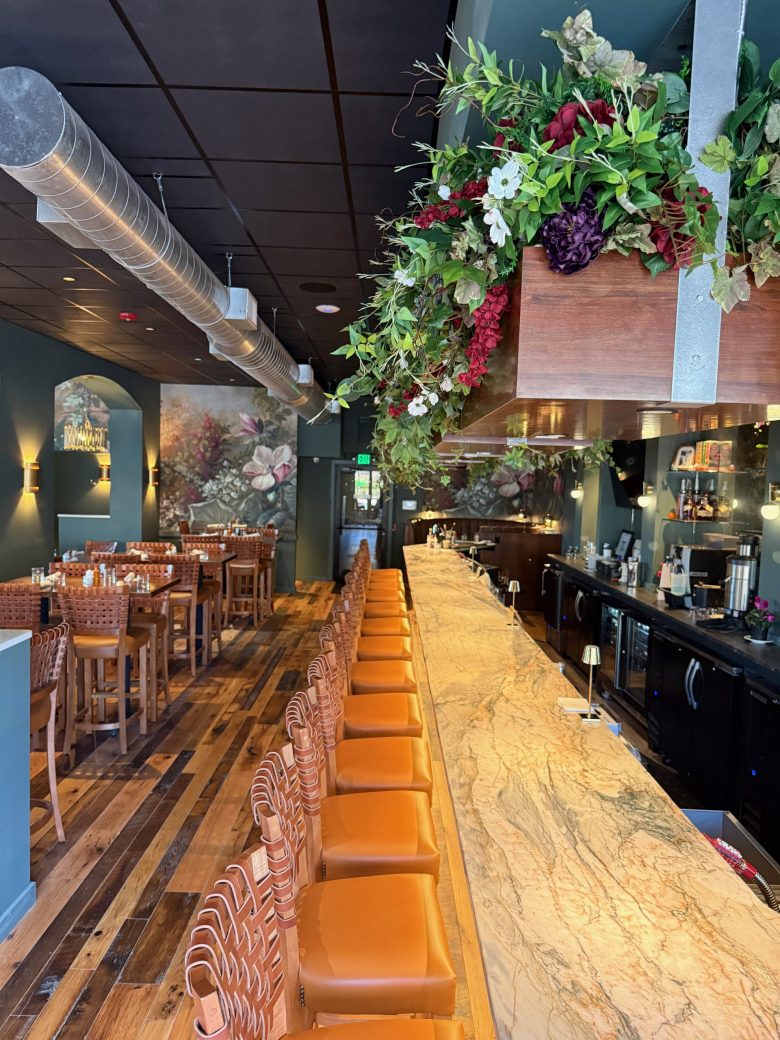 Photo courtesy of Abode.
Abode Kitchen & Bar is a new Oakmont restaurant built around nostalgic, memory-driven comfort food. The menu spans multiple influences, with brunch as the current focus — Turkish eggs, banana-Nutella French toast and more substantial options alongside familiar favorites.
The bar includes a Fruity Pebbles milk punch, a Krispy Kreme-infused rye cocktail called Coffee and a Donut and a house V8 Bloody Mary, plus rotating seasonal nonalcoholic juices. The room features wood and leather finishes, bold murals and a floral installation running the length of the bar.
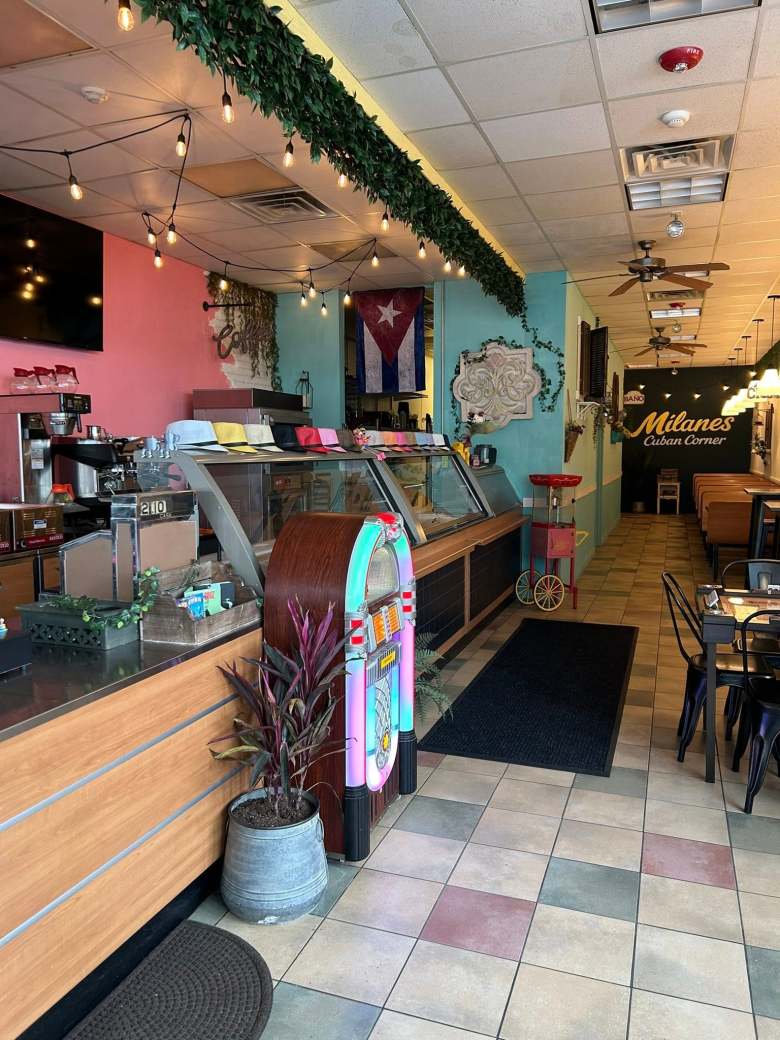 Inside Milane’s. Photo courtesy of Milane’s.
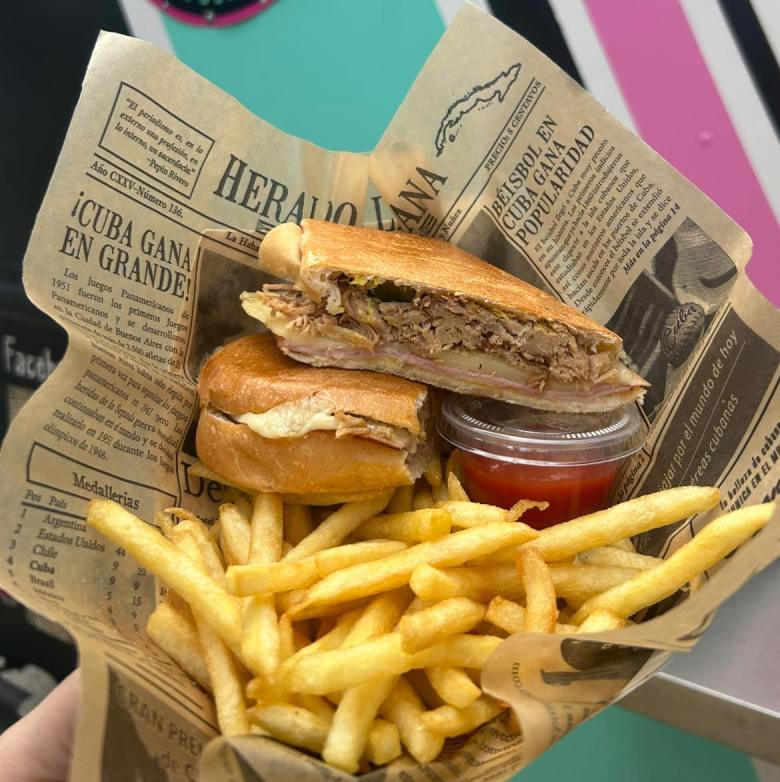 Photo courtesy of Milane’s.
The husband-and-wife team behind Milane’s Mobile food truck has opened a brick-and-mortar spot in McKees Rocks.
The space leans into a 1950s Havana alleyway vibe, with handpainted murals and faux windows and doors. The menu draws from family recipes — a Cuban sandwich on housemade bread with 12-hour roasted pork, a completa with rice, black beans, picadillo, and fried plantains and empanadas made using the owner’s mother’s dough recipe.
Brookline Boulevard just got a new spot for noodle lovers. Asahi Ramen serves classic Japanese ramen in a casual setting, with a menu centered on tonkotsu and Tokyo-style bowls, alongside dumplings and small bites.
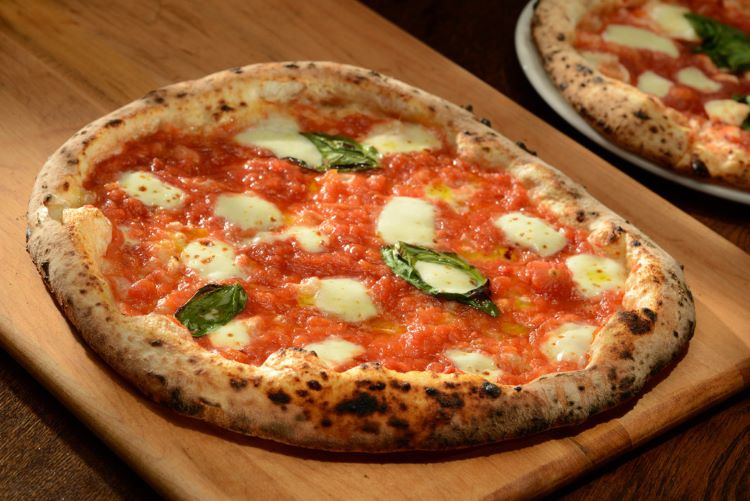 Photo courtesy of Pizzaiolo Primo.
Pizzaiolo Primo is expanding east with a new location in Murrysville. The menu focuses on Neapolitan-style pizzas, housemade pastas and rustic Italian fare, with a wood-fired oven imported from Italy anchoring the space.
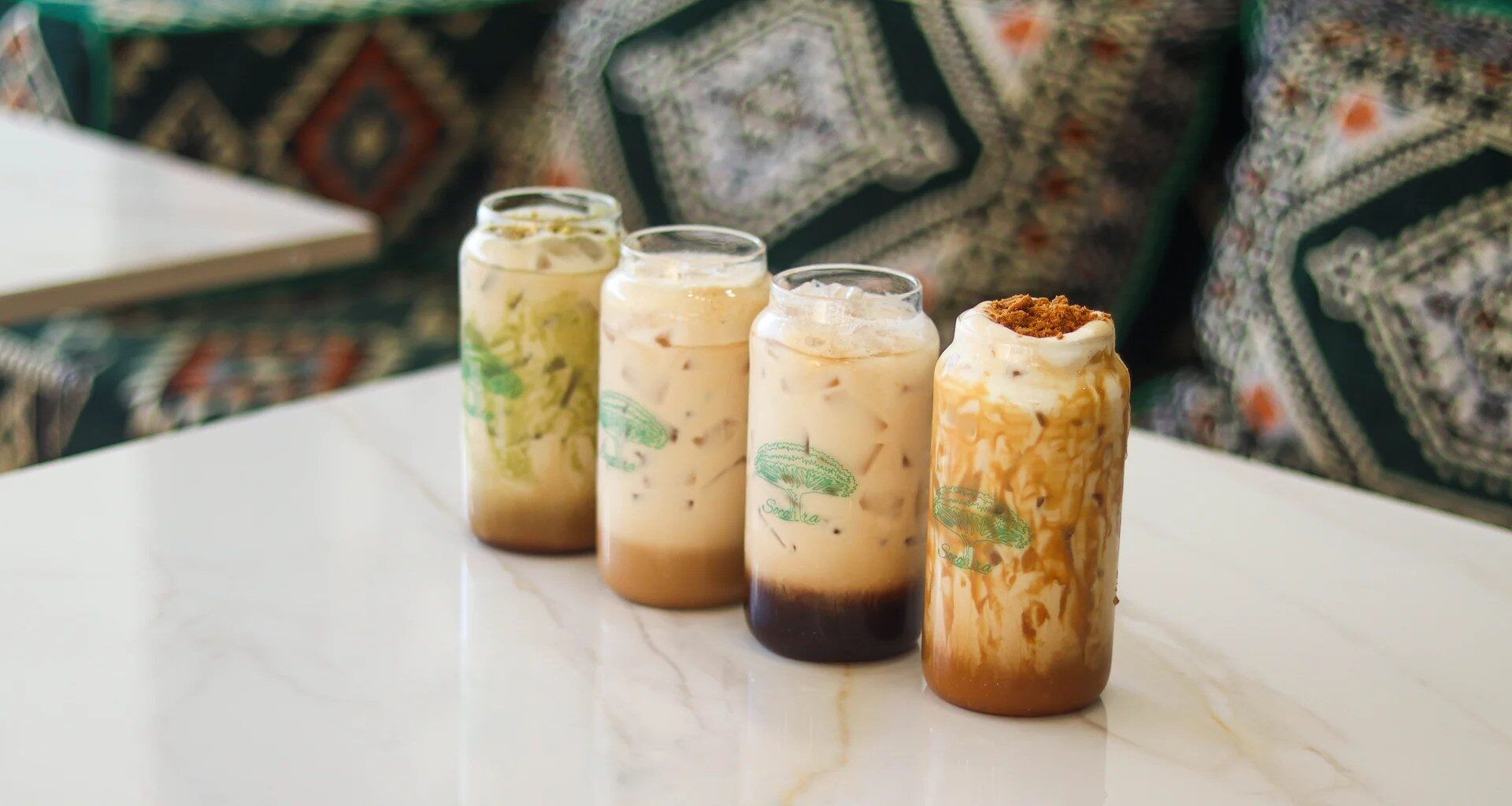
Socotra Cafe & Grill has opened on Brookline Boulevard, bringing a Yemeni-style coffeehouse and full kitchen to the neighborhood.
The menu ranges from Adeni tea and pistachio lattes to honey-drizzled pastries, alongside heartier dishes like shawarma, falafel and rice plates including lamb haneeth and zurbian.
Closings
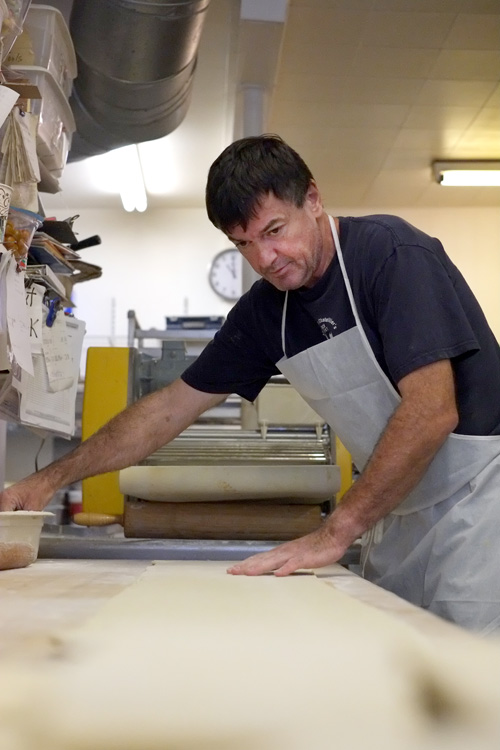 Jean-Marc Chatellier in his Millvale shop in 2014. Photo by Brian Cohen.
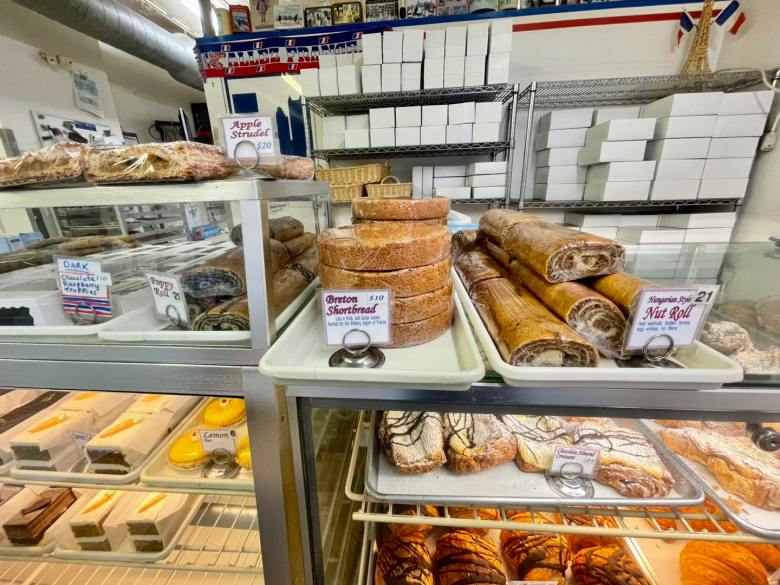 Photo courtesy of Jean-Marc Chatellier’s French Bakery.
After more than three decades of croissants, baguettes, and buttery Breton pastries, Jean-Marc Chatellier’s French Bakery closed its Millvale shop in late February. The beloved neighborhood bakery opened in 1992 and built a devoted following for its traditional French breads, delicate pastries and cakes made by French-born baker Jean-Marc Chatellier. The final weekend drew long lines of customers hoping to grab one last croissant before the ovens shut down for good.
The Sly Fox Brewing pub at The Highline has closed after about three years, citing evolving market conditions. The Downtown location remains open.
The Club Cafe Coffeehouse, a daytime café launched inside the longtime South Side music venue last fall, has closed after about five months in operation. Ownership announced the closure in March to refocus on Club Cafe’s core live music programming.
The longtime breakfast spot Eggs-R-Us has closed after about 20 years in business, ending its run as a West End staple.