
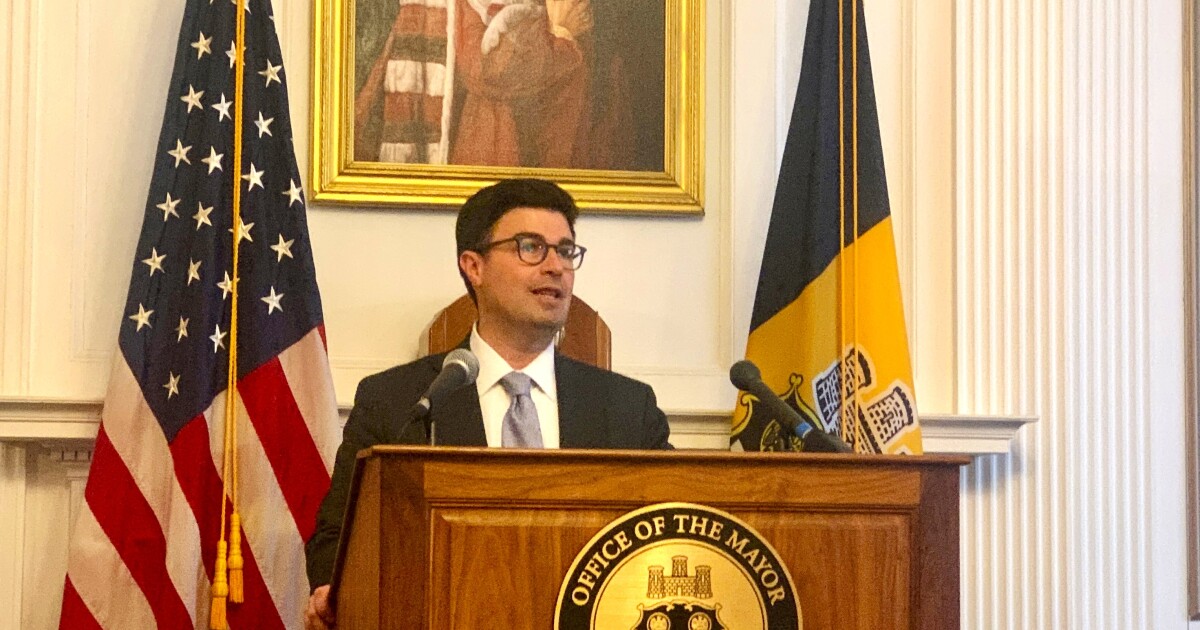
After sounding the alarm on Pittsburgh’s 2026 budget earlier this month, Mayor Corey O’Connor is proposing a slew of changes to the city’s financial plan for the year.
O’Connor’s proposed amendments, set to be introduced to Council on Tuesday, would reopen the budget, and would withdraw additional $6.5 million from the city’s coffers this year to balance out the revised spending estimates.
“ We know that 2026 in particular, and the next several years are financially challenging for the city. Mayor O’Connor believes the only way we address that problem is when we admit we have the problem and start working with City Council and the Controller to solve it,” said O’Connor’s chief of staff, Dan Gilman. “This proposed budget lays out actual costs and real revenue expectations for the city.”
Some of the largest additional expenses are driven by increases in health care costs, which total $18 million. Gilman says $5 million of that amount reflects the fact that the current version of the budget, which was drafted by previous Mayor Ed Gainey, underestimates rising health care expenses.
Based on increases the city has seen and anticipates, Gilman said, “There was just a gross undercalculation on the reality of health care costs in America.
“ We wanna be honest and transparent with the public and show accurate budgets,” Gilman added. So we’re gonna show real healthcare costs going forward.”
Gilman says the remaining $13 million in additional health care costs stem from O’Connor’s more cautious approach to the use of money set aside to cover such costs. The current version of the budget, he said, withdraws $12 million from one such fund to cover the current year’s costs — an amount that he says risks depleting the fund. O’Connor would draw down only half that much this year, preserving the fund for the future but requiring additional spending from the city’s general fund now.
O’Connor would also spend some additional money to replenish a separate account used to pay out health care claims.
Other additional expenses in the budget include $2.25 million in additional funds for snow removal needed to clear a major snowstorm in January. The plan also sets aside an additional chunk of around $5.8 million for legal settlements over the next five years, and $8 million over the next two years alone for settlements in the case of the city’s former facility usage fee, also known as the jock tax.
The O’Connor administration has said that Gainey’s budget did not set enough money aside to cover judgments against it, and didn’t adequately prepare for the likelihood that performers who previously paid the “jock tax” would seek refunds after state courts found the levy unconstitutional last year.
The changes aren’t all doom and gloom: Gilman says they also include an $8 million windfall in 2025 payroll preparation taxes, which weren’t collected until earlier this year. That additional revenue helps cover some of the added expenses in the budget.
“There was a not insignificant amount of payroll preparation tax that could have or should have been collected in 2025 that was not, that was collected in 2026 first quarter,” he said. “ So we’re able to adjust the projections from last fall with better numbers to reflect what we now believe will actually come in this year.”
Other changes in the proposal reflect not imminent emergencies, but a change in priorities under the O’Connor administration. Those include the creation of a number of new positions, such as a Deputy Director to head up an Office of Youth & Families for $141,708 this year, and allocate $50,000 for the new department in 2026. Another new position is a Head of Wellness for the Bureau of Police, which is set to cost the city around $95,000 this year.
Gilman said the cost of the new positions will be more than offset by the deletion of jobs currently vacant.
“ If you look at those additions and the positions we eliminate in the budget, it actually is net positive,” he said. “There are savings from the personnel changes.”
City Controller Rachael Heisler weighed in on the changes in a statement late Monday afternoon. She said she was glad the amendments addressed shortcomings in legal settlements, employee benefits, and maintenance, but cautioned against using the city’s fund balance as a “revenue substitute.”
“This cannot become a regular practice,” she said. “The fund balance is our budgetary lifeline. I urge Council and the Mayor’s Office to develop a detailed plan to reduce our dependence on our fund balance in the years ahead.”
Heisler also revisited a previous debate over a practice used by the Gainey administration and continued in O’Connor’s amendments.
Gainey’s budgets treated some expenditures not as costs but as transfers into trust funds designated for specific purposes, like affordable housing or violence prevention. That had the effect of making the budget look balanced, even as it drew down on the city’s cash reserves just as an expenditure would.
Gainey’s administration defended the practice last year, but Heisler repeated her criticism of it on Monday, saying that it left the city’s budget “fundamentally unbalanced.”
O’Connor’s proposed changes will be introduced to City Council at a meeting this Tuesday. City Council must approve any changes to the budget.