
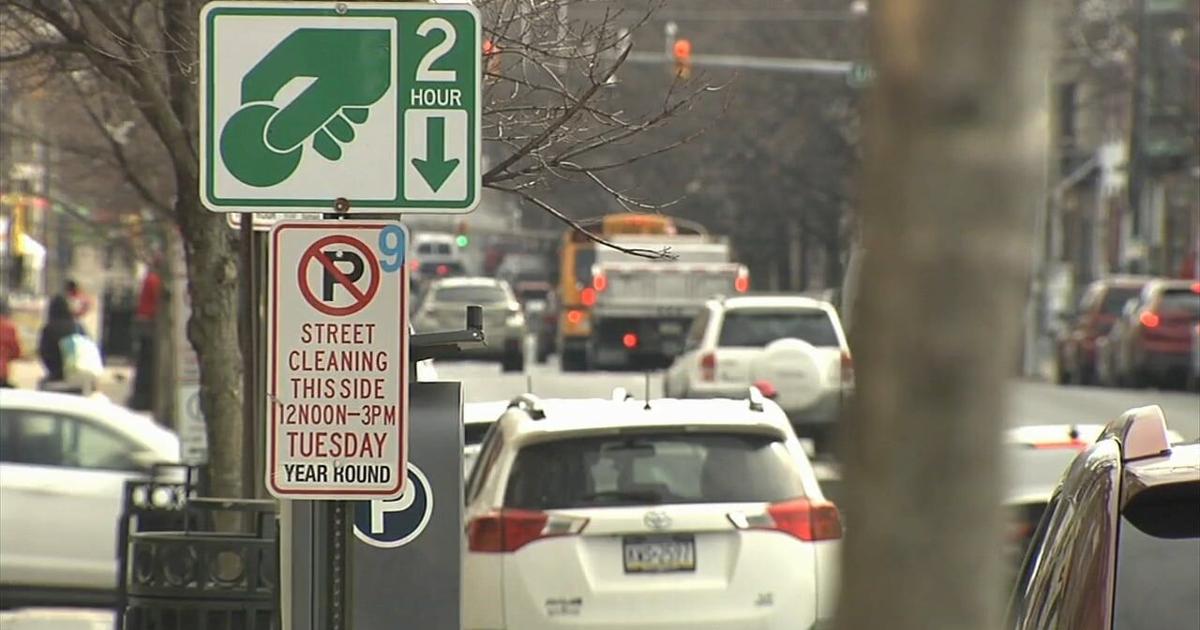
The Allentown Parking Authority Board of Directors received a presentation on a new artificial intelligence parking enforcement platform Wednesday afternoon at Miller Symphony Hall.
WiseSight, an artificial intelligence Columbus, Ohio-based company, would provide APA with a 90-day trial period focused on North Seventh Street double parking violations between Tilghman and Liberty streets. A total of six cameras located on three poles – two cameras on each pole – would be utilized.
“We picked an area where we know there are a lot of violations,” APA Executive Director Jonathan Haney told the board Wednesday afternoon. He added the Authority was not looking at this time to implement the full scope of WiseSight’s AI potential. Haney used a football analogy to demonstrate this by saying he wasn’t calling a reverse Statue of Liberty play but rather would “hand the ball off and run up the middle.”
“It can be a good thing; it can be a bad thing. You know, a good thing that it will generate more money for the city and bad thing for us is we will have to be more careful where we park,” said Allentown resident Fernando Valverde.
Andrew Rinius, WiseSight regional sales manager, said the cameras could be installed over two days. They would also mitigate safety hazards for some APA staff who would not need to patrol areas that could create risks to themselves.
The camera would also reduce monitoring gaps now experienced by the APA.
“Standard operating hours fail to capture frequent violations in mixed-use areas,” Rinius said during his presentation.
Should the trial period result in a deal between the entities, WiseSight said they will provide the Authority sustained revenue increases. This additional money will come from documenting more parking violators than now and from utilizing the increased information to obtain additional funds.
Typcially, the company employs various motorized, static and panoramic cameras which include license plate recognition devices. The WiseSight system uses an AI engine to simultaneously process multiple video streams and images for salient data. Ultimately, this indicates whether a vehicle paid for a parking spot or did not pay for a parking spot either in the present or past.
“We found there’s been a significant increase in both revenue the city has generated, but also compliance. Parking compliance violations have decreased, and safety has actually increased significantly,” said Rinius.
The APA could also increase their revenue through information provided by the system. The Authority will be able to adjust their rates based on vehicle utilization and parking demand. This can be adjusted for pricing during the day and rates at night. APA can also calculate the maximum number of long-term leases the lot can accommodate without turning away higher-value transient business.
“The more technology we can use at the Parking Authority to identify areas that we can free up more parking or create better compliance only will support the public in our downtown,” said Ted Zeller, chair of the Allentown Parking Authority.
Zeller said the Parking Authority will be speaking with the city about when to start the pilot program on 7th Street, where he said there have been a lot of complaints about double parking.
“I would hope that something be green lit sometime in the next six months,” said Zeller.
WiseSight’s client list includes the Reading Parking Authority, the Erie Parking Authority and the Pittsburgh Parking Authority.
APA officials were directed to meet with City of Allentown officials on the proposal before moving forward.