
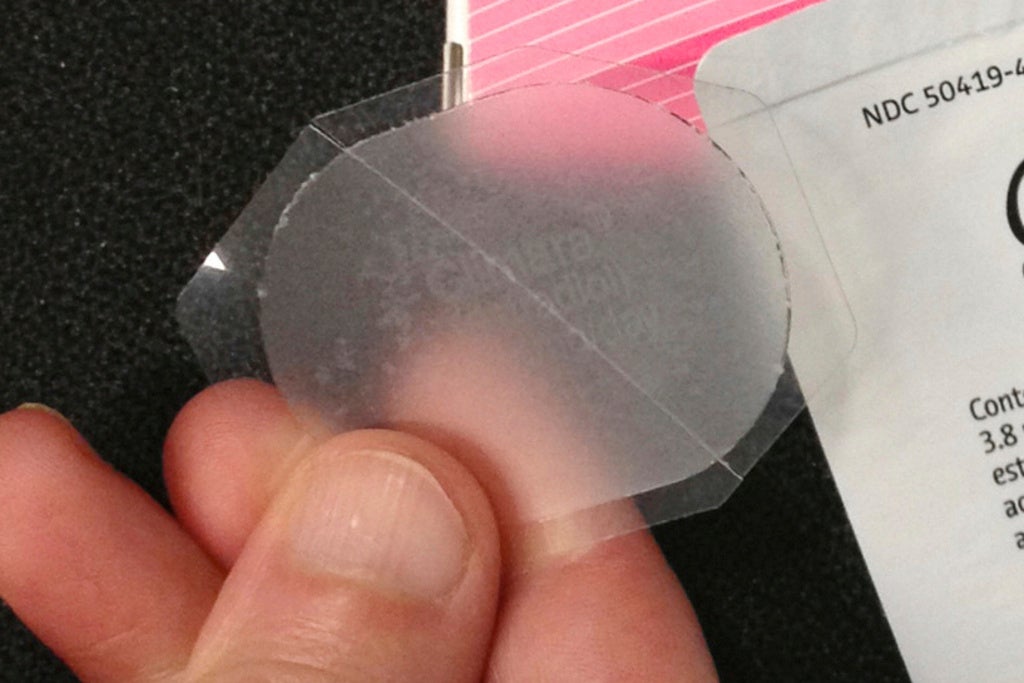
Supply chain issues and patch shortages continue
Motter was able to easily pick up her first prescription of estrogen patches back in August, she said. But by the time she had to refill, her local chain pharmacy didn’t have it in stock.
She drove about an hour away to get her medication at a different chain location. Since then, she’s switched patch brands at least twice and enrolled in the pharmacy program at Costco as she’s had to chase supply.
“It is very stressful when you find something that works for you and improves your quality of life, and then you’re not sure if you can get it again,” Motter said.
Dr. Anna Groysman, an endocrinologist at Penn Medicine, said she is seeing the shortage issues play out daily among the patients she treats in Bucks County.
Groysman and her colleagues often find themselves calling dozens of pharmacies on behalf of their patients, or working with them to find a similar brand and dosing that could work.
In some cases, patients may be eligible to switch to other forms of estrogen hormone therapy, like oral pills, gels, creams, vaginal rings that can emit estrogen or other compounded products.
But the changes are not always simple, Groysman said.
“Just when I found what they need, I’m having to have these women go through a second round of pains in finding what dose works,” she said. “And it really can take six to eight weeks or even longer to see if a given dose works for them. That’s a long time to wait.”
Oral pills also come with slightly higher risks of clotting, stroke and heart attack, Groysman said, and may not be a good option for people with certain chronic conditions. Health insurers are also less likely to cover gels, which are more expensive.
As someone switches products, they may be required to get new prescriptions and prior authorization from their insurer for coverage, which health providers say only creates additional barriers and more delays.
“We’re torturing them with not providing the treatments that they need and deserve and that they’re on already,” Groysman said.
The best thing people can do right now is to work with menopause health care providers to ensure that they find some solution in continuing their hormone therapy, Jordan said. She recommends patients submit a refill request as early as they are allowed to ensure they have time to manage any issues if their pharmacy is out of stock.
“We need to make this easier for women,” she said. “This should not be that hard. But it is right now.”