
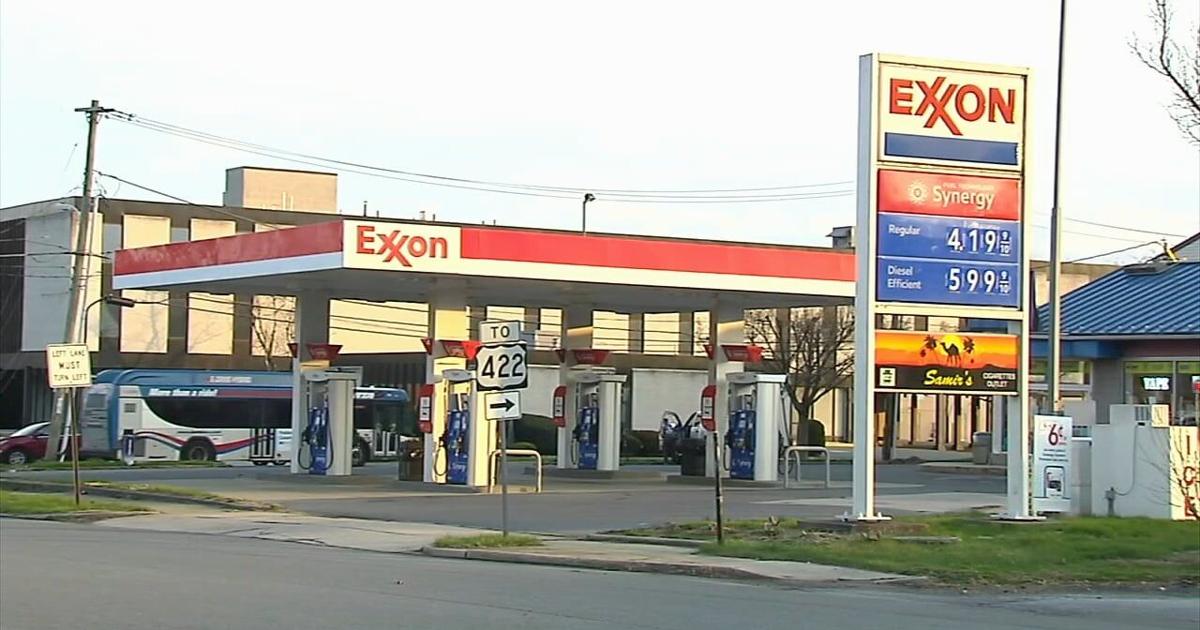
READING, Pa. – The Strait of Hormuz is a narrow waterway in the Middle East where about 20% of the world’s oil passes through every day. And right now, tensions involving Iran and attacks in the region are disrupting that flow.
“As long as uncertainty exists, as long as the Strait of Hormuz is blocked, as long as Houthis in Yemen are attacking any kind of shipping, the oil prices are going to go up,” said Farhad Saboori, economics professor at Albright College.
Saboori said less supply means higher prices.
“It’s not just oil prices, but all derivatives of oil, including fertilizers and plastic — everything else that is related to crude oil is going to go up,” Saboori said.
So that means higher prices for groceries, shipping and everyday goods.
“Things are really getting bad. And people won’t react until not only price of oil goes up, but price of all resources that are used to produce, from plastic to fertilizers, starts to go up. It’s going to affect farming,” Saboori said.
So, what’s next?
“The key issue is to reduce the pain of all the suffering on all sides in the Strait of Hormuz and Persian Gulf,” Saboori said. “And that would bring, probably, oil prices to a more reasonable level. $70 a barrel was average. Now it’s close to $95 for West Texas.”