
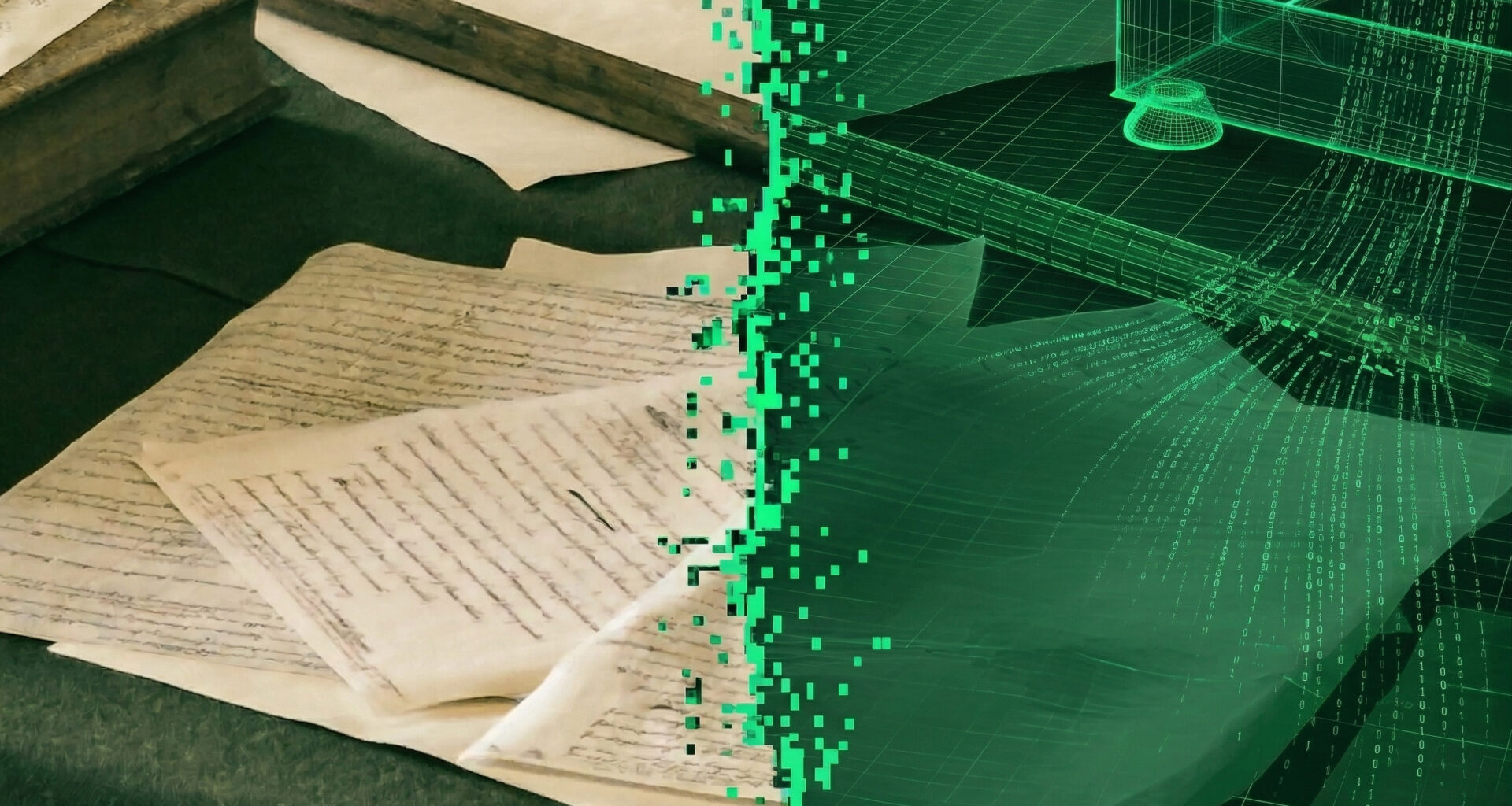
If your family roots run through Philadelphia, there’s a chance part of your history is sitting in a box right now at City Hall or in the City Archives on Spring Garden. If you wanted to see it, you had to go there physically, and ask the staff to conduct a search.
That’s about to change.
At the end of last month, the mayor signed into law Bill 251066, authorizing a multi-year agreement with Ancestry.com. Considered the world’s largest for-profit genealogy firm, the Utah-headquartered company is now about to digitize and index millions of the city’s historical records, including birth, death, marriage and property records.
The pitch for the Department of Records-led proposal was simple: no direct cost to taxpayers, better preservation, and a way to make records searchable online instead of requiring an in-person visit.
On paper, that sounds like progress. And in a lot of ways, it is.
If AI becomes the thing that determines how records are structured, searched and surfaced, then the fight is no longer just about scanning documents.
Philadelphia has an opportunity to bring a huge archive of local history — records from all the way back in the late 1600s through approximately 1950 — into the digital age, using high-speed scanning and AI-powered handwriting recognition to make old records easier to search.
Similar partnerships already exist elsewhere, including in Vermont, Indiana, Tennessee and Pennsylvania. Philadelphia Records Commissioner James Leonard said the agreement follows the model implemented by more than 60 state and local archives.
He also said the city retains ownership over the material and control over the partnership, which has an initial 10-year term and then can be renewed at the city’s discretion.
“Ancestry.com receives only a license to host images on their platform during the agreement term,” Leonard told me. “The city receives and retains permanent copies of all digitized images, ensuring we maintain the digitized collection regardless of the partnership’s future.”
So if you have a paid Ancestry.com subscription, you’ll soon be able to search through close to 20 million new records from Philly’s history.
If you don’t? More than 50 Free Library branches already offer no-cost Ancestry access if you go in person. You’ll also get that if you go to any city records office. And as part of the new agreement, which was signed on March 25, the city’s public middle and high schools will get free access to AncestryClassroom, where the records can also be searched.
But here’s the next part: When a public record becomes a digital record, what exactly stays public?
Why this is bigger than genealogy
Right now, many of Philadelphia’s historical records are technically public, but access is limited by geography and time. You have to show up in person. Digitization changes that equation.
It also creates a new layer of value.
When people talk about scanning records, it can sound like we’re just making PDFs. But there are really at least three parts to think about: the image itself, the metadata pulled from the document, and the searchable index that makes it possible to type in a name and find a record from a century ago.
That searchable layer is where digitization becomes more than preservation. It becomes infrastructure. And that infrastructure is what’s at the center of a long-running court fight in Pennsylvania.
Reclaim the Records is a nonprofit activist group that advocates for transparency and accessibility in digital archives, led by director Alec Ferretti. For years, the group has been battling the Pennsylvania Historical and Museum Commission and Ancestry over who controls digitized versions of state historical records.
The dispute grew out of a 2022 public records request for documents, metadata and indexes tied to a 2008 agreement that let Ancestry digitize commonwealth-held records. The key legal question is whether those digital copies and searchable tools belong to the public, or whether a private company can treat that work product as proprietary. The Commonwealth Court heard arguments in the case in February of this year, according to Spotlight PA.
That’s what makes this Philadelphia agreement about more than convenience.
Because if the original public record is available to anyone in person, but the digitized version is easier to search, easier to use and effectively controlled by a private platform — because it provides the front door, the method of access — then “public” starts to mean something different online than it does in real life.
Access is the promise, and the pressure point
The city’s argument isn’t hard to understand. Digitizing and maintaining records at this scale is expensive.
In the Pennsylvania case, state officials argued that maintaining and storing the tens of terabytes of data of its archives had significant ongoing costs. Philadelphia’s own agreement frames the partnership as a way to preserve and expand access to a major genealogical collection without shifting that cost directly onto taxpayers.
I asked Records Commissioner Leonard whether he knew about the pending Pennsylvania court case, and he said the City Law Department did consider it during due diligence while vetting the bill that just became law.
Still, ownership and access are not always the same thing.
Spotlight PA’s reporting makes clear that Ancestry has argued its indexing and digitization work is proprietary, even while licensing copies back to the state. That is where this gets complicated fast, especially in an era when AI can extract handwriting, names, dates and locations at scale. The more automated digitization becomes, the more urgent the governance questions become too.
This is the part I keep coming back to: AI can absolutely make public history easier to preserve and easier to find. But if AI also becomes the thing that determines how records are structured, searched and surfaced, then the fight is no longer just about scanning documents. It’s about who controls the digital doorway to public memory.
Digitizing history could make Philadelphia’s records easier to access than ever. It could help families, students, researchers and curious residents connect with the people and places that built this city.
But the real “next” question is bigger than one bill or one company. As more government records are processed, indexed and organized with AI, we need to decide whether public access means convenient access, equal access or merely theoretical access.
Because when public records go digital, the question isn’t just whether they’re online.
The question is who gets to open the door.