
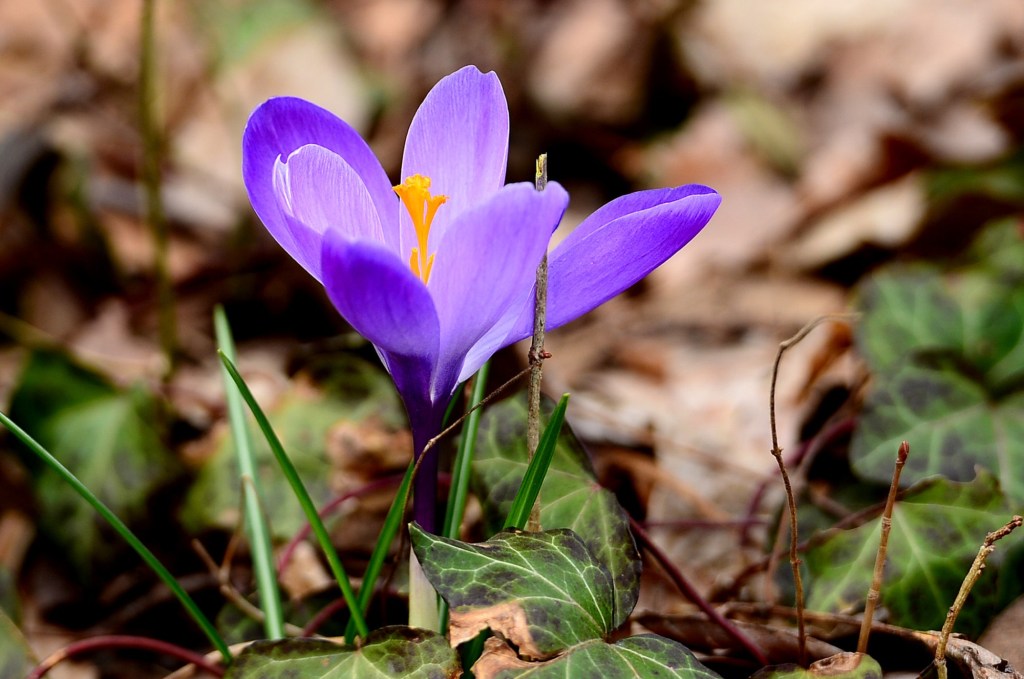
This year’s warm spring has brought many pleasant sunny days, but it’s also causing the Lehigh Valley’s plants to pump tons of pollen into the air.
The Lehigh Valley is consistently named one of the worst places for allergy and asthma sufferers by the organizations that track air quality. Last year, the Allentown-Bethlehem-Easton, PA-NJ metropolitan area was named the 50th most polluted in the nation for daily particle pollution and the 79th most polluted overall by the American Lung Association. It was also named the third-worst metropolitan area in the country for asthma sufferers by the Asthma and Allergy Foundation of America.
That’s slightly improved this year: Allentown and the broader Lehigh Valley rose to the 71st worst metropolitan area to live in for allergy sufferers and received a score of better than average from the foundation’s 2026 Allergy Capitals report.
Still, this allergy season, like the last one, is expected to be fairly rough, said Dr. Megan McCarty, an allergist with Lehigh Valley Health Network.
“The potency of the pollen is increasing and then with the temperature changes, trees and grasses and weeds are all pollinating for longer and producing more pollen. So, both because of the more pollen, more potent pollen and kind of fluctuations in temperature [are] causing fluctuations in pollen production,” McCarty said.
There are two main factors make the Lehigh Valley bad for allergy sufferers, McCarty said. The first is that the Valley is full of lush plant life that pollinates during different times of the spring and summer. The other is the region’s bowl-like shape, which can keep pollen, particles and other pollutants trapped.
“I have plenty of patients who come in and say they moved to the Lehigh Valley five years ago. They had no allergies, and now they have very intolerable congestion, sneezing, runny nose. And it’s just because our exposure is so much higher,” McCarty said.
Chrysan Cronin, professor at Lehigh University, said pollen is not solely a regional phenomenon. She said because of how warm and windy it’s been over the last several months, pollen particles and other allergens can be caught in the jet stream and carried from the West, Midwest or South to the northeastern United States.
“Allergens aren’t static and they are caught up in the jet stream and then they are deposited all around the globe,” Cronin said.
And because of the shape of the Lehigh Valley, once these allergens are carried into the Lehigh Valley, they stay here.
Climate change is also causing allergy season to last longer. This is because plants that release pollen do so based on heat or the amount of sunlight they receive. With temperatures rising earlier in the year and remaining high longer into fall, plants are able to pollinate longer.
Cronin said for people with allergies, like herself, these are all things that are out of their hands, but there are things people can do to minimize their allergies.
To minimize direct exposure on high-pollen days, allergy sufferers may want to consider wearing hats, sunglasses and possibly masks. Washing clothes and showering after spending time outside also is advised.
To keep pollen from getting inside, keep house and car windows shut and don’t hang clothes or sheets outside, where pollen can cling to them. Cronin said she uses air filters in her house to catch dust and pollen.
The right medications can also a difference. Oral antihistamines, which block a type of chemical involved in allergic reactions, work great for most people. Intranasal corticosteroid sprays can help reduce inflammation and sneezing. For those who feel they need more help to deal with their allergies, there are pollen allergy vaccines and immunotherapy tablets. McCarty said the vaccines are usually effective for 10-15 years.