
The Pittsburgh Bureau of Fire is facing mounting challenges as firefighters contend with aging vehicles that frequently break down, union leaders said.Ralph Sicuro, president of Pittsburgh Fire Fighters Local No. 1, underscored the importance of reliable equipment in critical situations. “You want to know when we get in this truck, it’s going to start and get to where we need to be in the time we need to be there,” Sicuro said. Sicuro described recent incidents where key equipment failed. “In February, we had a ladder truck in Oakland that protects the Oakland area, which is lots of high rises, lots of students, and was out of service because it went down. We had no truck spares,” he said. “Downtown’s ladder truck, number four, also broke down in March. We had no spares to be able to put in.”Both trucks were out of service for a week, leaving two high-rise areas without ladder truck coverage, Sicuro explained.The bureau operates 12 ladder trucks and 28 fire engines, with 10 of those vehicles currently substituted by spares while frontline trucks undergo maintenance or repairs. Sicuro noted that frequent breakdowns stem from the age of the vehicles, which are costly to repair. Battalion Chief Ed Farley, who serves as a union trustee, said Pittsburgh’s terrain also poses a challenge.”They’re going two or three miles an hour just to get up the hill on an emergency call with people trapped, with fires going on,” said Battalion Chief Ed Farley, who serves as a union trustee. Pittsburgh Bureau of Fire standards recommend putting a frontline vehicle in reserve after 10 years and retiring it after 15 years. However, Sicuro pointed out that some vehicles far exceed these guidelines. “This ladder truck here, which is a front-line vehicle, is 18 years old … 18 years old. So, it’s eight years beyond how long it should have been in frontline service,” he said. At Swisshelm Park Station, Engine 19 is in its 32nd year of service, even longer than Farley’s tenure as a Pittsburgh firefighter. “This is my 31st year in the fire service here in Pittsburgh,” Farley said. Currently, eight of the 12 ladder trucks and 14 of the 28 engines are considered past their useful life. Sicuro attributed the issue to decades of underfunding. “For decades, we’ve had a continuous problem where city officials do not allocate enough financial resources to the Equipment Leasing Authority to have a proper purchasing plan to replace fire apparatus, among other city vehicles, on a regular basis,” he said. The Equipment Leasing Authority (ELA), which oversees the city’s vehicle fleet, is set to meet this week. The mayor’s office announced that a tentative buying plan for ambulances and snowplows, funded by recent gifts from UPMC and PNC, is expected to be agreed upon. Pittsburgh’s Chief Operating Officer Sharon Werner said the next phase will involve determining how the remaining fleet budget will be allocated. “We are hoping that we will be able to allocate the vast majority of that to the fire fleet,” Werner said. “It will then take some time because, again, you have to go out with RFP and solicitations and make sure we’re getting the best value for money,” Werner said.Werner estimated that several million dollars could be allocated to the fire department, potentially more than last year’s funding. “For fire in particular, yes, it has been too long since they’ve gotten real investment in their fleet,” she said. Sicuro expressed concern about future funding levels. “To my recollection, next year it’s only $5 million. Then it goes down to $3 million, down to $2 million. We’re going in the wrong direction,” he said. Farley stressed the need for immediate action, suggesting the bureau should acquire four engines and two ladder trucks annually to meet proper standards. “Whatever we can do to get these rigs in here is what we need to do right now,” he said. However, the cost of new vehicles is substantial. “You’re talking a lot of truck is over $2 million, right? For one ladder truck. That’s this year. An engine is $1 million. So you’re talking two ladder trucks? That’s $4 million there. And then four more. That’s $8 million a year just for fire vehicles,” Farley said. Adding to the challenge is the time required to build new trucks. “We have one truck that’s being built right now. It should be out in June of ‘27. We specced that four years ago, in ‘23. That’s when we started building that,” Farley said. Sicuro added, “Every moment we delay on taking action adds to that time period of building out.”City Councilperson Barb Warwick proposed legislation to dedicate $20 million annually for the city’s fleet, but the proposal is currently on hold. “I do not yet have support from my fellow council members for this, and nor do I have support from the administration, which, you know, I think it’s really unfortunate. I am very open to negotiating on this bill. Just tell me a number,” Warwick said. The mayor’s press secretary, Molly Onufer, said a trust fund limits the council’s “ability to debate, amend and approve the budget.” She added that it also limits the administration’s ability to craft a budget around current-year needs. In a statement, Onufer said in part, “The Administration would then encourage Council to advocate for spending in specific areas through the budget process rather than creating a trust fund.”Farley remains hopeful that this week’s ELA meeting will signal progress for the fire fleet. “It’s vital for the citizens here. It’s vital for the firefighters’ safety. We need these vehicles right now,” he said.The ELA meeting will take place on Thursday afternoon.Download the WTAE app to stay connected with breaking news. Sign up for our email newsletters to get breaking news in your inbox.
PITTSBURGH —
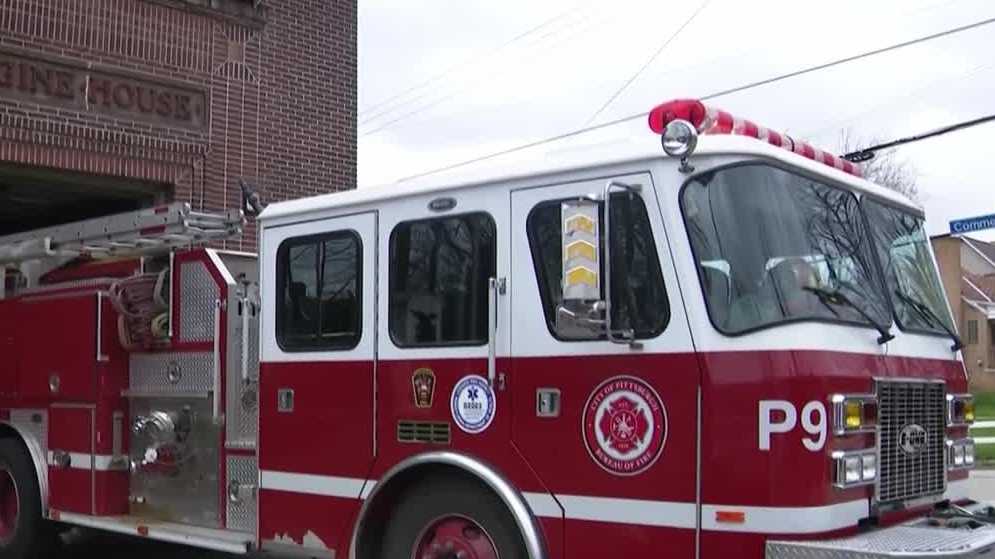
The Pittsburgh Bureau of Fire is facing mounting challenges as firefighters contend with aging vehicles that frequently break down, union leaders said.
Ralph Sicuro, president of Pittsburgh Fire Fighters Local No. 1, underscored the importance of reliable equipment in critical situations.
“You want to know when we get in this truck, it’s going to start and get to where we need to be in the time we need to be there,” Sicuro said.
Sicuro described recent incidents where key equipment failed.
“In February, we had a ladder truck in Oakland that protects the Oakland area, which is lots of high rises, lots of students, and was out of service because it went down. We had no truck spares,” he said. “Downtown’s ladder truck, number four, also broke down in March. We had no spares to be able to put in.”
Both trucks were out of service for a week, leaving two high-rise areas without ladder truck coverage, Sicuro explained.
The bureau operates 12 ladder trucks and 28 fire engines, with 10 of those vehicles currently substituted by spares while frontline trucks undergo maintenance or repairs. Sicuro noted that frequent breakdowns stem from the age of the vehicles, which are costly to repair.
Battalion Chief Ed Farley, who serves as a union trustee, said Pittsburgh’s terrain also poses a challenge.
“They’re going two or three miles an hour just to get up the hill on an emergency call with people trapped, with fires going on,” said Battalion Chief Ed Farley, who serves as a union trustee.
Pittsburgh Bureau of Fire standards recommend putting a frontline vehicle in reserve after 10 years and retiring it after 15 years. However, Sicuro pointed out that some vehicles far exceed these guidelines.
“This ladder truck here, which is a front-line vehicle, is 18 years old … 18 years old. So, it’s eight years beyond how long it should have been in frontline service,” he said.
At Swisshelm Park Station, Engine 19 is in its 32nd year of service, even longer than Farley’s tenure as a Pittsburgh firefighter. “This is my 31st year in the fire service here in Pittsburgh,” Farley said.
Currently, eight of the 12 ladder trucks and 14 of the 28 engines are considered past their useful life. Sicuro attributed the issue to decades of underfunding.
“For decades, we’ve had a continuous problem where city officials do not allocate enough financial resources to the Equipment Leasing Authority to have a proper purchasing plan to replace fire apparatus, among other city vehicles, on a regular basis,” he said.
The Equipment Leasing Authority (ELA), which oversees the city’s vehicle fleet, is set to meet this week. The mayor’s office announced that a tentative buying plan for ambulances and snowplows, funded by recent gifts from UPMC and PNC, is expected to be agreed upon.
Pittsburgh’s Chief Operating Officer Sharon Werner said the next phase will involve determining how the remaining fleet budget will be allocated.
“We are hoping that we will be able to allocate the vast majority of that to the fire fleet,” Werner said. “It will then take some time because, again, you have to go out with RFP and solicitations and make sure we’re getting the best value for money,” Werner said.
Werner estimated that several million dollars could be allocated to the fire department, potentially more than last year’s funding.
“For fire in particular, yes, it has been too long since they’ve gotten real investment in their fleet,” she said.
Sicuro expressed concern about future funding levels.
“To my recollection, next year it’s only $5 million. Then it goes down to $3 million, down to $2 million. We’re going in the wrong direction,” he said.
Farley stressed the need for immediate action, suggesting the bureau should acquire four engines and two ladder trucks annually to meet proper standards.
“Whatever we can do to get these rigs in here is what we need to do right now,” he said.
However, the cost of new vehicles is substantial. “You’re talking a lot of truck is over $2 million, right? For one ladder truck. That’s this year. An engine is $1 million. So you’re talking two ladder trucks? That’s $4 million there. And then four more. That’s $8 million a year just for fire vehicles,” Farley said.
Adding to the challenge is the time required to build new trucks. “We have one truck that’s being built right now. It should be out in June of ‘27. We specced that four years ago, in ‘23. That’s when we started building that,” Farley said. Sicuro added, “Every moment we delay on taking action adds to that time period of building out.”
City Councilperson Barb Warwick proposed legislation to dedicate $20 million annually for the city’s fleet, but the proposal is currently on hold.
“I do not yet have support from my fellow council members for this, and nor do I have support from the administration, which, you know, I think it’s really unfortunate. I am very open to negotiating on this bill. Just tell me a number,” Warwick said.
The mayor’s press secretary, Molly Onufer, said a trust fund limits the council’s “ability to debate, amend and approve the budget.” She added that it also limits the administration’s ability to craft a budget around current-year needs.
In a statement, Onufer said in part, “The Administration would then encourage Council to advocate for spending in specific areas through the budget process rather than creating a trust fund.”
Farley remains hopeful that this week’s ELA meeting will signal progress for the fire fleet. “It’s vital for the citizens here. It’s vital for the firefighters’ safety. We need these vehicles right now,” he said.
The ELA meeting will take place on Thursday afternoon.
Download the WTAE app to stay connected with breaking news. Sign up for our email newsletters to get breaking news in your inbox.