
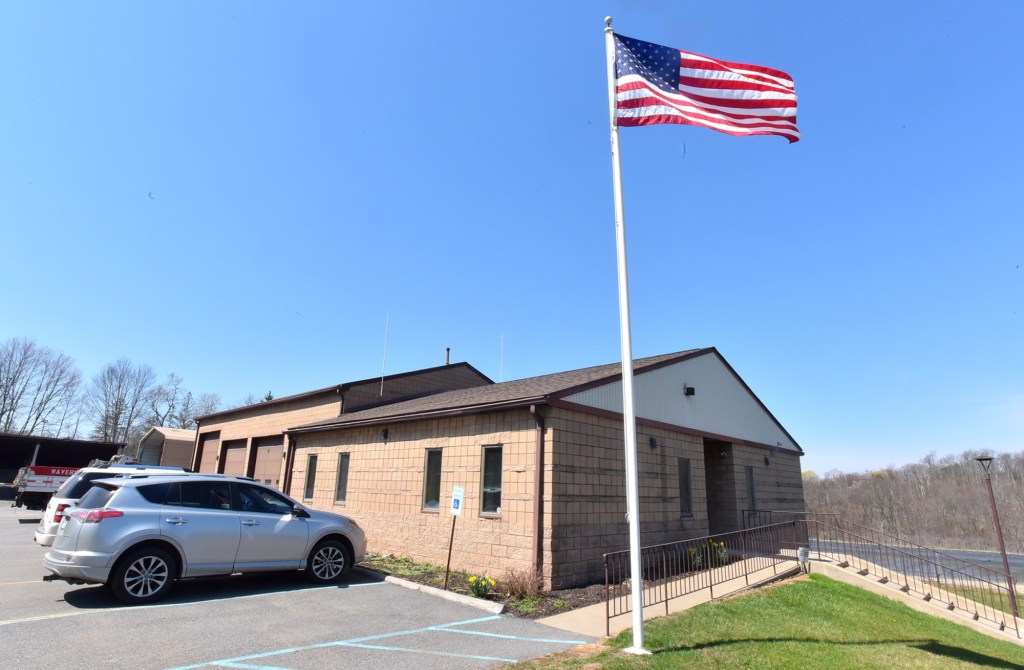
Waverly Twp. officials are looking to allow religious facilities in the community without the need for zoning relief.
A proposed ordinance would amend the township’s zoning to allow places of worship and assembly in all seven of the township’s zoning districts.
It would also add a definition stating that federal law prohibits state and local governments from substantially burdening houses of worship unless the government can demonstrate a compelling interest.
Current zoning classifies a place of worship or assembly as a conditional use requiring a special exception. They are permitted only in the rural resource, rural single family residential, suburban single family residential and village single family residential districts.
Applicants looking to build a place of worship or assembly are required to submit a land development plan and traffic impact study, which have to be approved by the township. Other requirements include: primary or accessory structures that aren’t enclosed are limited to operating from dusk to dawn, with exceptions for organized activities in outdoor areas with approved lighting; impervious coverage is limited to 30% of the site; landscaping to delineate the site boundaries; and all signs must be located on site.
They are also required to have one parking space for every four seats used for the service, and may include two dwelling units as an accessory use to house religious leaders and their families.
Further, belfries, steeples, minarets and other structures associated with a house of worship or assembly are allowed to exceed a building’s permitted height.
The proposed ordinance would reclassify places of worship or assembly as a permitted use by right instead of a use by special exception.
Officials are considering the ordinance amid an ongoing hearing to reverse the township’s decision to issue a permit to the Jewish Discovery Center to build 12 cabins on its property off Miller Road.
Residents Terrence and Margaret Neville in February appealed the permit issued to the center late last year. The township’s zoning hearing board heard the first arguments for why the township should reverse its decision to issue the permit last month.
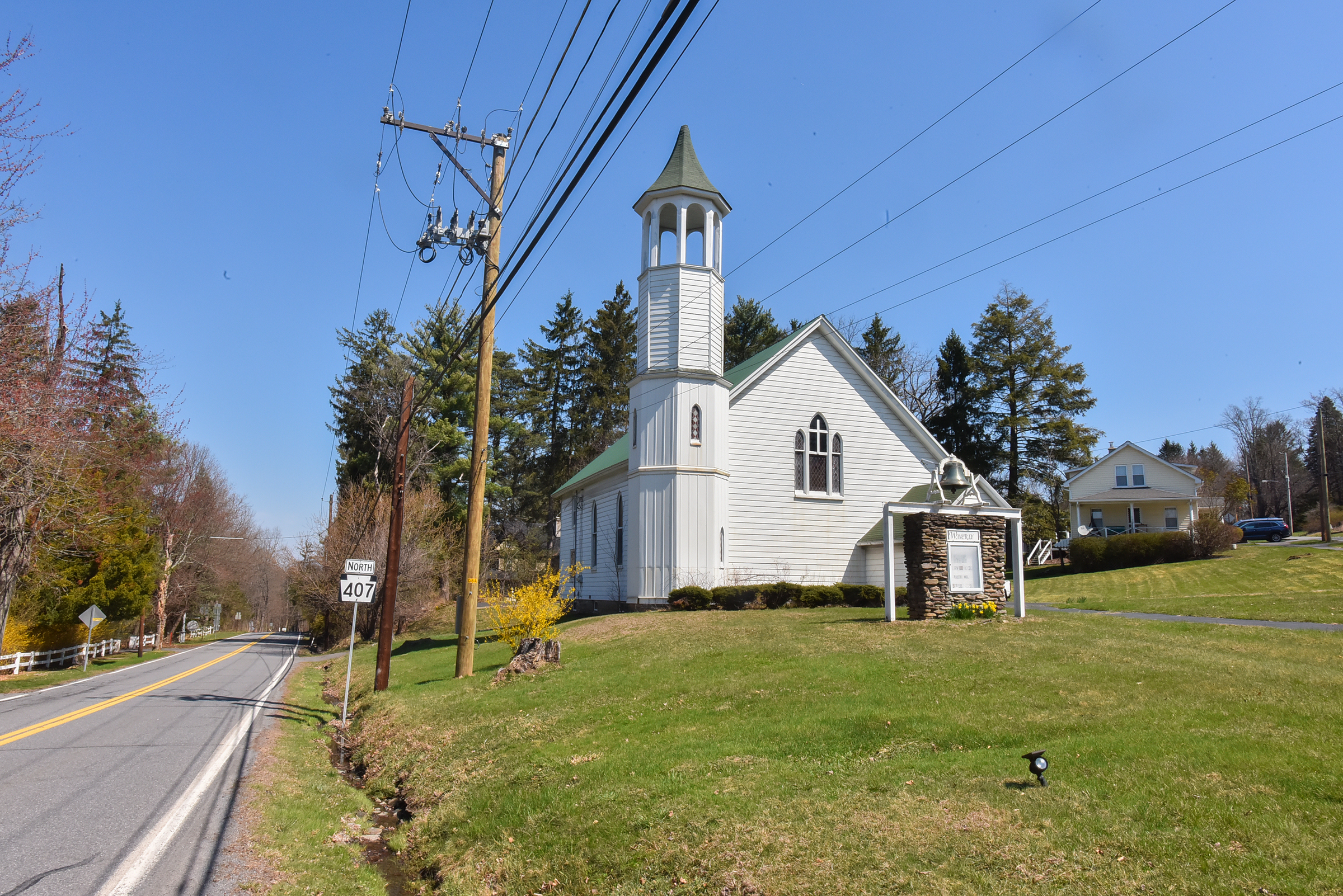
The Waverly Community Church in Waverly Friday, April 10, 2026. (SEAN MCKEAG / STAFF PHOTOGRAPHER)

The entrance to the Jewish Discovery Center in Waverly Twp. on Monday, Oct. 13, 2025. (REBECCA PARTICKA/STAFF PHOTOGRAPHER)
Show Caption
1 of 2
The Waverly Community Church in Waverly Friday, April 10, 2026. (SEAN MCKEAG / STAFF PHOTOGRAPHER)
The Nevilles contend in their appeal the proposed development requires special exception approval, that no zoning application was made for the zoning officer to approve, the zoning officer lacked jurisdiction to render a decision concerning the proposed development while an appeal was pending before the board, and the center didn’t meet the prerequisites for the township to issue a zoning permit and approve a place of worship.
The permit allowed plans to move forward for building the 865-square-foot cabins behind a synagogue and home, with access via gravel drives and walkways. Each will accommodate up to six people, with three bedrooms, three bathrooms, a living room, waterlines and electric facilities. The more than 20-acre property will not be subdivided.
The cabins will be used only by people attending services, observing holy days or participating in programs on the property, according to the application, which the center filed under the name Chabad of the Abingtons Inc.
Residents who opposed the plans argued the cabins will affect the township’s character.
Terrence Neville said at the hearing he has no issue with the synagogue being next to him but the cabins aren’t compatible with the area, which Neville described as rural with large tracts of land. He said the project would alter the character of the area, bring more people and affect property values.
John Varaly, a Wilkes-Barre-based municipal planner appearing at the behest of residents, testified that in his experience, the center’s application would require land-development approval as it is a special exception for a place of worship, adding such exceptions have to allow for all kinds of religious activity.
Last month’s hearing was continued to April 20 at 5 p.m. in the Waverly Community House.
Earlier this year, the U.S. Justice Department and the municipality of Kingston in Luzerne County resolved a federal lawsuit alleging the town’s zoning ordinance unconstitutionally treats religious facilities differently from secular ones. The lawsuit filed by the Justice Department claimed its 2023 zoning ordinance violated the Religious Land Use and Institutionalized Persons Act and disproportionately prevented Kingston’s Orthodox Jewish Chabad community from developing places needed for religious worship.
Kingston officials will amend its zoning ordinance to lift restrictions on religious entities and require employees to undergo training on religious land uses as part of a consent motion.
Attorneys representing Waverly Twp. and the center noted during last month’s hearing that Varaly was the planner in Kingston who drafted the ordinance that was the subject of the lawsuit.
The supervisors will hold a public hearing on the proposed ordinance Thursday at 6 p.m. in the Waverly Community House. They will hold a special meeting after the hearing at 7:30 p.m., during which the changes may be considered for adoption, according to a legal notice in The Times-Tribune.