
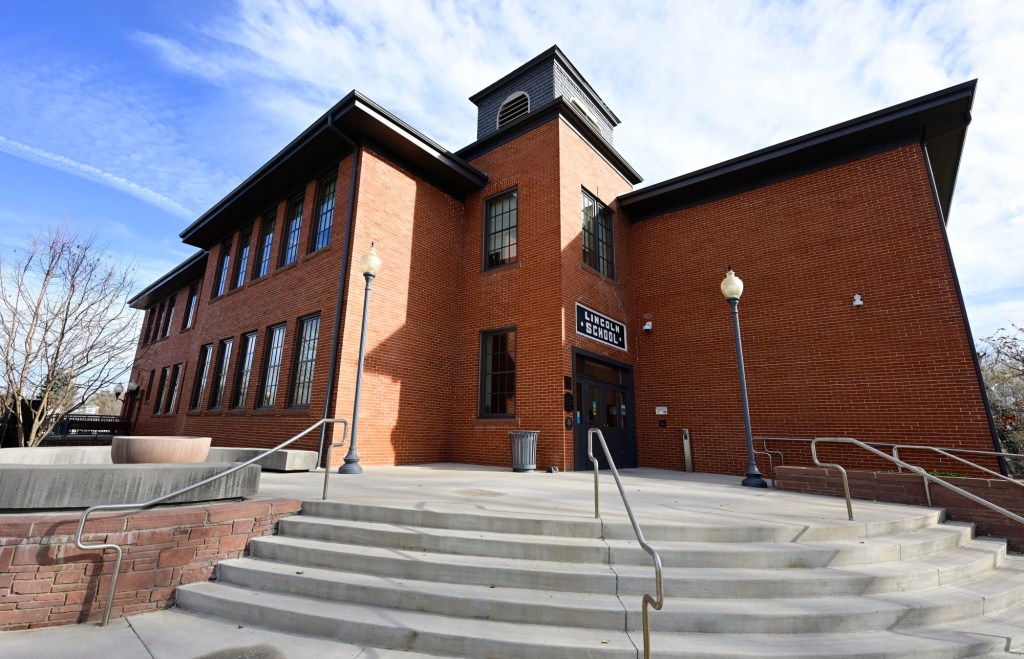
The Erie Town Council during an April 7 special meeting appointed three members — Sherri Booth, Paul Leef and Alex Schatz — to the town’s Planning Commission from a pool of 11 applicants.
The Planning Commission advises the council on land use and development matters, such as rezonings, site plans and updates to the town’s development code.
Council members narrowed their decision to five candidate interviews before voting by paper ballot during the special meeting. The council passed over incumbent Tim Burns after his four years of service on the commission. Booth, also an incumbent, has served on the commission since 2022.
Schatz and Leef in their interviews with the council highlighted priorities including infrastructure capacity and managing growth.
“I think there’s a real opportunity for this commission to address, in a proactive way, some of the bigger picture issues around infrastructure,” said Leef, who has worked as the campus architect for both the Colorado School of Mines and CU Boulder.
When asked about the biggest struggle Erie will face over the next five to 10 years, Schatz told the council: “I think it’s easy to say water.”
“There are a lot of strains on transportation infrastructure as well,” added Schatz, who works as a regulatory and legal affairs manager for a company in the construction industry.
Booth, who works as a manager in the finance sector, also stressed continued implementation of the town’s comprehensive plan.
“There’s still some work that we can do with the comprehensive plan to make sure that all of our planning is working around that,” she said.
Erie’s comprehensive plan, last updated in 2024, is a document that can inform the town’s decisions on land use and development. The plan is a guiding document and does not by itself establish zoning, or the rules for what types of properties can be built in different areas around town, but the council and planning commission can refer to it when making decisions.
The Erie Planning Commission is an advisory body that reviews proposed land uses and forwards recommendations to the Town Council. The seven members of the commission are appointed by the council to rotating four-year terms, which end in May of even numbered years. All members of the commission must be residents of the town.
“There’s going to be some qualified people that don’t get selected, but I hope for those that don’t, other positions with the town come up,” Mayor Pro Tem Brandon Bell said, prior to the council’s vote. “Just everybody that interviewed tonight, you can tell how much they care about the community, and this is what we need.”