
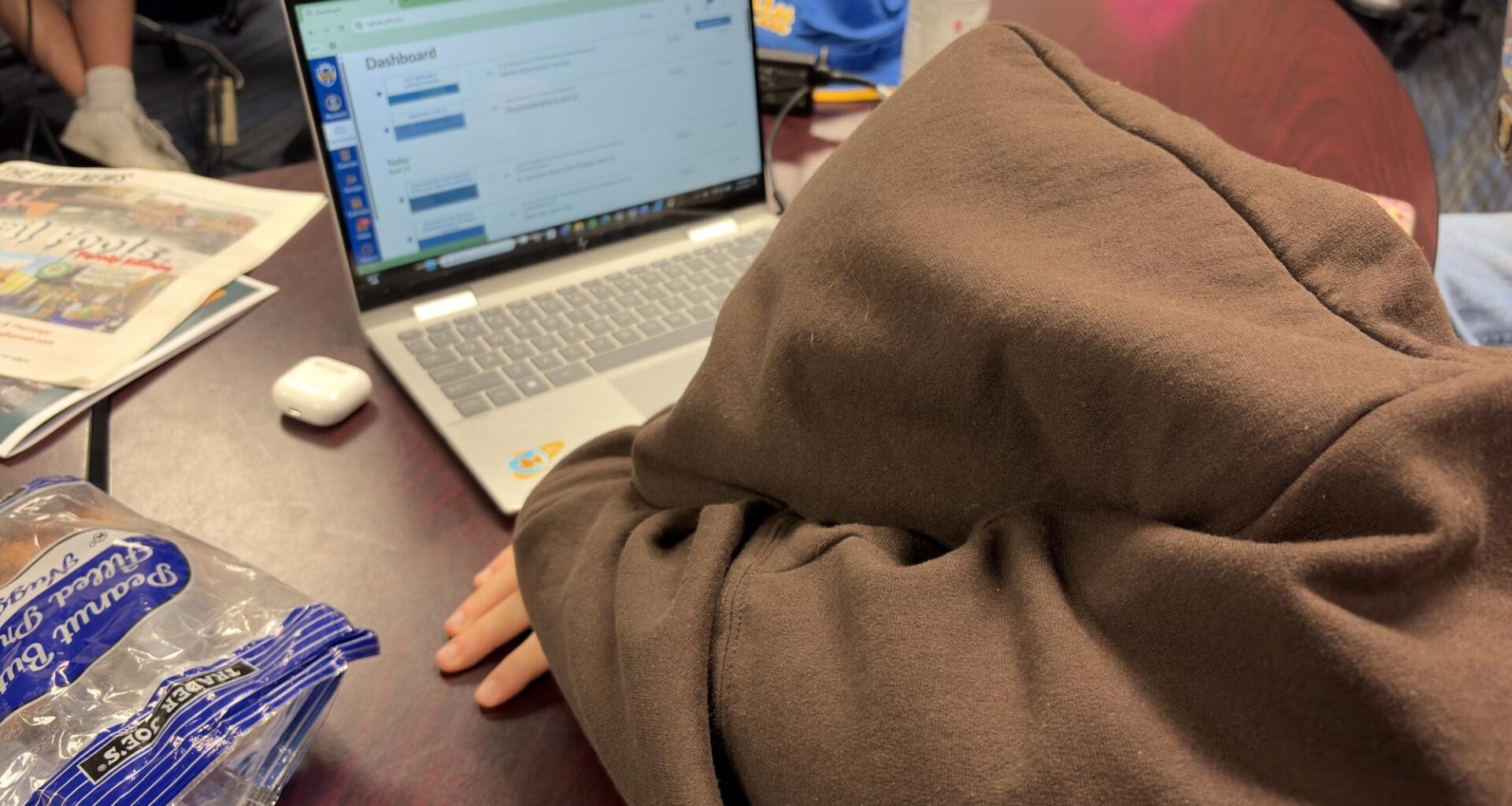
With finals on the horizon, Pitt students are beginning to feel the effects of months of academic work and sustained stress.
Burnout is physical, emotional or mental exhaustion that results from constant levels of high stress for a long period of time, and many students experience it at the end of the semester. To manage the feelings of exhaustion, mental health experts at Pitt encourage students to exercise, manage their sleep and utilize the University Counseling Center’s resources.
Anna Marsland, a professor of psychology, said students who are feeling exhausted, stressed, overwhelmed and emotionally drained may be experiencing academic burnout.
“Many college students can experience feeling burned out, especially at the end of term,” Marsland said.
Gabi Pedrosa, a first-year public health major, said she is concerned she will get burned out because of finals.
“I know that it’s gonna get crazy soon,” Pedrosa said. “I just feel like it’s an impending doom with finals.”
She said her burnout stems from a desire for academic validation, which causes her to work hard throughout the semester. When she feels burned out, Pedrosa said she doesn’t feel like doing anything.
“I don’t want to do school work. I can’t even go out with my friends and party,” Pedrosa said. “I just want to stay in and become one with my bed, but that’s what burnout feels like for me,”
Dakota Engel, a sophomore nursing major, said that as the semester is nearing its end, she is beginning to feel burned out.
“This semester, I feel unmotivated, and there’s a lot going on,” Engel said. “I get so used to the going, going, going — it becomes mundane.”
In order to manage burnout, Marsland said students need to find what works for them on an individual level.
“Things that can help include not leaving assignments to the last minute, creating a schedule that prioritizes tasks and balances academic and self-care activities — such as maintaining a healthy lifestyle that includes regular exercise, a regular sleep schedule, a healthy diet, spending time with friends and offering others support,” Marsland said.
According to Marsland, feeling burned out can alert individuals that they are becoming overwhelmed. She said it’s important for students to address those feelings because if left unaddressed, they will be more challenging to manage.
“Feelings are not a constant state and are often described as waves — often the task is to ride the wave as best one can until the feeling passes,” Marsland said. “The challenge is to act in ways that encourage the feeling to pass rather than doing things that may make the feeling worse.”
Cassandra Long, assistant director for strategic programs in the Division of Student Affairs and licensed clinical social worker, said students who feel burned out should come into the University Counseling Center and speak with a clinician.
“Don’t wait until things get worse. Be intentional about rest, set limits on what you take on and lean on your social support,” Long said. “Burnout is real, but it responds to support, and the UCC is here to help you find out what that looks like for you.”
Long said the UCC works to reassure students that they are not alone and supports students in recovering from and preventing burnout. It offers wellness resources including drop-in services, individual counseling and peer support spaces.
“These resources help students feel supported, connected and more in control, which is key to both recovering from burnout and preventing it,” Long said.
To ease the feeling of burnout, Pedrosa said she tries to focus on her hobbies.
“I do things that make me happy, like reading, writing or little crafty embroidery stuff,” Pedrosa said.
Engel said this is not the first time she has experienced the feeling of burnout at Pitt, and she plans to reset this summer.
“[I feel burned out] at the end of semesters, but it’s temporary,” Engel said. “It goes away once I get a break.”
Engel said to help herself feel better, she attempts to prioritize her personal life in addition to her school work.
“It’s important to get your mind off things that cause burnout,” Engel said.