
As the United States commemorates 250 years since the signing of the Declaration of Independence this July 4, the restored home of Frederick Muhlenberg, the first speaker of the U.S. House of Representatives, stands as a tribute to his legacy in Trappe, Pennsylvania.A family home along the Great RoadThe large stone house, located along what was once known as the Great Road, was home to Muhlenberg, his wife and their seven children. “The kids were stuffed all over the place,” said Lisa Minardi of Historic Trappe.From pastor to first speaker of the HouseAt 31, Muhlenberg transitioned from pastor to politician, becoming the first speaker of the U.S. House. “He just worked his way up through the political ranks. And I think also the fact that he is from the mid-Atlantic, it gave geographic balance to New England with John Adams and then George Washington from Virginia,” Minardi said. Built in 1763, the Philadelphia-style townhouse fell into disrepair and faced demolition before Historic Trappe purchased it in 2001.The nonprofit aimed to restore the home authentically to the period when Muhlenberg lived there, from 1781 to 1791. “He could walk in the door and say, ‘Yeah, this is how I left it. This all looks familiar. This is home,’” Minardi said. Research-driven restoration effortsCraftsmen from 18th Century Restorations are conducting extensive archival and architectural research to recreate details such as plaster, molding styles and paint colors like Prussian blue. “It’s a lot of careful deconstruction rather than demolition,” said Wesley Noonan-Sessa of 18th Century Restorations. A home that also served as an officeMuhlenberg’s home also served as a hub for his many roles, including president judge, recorder of deeds, and register of wills in Montgomery County. “So, if you were calling on FM, if you had legal documents, you had court-related business, a deed, a will, knocking on the front door to call on Frederick,” Minardi said. The nonprofit also hopes to rebuild the general store Muhlenberg operated after discovering its footprint. Muhlenberg moved to Lancaster in 1800, when it was the state capital, to work as receiver general with the land office.Remembered for his energy and persuasionMuhlenberg was familiar with the area, as his brother Henry was the longtime pastor of Trinity Lutheran Church. Tanya Kevorkian, a church archivist and Millersville University history professor, described Muhlenberg as having a “very persuasive personality” and “a lot of stamina.” Death at age 51That stamina gave out on June 4, 1801, when Muhlenberg died of a stroke at age 51.His brother recorded the death in a church ledger, writing, “Frederick August Muhlenberg, former receiver general, my brother, died of a stroke at the age of 51, five months and two days.” Burial and reburialMuhlenberg was initially buried at Trinity Lutheran Church but was later exhumed and moved to Woodward Hill Cemetery when the church expanded.“Some of the ground they needed was where the churchyard cemetery was, so a number of graves, including those of some very prominent people like Muhlenberg, had to be moved,” said Sam Slaymaker of Woodward Hill Cemetery. Muhlenberg’s gravesite is near that of President James Buchanan, placing two Pennsylvanians who played significant roles in the nation’s early days in close proximity.
TRAPPE, Pa. —
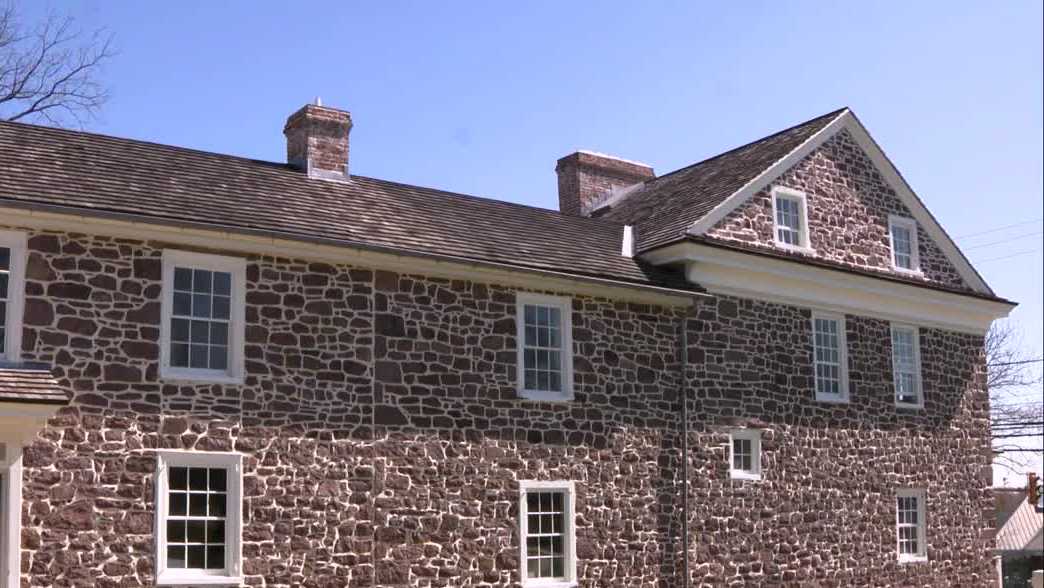
As the United States commemorates 250 years since the signing of the Declaration of Independence this July 4, the restored home of Frederick Muhlenberg, the first speaker of the U.S. House of Representatives, stands as a tribute to his legacy in Trappe, Pennsylvania.
Hearst Owned
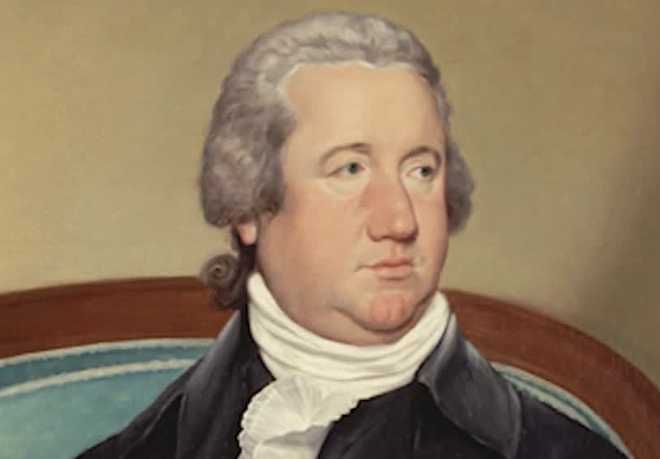
Frederick Muhlenberg
A family home along the Great Road
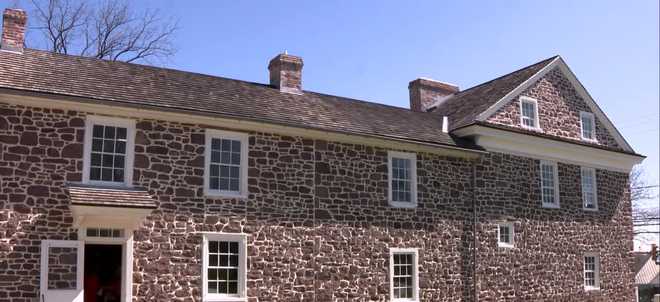
The large stone house, located along what was once known as the Great Road, was home to Muhlenberg, his wife and their seven children. “The kids were stuffed all over the place,” said Lisa Minardi of Historic Trappe.
From pastor to first speaker of the House
At 31, Muhlenberg transitioned from pastor to politician, becoming the first speaker of the U.S. House.
“He just worked his way up through the political ranks. And I think also the fact that he is from the mid-Atlantic, it gave geographic balance to New England with John Adams and then George Washington from Virginia,” Minardi said.
Built in 1763, the Philadelphia-style townhouse fell into disrepair and faced demolition before Historic Trappe purchased it in 2001.
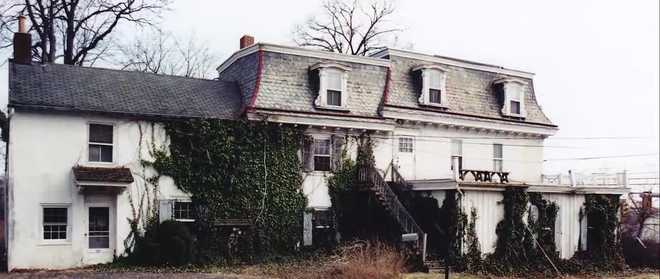
The nonprofit aimed to restore the home authentically to the period when Muhlenberg lived there, from 1781 to 1791.
“He could walk in the door and say, ‘Yeah, this is how I left it. This all looks familiar. This is home,’” Minardi said.
Research-driven restoration efforts
Craftsmen from 18th Century Restorations are conducting extensive archival and architectural research to recreate details such as plaster, molding styles and paint colors like Prussian blue.
“It’s a lot of careful deconstruction rather than demolition,” said Wesley Noonan-Sessa of 18th Century Restorations.
A home that also served as an office
Muhlenberg’s home also served as a hub for his many roles, including president judge, recorder of deeds, and register of wills in Montgomery County.
“So, if you were calling on FM, if you had legal documents, you had court-related business, a deed, a will, knocking on the front door to call on Frederick,” Minardi said.
The nonprofit also hopes to rebuild the general store Muhlenberg operated after discovering its footprint.
Muhlenberg moved to Lancaster in 1800, when it was the state capital, to work as receiver general with the land office.
Remembered for his energy and persuasion
Muhlenberg was familiar with the area, as his brother Henry was the longtime pastor of Trinity Lutheran Church. Tanya Kevorkian, a church archivist and Millersville University history professor, described Muhlenberg as having a “very persuasive personality” and “a lot of stamina.”
Death at age 51
That stamina gave out on June 4, 1801, when Muhlenberg died of a stroke at age 51.
His brother recorded the death in a church ledger, writing, “Frederick August Muhlenberg, former receiver general, my brother, died of a stroke at the age of 51, five months and two days.”
Burial and reburial
Muhlenberg was initially buried at Trinity Lutheran Church but was later exhumed and moved to Woodward Hill Cemetery when the church expanded.
“Some of the ground they needed was where the churchyard cemetery was, so a number of graves, including those of some very prominent people like Muhlenberg, had to be moved,” said Sam Slaymaker of Woodward Hill Cemetery.
Muhlenberg’s gravesite is near that of President James Buchanan, placing two Pennsylvanians who played significant roles in the nation’s early days in close proximity.