
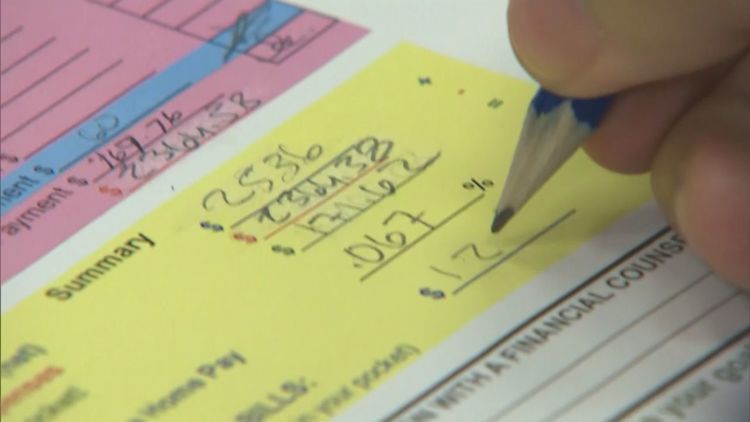
Millions of Pennsylvanians are set to pay billions of dollars in taxes, with the filing deadline arriving on its traditional date of April 15.
Tax Day is also giving both sides of the aisle a chance to make their case for how they would help residents save more of their hard-earned money.
Lieutenant Governor Austin Davis (D-Pennsylvania) has been touring the Commonwealth to highlight $450 million in tax relief delivered through the first three bipartisan budgets signed by Governor Josh Shapiro. That relief spans seven different tax cuts aimed at working families, seniors and students.
Those cuts include programs such as the Working Pennsylvanians Tax Credit, expanded child and dependent care tax credits, a student loan interest deduction and broader tax forgiveness for low-income and retired Pennsylvanians.
“For seniors who have benefited from the property tax rent rebate expansion to families who have benefited from the expansion of the child care tax credit, here in Pennsylvania, we are seeing folks who are struggling to get some relief from state government,” Davis said.
Republicans argue that relief does not go far enough. State Representative David Rowe (R-Union) and the Republican Policy Committee he chairs are proposing a six-month pause on income, gas and sales taxes on many items along with telecommunications and other services.
He says that plan would save Pennsylvania families an average of $1,100.
“The largest cost drivers of that cost-of-living increase is government intervention,” Rowe said. “We want to add all of these things together so that every Pennsylvanian, regardless of where you live, regardless of your family situation, you’re going to be able to keep more of your money.”
Tax Day comes during a time of high prices, both at the pump and for everyday items. Roughly $20 billion in income taxes must be reported to the Commonwealth by Wednesday.
Pennsylvania’s flat income tax rate of 3.07% for all income groups remains among the nation’s lowest.
Davis says the Shapiro Administration hopes to bring additional relief in the years ahead by lowering energy costs and raising the minimum wage, while Rowe says more immediate and aggressive action is needed to make a noticeable difference.
“We’re focusing on the things that we’ve done but also the things that we still want to do and that we view as unfinished business to help reduce costs for working Pennsylvanians,” Davis said.
“We are tackling real solutions. We’re not paying lip service here,” Rowe said. “We are doing things that will actually make Pennsylvania more affordable, from utility bills to childcare for every Pennsylvanian.”