
Pittsburgh doctor warns medetomidine is fueling dangerous fentanyl overdoses
UPMC toxicologist says medetomidine is in most illicit opioids in Allegheny County
Like, this was ***, ***, *** drug that was new to me and I feel like, you know, we, we follow the news pretty closely and we’ve done some stories here at Channel 4, some of my colleagues have and done some updates about this drug. First of all, what is it called? Meatomidine. Metatoidine, OK. And it’s got some street names? So it does, uh, sometimes it’s called med or meta, um, the, probably the more common names that we hear are tran or rhino ranch, um, but that gets confusing because xylazine. Um, which had been an adulterant for many years in Pennsylvania, often was also referred to tran, and they’re all mixed generally with fentanyl, um, so it, the names can get *** little bit confusing and mean different things. Yeah. Um, OK, um, and tell me what it is. So metamidine is um *** drug that is used in veterinary medicine for sedation, like uh like anesthesia in the OR for veterinarians, um, and there’s *** version of it that’s approved for human use, called dexmeatomidine, and meatomidine is just *** mixture of two substances that are closely related. Um, the takeaway is that it’s, metatamidine is not approved for human use, just veterinary. Um, and the way that it works, it works in our brains to essentially slow down our adrenaline system, uh, so it can make us very sleepy, uh, slow down our heart rate, and lower our blood pressure, when we’re exposed to it, uh, certainly to *** lot of it, and it’s much more powerful than other similar kinds of drugs, including Xylazine. Uh, and the, the thing I’m reading about it is that if you have too much of this and it’s, it’s causing you health problems, um, Narcan is not an option. So, naloxone does not reverse metatomidine, naloxone does reverse the opioid that is almost always mixed with meatomidine, so we still very strongly recommend that people give naloxone in an overdose situation, because usually both are there, and the life, the most life threatening part of an overdose is the opioid, uh, so fentanyl or something like it, so we still want to give naloxone, the difference is what we expect is that people should start breathing. As we reverse the opioid, but they don’t necessarily wake up, because the meatomidine, which is not reversed, causes ongoing sedation. So it can be confusing to people who learned to give naloxone in an overdose and expect people to wake up. That doesn’t happen. They start breathing, but they stay asleep. Do they eventually come to? Yes, so it’s, it’s *** pretty short half-life, so over the course of several hours, um, people will wake up, um, and most of the time in the emergency department, for instance, uh, we just watch them and keep them on the monitor, um, sorry about that, uh, we just watch them and keep them on the monitor, and we don’t have to put breathing tubes in or anything like that. OK. All right. So it sounds like it’s being managed, but what are you seeing and, and, um, if you can sort of ballpark, there’s *** sort of *** growing number of emergency departments within UPMC across Western Pennsylvania and where our viewers are sort of reached. It, it, there’s, if you, uh, I mean, there’s gotta be about 10 of them, right? Um, what, what do you, what are you seeing in the emergency departments in UPMC regarding this drug? Yeah, so we, starting back in May into the summer of 2024, we would see overdose situations where people would stay asleep and their heart rates would be very low, and sometimes their blood pressure would be very low, um, and then starting in the fall into the winter of 2024, we started seeing *** really severe life threatening withdrawal syndrome, uh, which is actually the most serious consequence of meatomidine in the drug supply. And so nowadays, uh, we are admitting multiple patients per day to the hospital, and most of them to the ICU because of the severe withdrawal syndrome. So you’re uh sort of anecdotal evidence for what your doctors and nurses are seeing, uh, in these emergency departments is that this is on the rise. Yes, and we work with public health agencies, um, and other drug checking organizations, so we know that, uh, metatoinine is present in about 85% or so of the illicit opioid supply in Allegheny County, um, so, and that has risen from none, uh, in early 2024, so it has been on the rise, I would say, as far as the visits to the emergency department. Ah, they rose significantly through 2024 and the first half of 2025, and since then it’s ups and downs, um, but it has just stayed at *** very high level, and that’s true across the board, um, at, at, uh, facilities throughout, ah, particularly. Pittsburgh area and Philadelphia area, um, but also throughout the Commonwealth and beyond, uh, it’s being seen more and more, so certainly nationwide and across the state, it’s definitely on the rise. Uh, Pittsburgh and Philadelphia were very much on the leading edge, um, of that rise, and it’s stayed at *** high level here. And I think the last time we did *** story on it, I just found out this morning that it was around 75%, and that was just maybe *** few months ago. So it’s, it’s, that testing is revealing that it’s on the way up with, with, uh, the testing of fentanyl that’s sort of out there on the street. So, um, we, we see that rise, and it’s something you monitor closely. Um, it’s sort of, what’s the, where did this come from? How did it, this make its way into the supply of, of fentanyl right now? Yeah, the, uh, I’ll start by saying that I don’t know for sure, um, of course, but, uh, you know, there, and there’s *** lot of theories, but what we know is that it didn’t, it wasn’t in the fentanyl supply almost at all, until two years ago, um, and now it’s in nearly all of the supply. Um, the adulterant that was in the fentanyl supply, most of the fentanyl supply in Pennsylvania before that, was something called Xylazine. Uh, they work in *** similar way, just meatomidine is much more potent, um, and initially we saw xylazine start to go away *** little bit, those levels went way down, but they’ve actually come back *** bit. Uh, it’s still not present in as much as it used to be, um, but around here in Pittsburgh area, it’s still present in about *** third of our drug supply, often in combination with metatomidine. Is it something that’s being added to fentanyl once it’s already here in Pennsylvania, um, that’s sort of produced locally and, or is it coming from the same origin as the fentanyl? It it’s hard to know exactly where it’s added, um, it is not sort of at the local or street level, it probably is, is sort of *** higher level of the drug distribution network, uh, from what I understand from what I’ve read, um, and, you know why it’s added is *** common question. Um, things are added to the drug supply for *** number of reasons. One is to make it heavier, right, to take up space that isn’t something else. Um, if it’s cheaper than, say, fentanyl, uh, but causes some effect, it might save money by not having to buy as much fentanyl, but still get effect. Um, and the other part of it could be, uh, that because it adds that effect, um, it may be helping, or, or presumed to help to increase the potency of the primary drug, in this case fentanyl, so, some combination of that is likely the reason why it’s added, uh, though again I, I don’t know, I don’t talk to the people who add it. Right, yeah, I, I just asked that question because I was reading about ***, *** Sort of *** wider range of new kinds of, um, you know, chemical compounds like gas that are springing up from within the United States, um, uh, as part of ***, an issue, and it struck me that this might be part of that, uh, sort of home, homegrown illegal drug, uh, trade that’s adding to this, but I, I guess, you know, that’s for law enforcement to, to talk about, but I, I am interested in what all of that means for The people of Pittsburgh and the people of Western Pennsylvania. I think there’s some sense we’ve seen definitely opioid, um, overdoses and fatalities go down the trend *** bit. Um, I have some concern that there, uh, some of our viewers may believe that the sort of the opioid crisis is over. Um, what do you say about that? It is definitely not over, uh, so the, the crisis has, has always been one of substance use, um, opioids were the specific substance that were killing people, um, and of course we are all glad that the number of people who die every year is going down. Um, but there is still an immense, uh, impact on our community, uh, from *** health and wellness perspective, as other substances in addition to or in place of opioids, um, are, are still there, are still present. Um, and specifically as we talk about, um, you know, fentanyl, there are newer substances that are also very potent opioids, even more potent than fentanyl in some cases, also called nitazines or orphines or cyclorphan, um, those are opioids that are being detected out there, um, and then things like meatomidine, they may not kill people, and that’s *** good thing, but they do cause Significant harm, uh, and injury, such that we see *** significant increase in how many people need to be admitted to the hospital, or admitted to the ICU or you know, have really, uh, significant consequences of their substance use, or in the case of Xylazine have really severe wounds, uh, so uh it, it shouldn’t be, uh, viewed as ***, *** victory kind of moment. Uh, we haven’t beaten the opioid epidemic or the opioid crisis, um, and I’m also, while I’m hopeful that the, the decline in overdose deaths continues as we work to both, um, understand and constrain supply and address demand, meaning treating people with substance use disorder with effective treatments, uh, reducing the harms, uh, you know, ensuring Access to naloxone, all of those things that have likely contributed, but this is definitely not *** time to take our foot off the gas, because as quickly as we’ve seen this go down, we can see it go up, and Pennsylvania has specific experience with this, uh, from 2017 to 2018, Pennsylvania and Allegheny County in particular, saw massive reductions in overdose deaths, and Allegheny County it was *** more than 50% reduction from 2017. to 2018, but by 2020, uh, we saw it nearly back to 2017 levels, and of course that was partially the pandemic, um, but I would argue it wasn’t only that, because we already saw that increase at the end of 2019. So I just, I’m always very cautious, um, to be too optimistic, uh, and I think if anything it just means that we need to redouble our efforts, uh, not to lose ground that we’ve gained. And I wanna ask you *** little bit about that, but I, I, I wanna make something pretty clear is that you, one thing you said was that while meatomidine may not kill you, can it? Metamidine certainly can kill you, um, and, you know, we shouldn’t think of it separately from fentanyl and other opioids, because it’s almost always found in combination with it, and that combination can certainly kill you, um, so the these remain life threatening drugs, um, but the metatomidine itself, um, is gonna be less fatal on its own than fentanyl, but it’s really never on its own, or rarely. Do you have *** sense for how big *** part of percentage of our population is using drugs like fentanyl and meatomidine? That’s *** great question, it’s *** hard one to answer, because we only know when people, you know, show up to the hospital or the emergency department and things like that, um, in general, sort of across the country, um, estimates are probably about 1% or so, um, and so we can assume that it’s probably along that, along those lines, um, in most places, with some variability. It’s *** lot of people, it’s *** lot of people, yeah, um. And then I’m interested in what you can share with me about. You know, tracking this information, the, the, uh, I would like you to speak directly to the people who are using these substances and the people who love them. What do you want them to know? I think it’s really important to know that first of all, you know, we, you deserve treatment, you deserve our respect and dignity, um, and, and our support, so that’s the first thing, um, and sometimes that isn’t always as obvious as it seems like it should be, so I do want to emphasize that. Uh, second, I, I wanna make sure that people understand that the drug supply is *** constantly evolving thing, um, and, and we see this where folks, um, maybe had *** history of use and didn’t use for *** while, whether because they were in recovery or because they were in jail or what have you, and then they start to use again and what you’re using now is completely different than what it was 2 or 3 years ago, or maybe even 1 year ago, um, so understanding that and educating yourself about what’s in the supply. Um, of course we prefer people not use, but we know people do use, and when people use, I, I want them to be as informed as possible, so, and then, uh, there are drug checking supplies, so people can test their drugs for things like metatomidine or Xylazine or fentanyl, um, if they’re concerned that they can be present and they want to make informed decisions, um, I I emphasize that naloxone can and does work, it continues to save lives, um, you know, I carry naloxone, um, and I, no one I know closely uses drugs, but I don’t know where I might be, where it might be necessary, and the people you know use drugs, uh, you’re more likely to need it, and having it doesn’t cost anything, um, so we want to have that. Available because it saves lives and treatment is available in many corners, um, and, and we want to see you, uh, so whether that’s the emergency room, uh, you know, treatment providers, um, pathways to care and recovery in downtown Pittsburgh, um, or your primary care doctor, uh, when you think that or feel that, reach out and help is available. Yeah, so I, I don’t know anybody who I know of who is actively using fentanyl, but should I have some naloxone with me too? And can I just go to the pharmacy and get some? Yeah, sorry, and I was reaching away, um, yep, so right here, uh, it’s easy to get, I just pulled this out of my work bag, and yeah you can walk into any pharmacy, and there’s *** standing order, so all you have to do is say, I want naloxone, and they will run it as an order as. Though it was any other medication they were filling, and it’s covered by pretty much all insurance, um, it is actually technically approved for over the counter, uh, though it’s not always available in over the counter and maybe more expensive, uh, than buying it through the pharmacy. Um, but I will say there are many places, um, and if you, you can look online, uh, contact the Allegheny County Health Department, there’s many ways and many places you can get it for free. Um, any UPMC emergency department, uh, in Allegheny County, uh, or around the. The Commonwealth, where somebody might go and ask for it, they can receive it at no cost, um, and they don’t even have to be the patient necessarily. It just, um, it can be given away there as well. So there’s lots of places that can be purchased, gotten through insurance, or obtained for free. Are you seeing um patients, um, Beat of fentanyl addiction. Are you seeing more success in that area? Absolutely, um, and I think it’s really important to understand, addiction in general, and addiction to an opioid, is, is ***, *** medical disease, it’s *** disease, um, and like any other, it has treatments, and it has effective treatments, it does not have cures, um, but it does have effective treatments, so people who, um, uh, seek Recovery can find it, and maintain that recovery, uh, for days, months, years or the rest of their life, um, and any day uh of recovery is *** positive thing, so, uh, we like to reinforce that, that there are setbacks unfortunately, like many chronic medical conditions, um, but, uh, there is also hope. And Leslie, what is UPMC doing to combat the problem? Yeah, across, across there’s too many things to name, um, across UPMC and whether it’s in the hospitals, the emergency departments, or outpatient offices, addiction treatment providers, centers of excellence, telemedicine programs that are unique, innovative, and, uh, first of their kind in the country, um, all coming out of, uh, UPMC’s commitment, uh, to serving our patients wherever they are, um, and. And, and meeting them where they are, uh, to, to ensure that they have access to whether it’s reducing the harm associated with an active substance use, or ideally, um, finding recovery and making sure that every door, window, pathway or crack in the, in the wall, uh, can be an entry point, and, you know, across the board, uh, UPMC is committed to that across the health services and insurance services divisions. Is there anything else you want to say on the topic of meatomy? Um, I, I think I, I just want to reinforce that metamidine, uh, is certainly, uh, significantly impacting people who use drugs and the systems in place to help care for them right now, um, but we also know that that will change, and so we really want to emphasize the importance of continuing to monitor. Uh, the drug supply and utilization patterns so that we can quickly respond, uh, UPMC led efforts, you know, in publishing with CDC and other, uh, manuscripts and evidence to help others learn how to respond to it, uh, so that they wouldn’t have to, uh, be, you know, learn the difficult lessons that we learned in real time, um, and so continuing to do that and making, making sure that we are all aware of those changes can help us respond much more quickly and hopefully limit the harms.
Pittsburgh doctor warns medetomidine is fueling dangerous fentanyl overdoses
UPMC toxicologist says medetomidine is in most illicit opioids in Allegheny County

Updated: 6:16 PM EDT Apr 17, 2026
There is a new warning from a Pittsburgh doctor about a trend in the world of illegal drugs.Medetomidine is used in veterinary medicine and is not approved for use in humans.The drug is often added to fentanyl, and it’s sending more patients to the emergency room and eventually to the intensive care unit, said Dr. Michael Lynch, an emergency department doctor and toxicologist with UPMC.Lynch said naloxone does not work on medetomidine, and that many patients simply cannot wake up if they overdose.”We know that medetomidine is present in about 85% or so of the illicit opioid supply in Allegheny County, and that has risen from none in early 2024. So it has been on the rise, I would say, as far as the visits to the emergency department,” Lynch said. “They rose significantly through 2024 and the first half of 2025. And since then, it’s ups and downs, but it has just stayed at a very high level.”Lynch answered questions about medetomidine during an interview with Pittsburgh’s Action News 4. You can watch the full interview in the video player at the top of this page.Download the WTAE app to stay connected with breaking news. Sign up for our email newsletters to get breaking news in your inbox.
PITTSBURGH —
There is a new warning from a Pittsburgh doctor about a trend in the world of illegal drugs.
Medetomidine is used in veterinary medicine and is not approved for use in humans.
The drug is often added to fentanyl, and it’s sending more patients to the emergency room and eventually to the intensive care unit, said Dr. Michael Lynch, an emergency department doctor and toxicologist with UPMC.
Lynch said naloxone does not work on medetomidine, and that many patients simply cannot wake up if they overdose.
“We know that medetomidine is present in about 85% or so of the illicit opioid supply in Allegheny County, and that has risen from none in early 2024. So it has been on the rise, I would say, as far as the visits to the emergency department,” Lynch said. “They rose significantly through 2024 and the first half of 2025. And since then, it’s ups and downs, but it has just stayed at a very high level.”
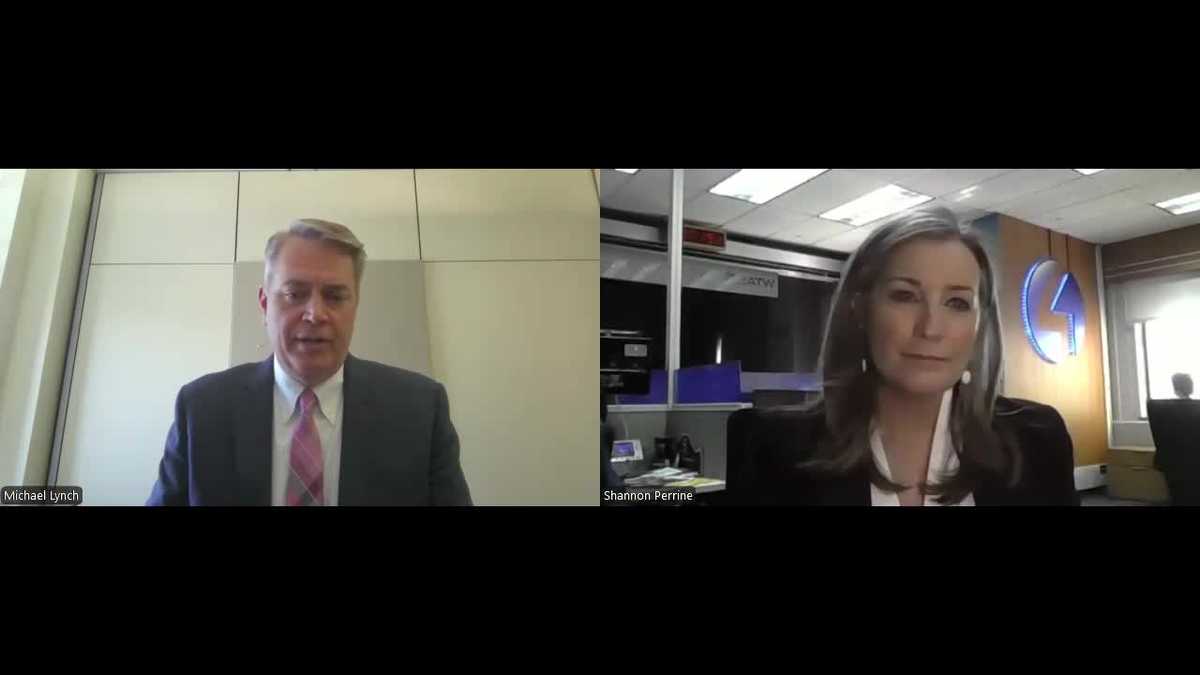
Lynch answered questions about medetomidine during an interview with Pittsburgh’s Action News 4. You can watch the full interview in the video player at the top of this page.
Download the WTAE app to stay connected with breaking news. Sign up for our email newsletters to get breaking news in your inbox.