
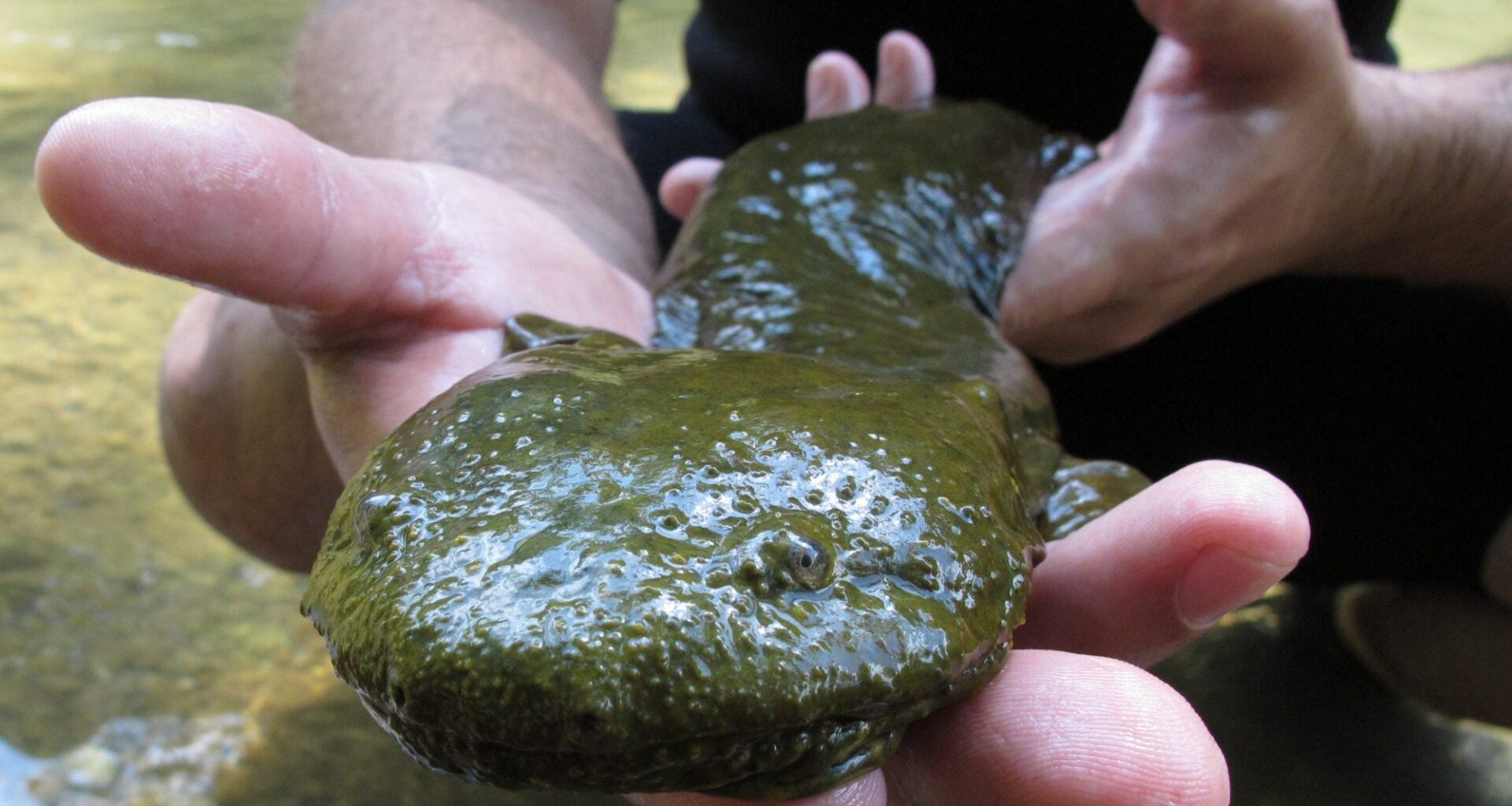
JL: OK, in the plant category. We learned the plight of the red spruce tree found northeast of us in Pennsylvania. Red spruce can be used for lumber. It makes great musical instruments. Red spruce provides food and cover for various mammals and birds.
SP: It likes cool, high elevations with moist cloud cover. Climate change is threatening their survival in our state because it’s threatening the microclimate that they rely on. The overall health of the red spruce seems to be declining also due to pollution, and they are impacted by several insects. So this tree is extremely vulnerable on this list.
 In this image provided by the U.S. Department of Agriculture, a red spruce tree rises in the background at Pisgah National Forest in N.C. (Aaron Perez/USDA via AP)
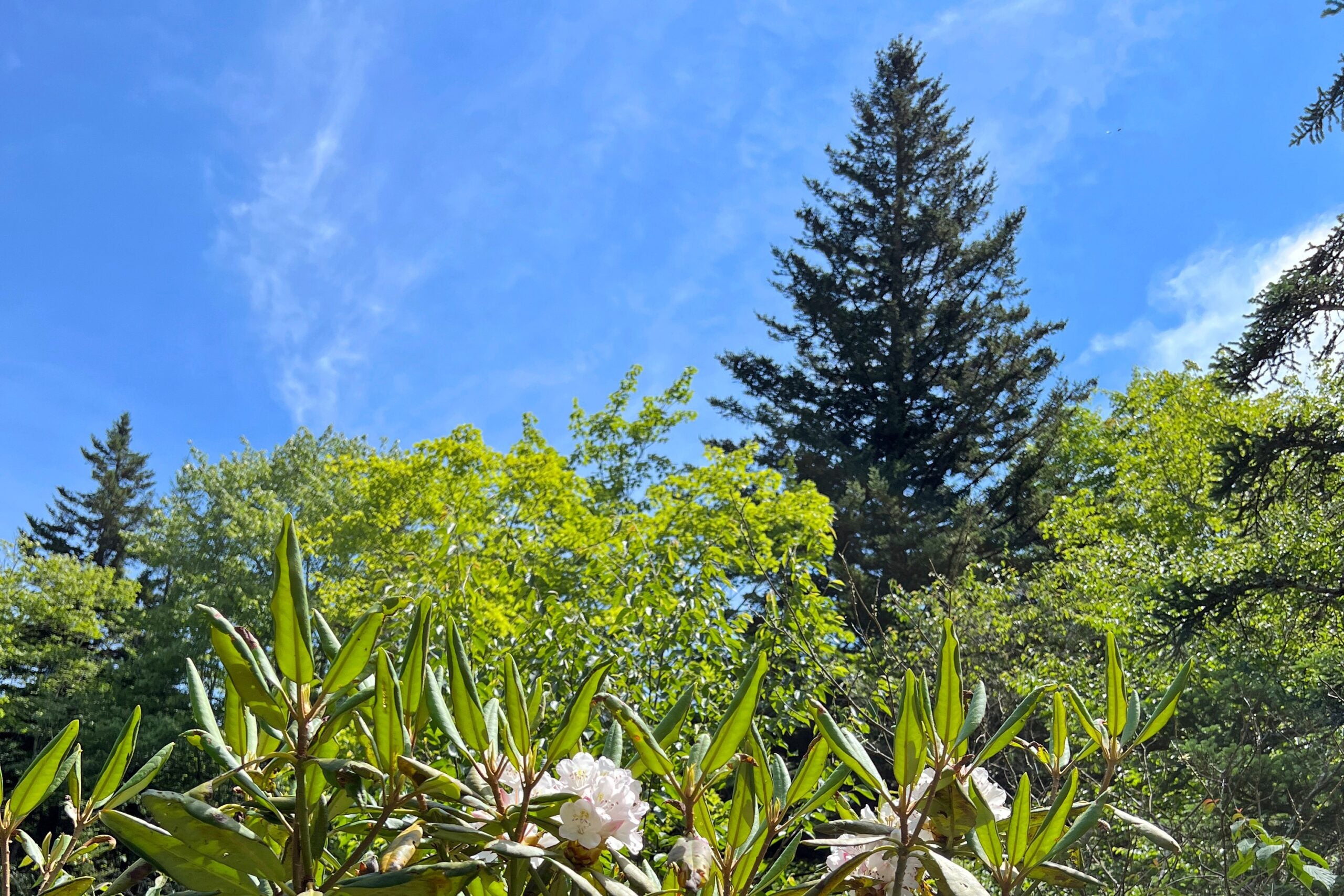
JL: Susan, did you know Pennsylvania has a state amphibian?
SP: Yes, the famous eastern hellbender. So this is actually a salamander. But if you haven’t ever seen one, just listen to a few nicknames for it: snot otter, devil dog, old lasagna sides. It’s got this flat head, a wrinkled body, and a paddle-shaped tail, so it looks prehistoric and weird. It’s actually existed for millions of years, and they can live for more than 30 years.
JL: Well, it says these little snot otters are found in waterways in the central and western part of Pennsylvania.
SP: And they need clean, cool water. They can’t easily adapt to a changing climate, and they have declined so much, 59% in the last six years actually, that the [U.S.] Fish and Wildlife Service has proposed listing them under the Endangered Species Act. They are very well adapted to their little microclimates and waterways in western Pennsylvania, and they just can’t move easily when the temperatures change.
They’ve also been illegally collected from the wild, and that’s just not good.
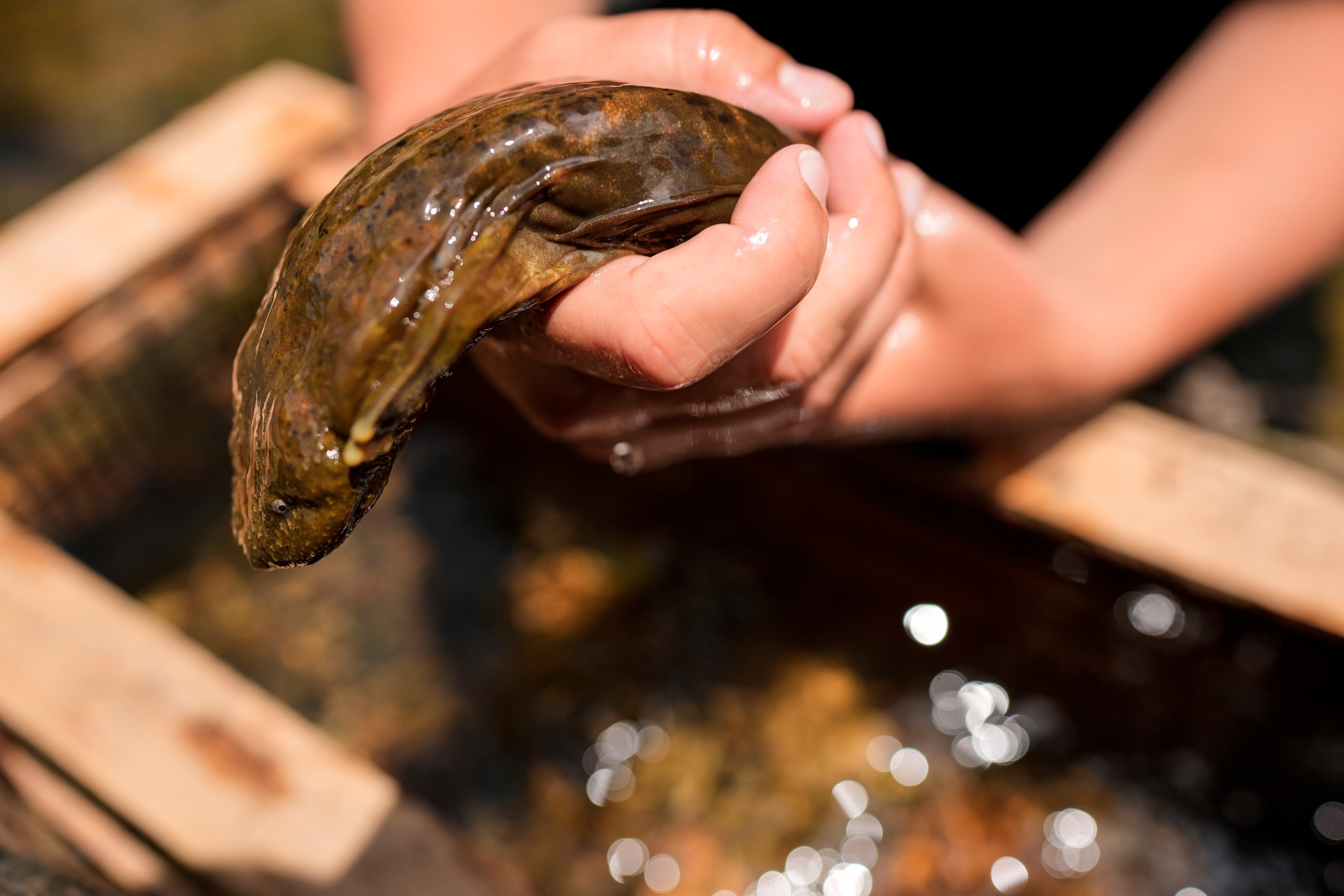 Hannah Woodburn holds an eastern hellbender salamander near its cage where it will stay for 48 to 60 hours after relocation, on the Watauga River, Wednesday, June 26, 2024, near Boone, N.C. (AP Photo/Mike Stewart)
JL: You know, when I was a kid, we would wade around in the creek near our house and bring back little critters like maybe a turtle ’til our parents would be really upset and say, you’ve got to take this back into the woods now.
SP: I took a turtle in for show and tell one day. It’s just not a good idea and can be actually illegal if the turtle is native and endangered.
So let’s talk about the bog turtle. It’s actually New Jersey’s state reptile. Again, these little critters don’t adapt well, and like the hellbender, they are illegally taken as pets.
The bog turtle is tiny. An adult fits into the palm of your hand, and when they are born, they’re only the size of your thumb. So they’re so cute and really cool looking, they have these bright orange and yellow spots on their neck, like a little necklace, and they don’t snap at you. So you can understand why people want to take them home, but again, it’s not a good idea. And it’s actually illegal.
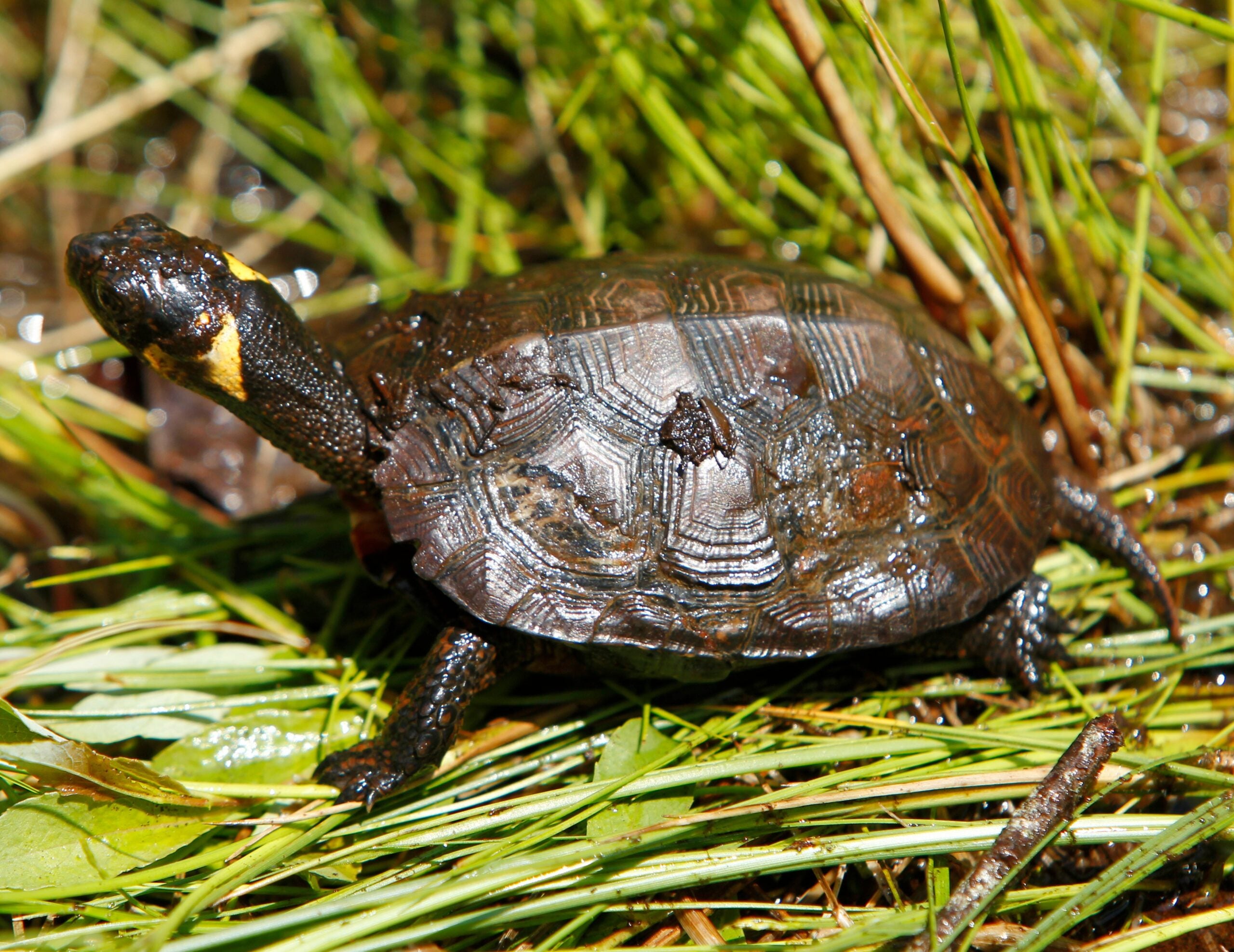 In this May 5, 2010 photo, a bog turtle is seen in Millbrook, N.Y. (AP Photo/Mike Groll)
JL: What makes them extremely vulnerable in this list?
SP: They can’t move very well to a better climate, but they’re also eaten by raccoons. The other thing is humans often step on them while they’re hiking because they don’t see them. And they really need to move to a cooler climate, but like the hellbender, they have a hard time getting there in part because of everything we’ve built, like roads, developments, etc.
They’ve actually been on the endangered species list since 1974, and climate change could really deplete their population.