
ALLENTOWN, Pa. – The Lehigh County Board of Commissioners on Wednesday approved an ordinance authorizing a regional partnership for a juvenile detention center.
The 6-3 vote came after hours of debate over incarceration, costs and the county’s long-term approach to youth justice.
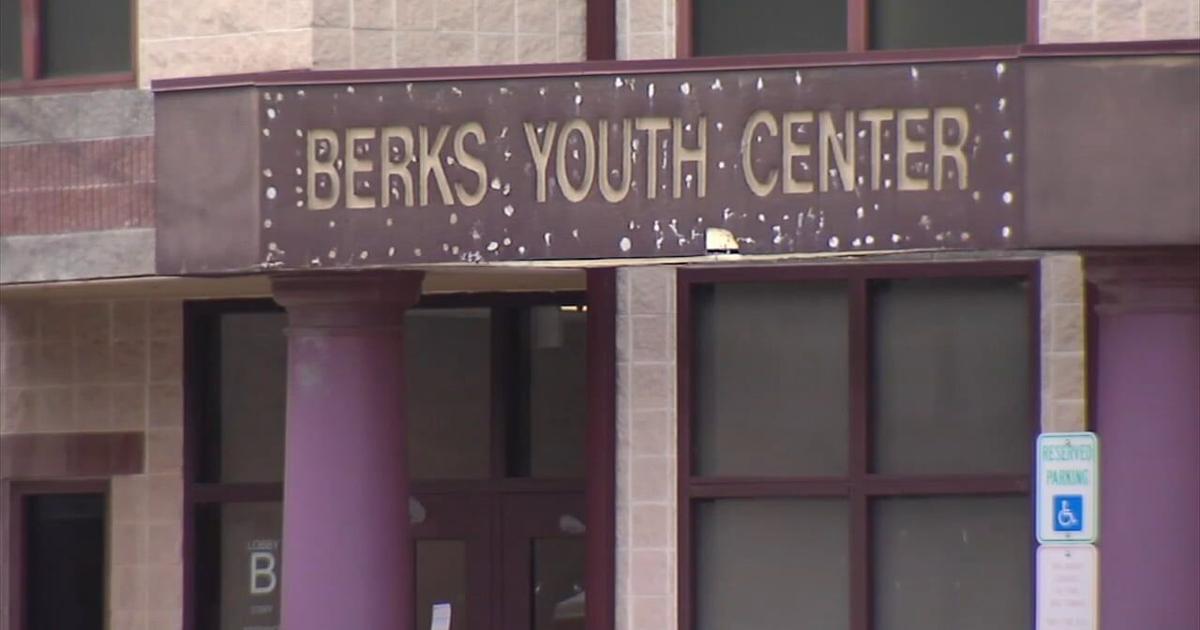
The measure, known as Bill 14, establishes an intergovernmental agreement with Berks, Dauphin and Lackawanna counties to create the Southeast Youth Detention Agency, which will operate a secure detention facility in Berks County.
Officials announced Wednesday that Delaware County will also be joining the mix, but it had not yet been included in the formal agreement voted on Wednesday night.
Under the 20-year, four-county agreement, each county will pay one-quarter of the facility’s operating costs, estimated at $10.5 million annually, or roughly $2.6 million per county. The center is expected to include at least 40 beds, with 10 beds allocated to each participating county. Cost would change as more counties become involved.
Officials said the plan is intended to address a statewide shortage of juvenile detention beds and provide more consistent, locally controlled placements for youth who require secure detention.
Supporters argued the current system, which relies on contracts with multiple facilities, is unreliable and limits the county’s oversight.
“We’re buying beds, but we have no say in programming, visitation or services,” said Chief Juvenile Probation Officer Kevin Miller. “This becomes a true partnership.”
“I have full faith this is going to be a good thing,” said Commissioner Antonio Pineda.
Miller said juveniles are often moved between facilities, sometimes several times in a year, creating instability for families and logistical challenges for courts and law enforcement.
“This is one of the best plans we’ve had since we closed our facility,” he said.
Speaking in support of the center, President Judge Douglas G. Reichley said the county needs a “secure, reliable and responsibly managed” short-term detention option for youth accused of serious offenses.
He said most stays last about a month while cases are resolved.
Commissioners supporting the measure also pointed to concerns about private providers, including past issues with the Abraxas facility in Berks County.
Indeed, Commissioner Chair Geoff Brace advised against relying on non-governmental facilities for county needs.
Commissioner Ron Beitler said the bill represented the “best product possible brought to us by our experts in the field.”
County Executive Josh Siegel has said the regional model reflects both a shortage of available beds and declining detention numbers, with Lehigh County averaging about five youths per day in detention.
He said Wednesday that incarceration is not the “end goal for the youth in our care.”
Instead, it’s “just the beginning of that continuum of recovery.”
Opponents, however, questioned the long-term commitment and broader philosophy behind the plan.
Commissioner Jon Irons voted against the measure, arguing it prioritizes incarceration over addressing root causes such as poverty and lack of resources.
“This is an investment in a system of state violence,” Irons said. “We should be investing in housing, food, education and prevention.”
Irons and others also raised concerns about the 20-year term and the county’s ability to adapt to changing needs.
Commissioner Sarah Fevig acknowledged the agreement is not perfect but said it offers a more stable and cost-effective solution than the current system.
Public comment during the four-hour meeting reflected similar divisions.
One commenter, Ettore Angelo, a criminal attorney, criticized the process and called for stronger adherence to basic governance principles.
“Due diligence and transparency are the most basic responsibilities you have,” he said. “If you don’t follow them, it invalidates what you do later on.”
Lehigh County Controller Mark Pinsley said a decision of that magnitude should be supported by a comprehensive analysis.
“This should come with a full due diligence binder [including] financial projections, alternatives and legal analysis…so everyone is working from the same information,” Pinsley said.
Several speakers said the county moved too quickly and failed to adequately involve the community, particularly families impacted by the juvenile justice system.
“You’re telling us what the community needs, but the community doesn’t even know about this,” one speaker said.
Others opposed the plan on philosophical grounds, arguing it prioritizes incarceration over prevention and community investment.
“We can’t build our way out of this,” one resident said.
Some speakers shared personal experiences, describing lasting harm to youth and families.
“My son did not come home the same,” one commenter said. “It broke our family apart.”
Yet others said incarceration can teach structure that combats what can be a chaotic home life. Several professionals in the juvenile justice system said secure detention remains necessary in a small number of cases.
A probation officer with 30 years of experience said diversion programs have reduced detention significantly, but serious cases still require secure placement.
“We’ve come a long way, but there are cases where detention is necessary to protect the community,” he said.
A licensed clinical social worker with the county said more than half the youth in the system have significant mental health needs and that current resources are insufficient.
“When detention is necessary, it needs to be safe, appropriate and available,” she said.
The facility is planned for a Berks County-owned site in Leesport and will be governed by a 12-member council representing the participating counties.
In other business, commissioners also approved a paid parental leave policy that would provide eight weeks of leave for eligible county employees, aimed at improving recruitment and retention.