
A rare Conestoga wagon, a historic symbol of early American transportation, will be featured at the Pennsylvania Antiques Show at Valley Forge Casino Resort this weekend as part of the nation’s 250th anniversary celebration. A piece of early American historyMichael Baltozer, a collector who grew up on a Lancaster County farm, has spent years preserving antique tools, implements and farm equipment, transforming a large dairy barn in West Hempfield Township into a museum-like collection space. Among his collection is Conestoga wagons, which he said played a major role in shaping the country’s growth.”The Conestoga wagon built the country, you know, in the 1700s and in the 1800s,” Baltozer said. Developed in the Conestoga Valley of Lancaster County, the wagons were known for their distinctive boat-like wooden design and were used to haul farm products and other goods to towns and cities. Although thousands were once built, few remain in largely original condition. A rare surviving wagon Baltozer pointed out one wagon in his collection, made in Adams County and signed by the blacksmith, as a rare example. “There’s very few restorations done to this particular wagon. Some wagons, you see, are very repainted or highly restored. There’s probably only 20 or 30 left in the country,” he said. Life on the wagon trailConestoga wagons were typically drawn by six large horses, with drivers walking alongside for most of the journey. Baltozer explained that drivers could use a pull-out seat to rest their feet during long trips. “Every wagon had a toolbox, some more elaborate than others. But they weren’t very big to store a lot of tools, maybe just lunch,” he said. Heading to Valley ForgeTo celebrate America’s 250th anniversary, Baltozer is taking the historic wagon to Valley Forge, where it will be displayed at the Pennsylvania Antiques Show. “Well, it’s very iconic, and it’s at Valley Forge. And what’s more iconic? So the wagon, you know, draws people to the antique show,” he said. The Pennsylvania Antiques Show benefits Historic Trappe’s educational programs. The nonprofit owns The Speaker’s House, the home of the first U.S. Speaker of the House in Montgomery County. Historic connection to WGALThe Conestoga wagon also holds special significance for WGAL. The wagon was once part of the station’s logo, chosen by station leadership as a symbol of progress in the 1700s, an idea that reflected WGAL’s commitment to progress in the Susquehanna Valley. Video below: From the toolbox to the ‘lazy board,’ take a closer look at the rare wagon. Did you capture a moment that you would like to share with News 8? Send us your photos or videos at https://www.wgal.com/upload.
WEST HEMPFIELD TOWNSHIP, Pa. —
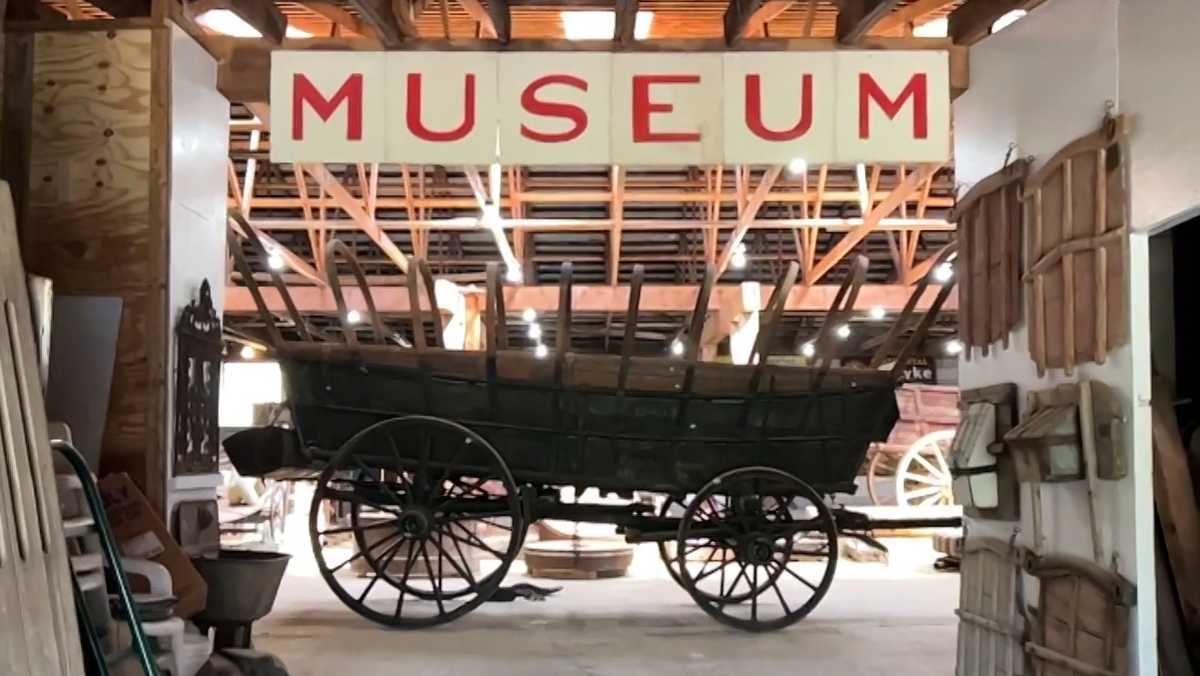
A rare Conestoga wagon, a historic symbol of early American transportation, will be featured at the Pennsylvania Antiques Show at Valley Forge Casino Resort this weekend as part of the nation’s 250th anniversary celebration.
A piece of early American history
Michael Baltozer, a collector who grew up on a Lancaster County farm, has spent years preserving antique tools, implements and farm equipment, transforming a large dairy barn in West Hempfield Township into a museum-like collection space.
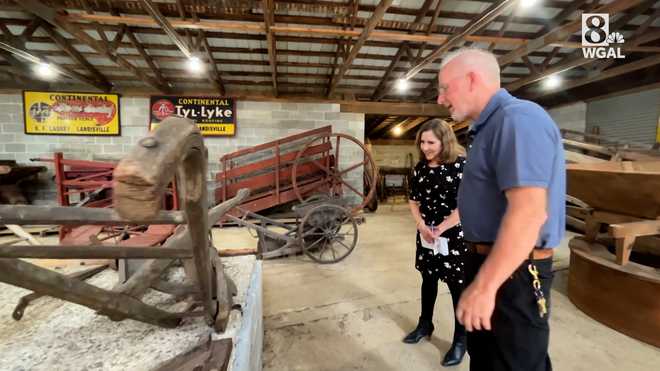
Among his collection is Conestoga wagons, which he said played a major role in shaping the country’s growth.
“The Conestoga wagon built the country, you know, in the 1700s and in the 1800s,” Baltozer said.
Developed in the Conestoga Valley of Lancaster County, the wagons were known for their distinctive boat-like wooden design and were used to haul farm products and other goods to towns and cities.
Although thousands were once built, few remain in largely original condition.
A rare surviving wagon
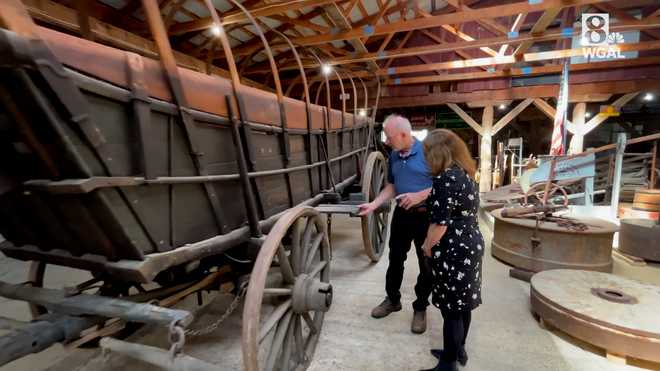
Baltozer pointed out one wagon in his collection, made in Adams County and signed by the blacksmith, as a rare example.
“There’s very few restorations done to this particular wagon. Some wagons, you see, are very repainted or highly restored. There’s probably only 20 or 30 left in the country,” he said.
Life on the wagon trail
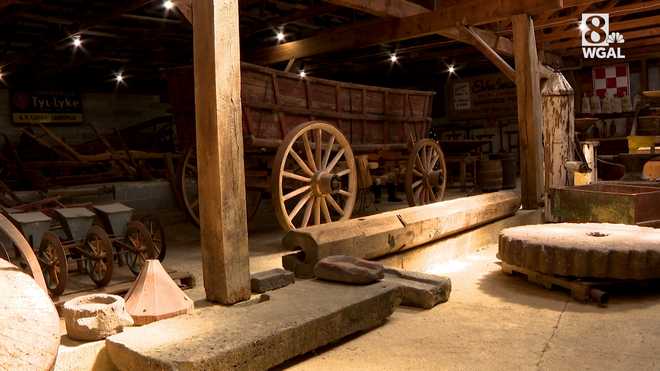
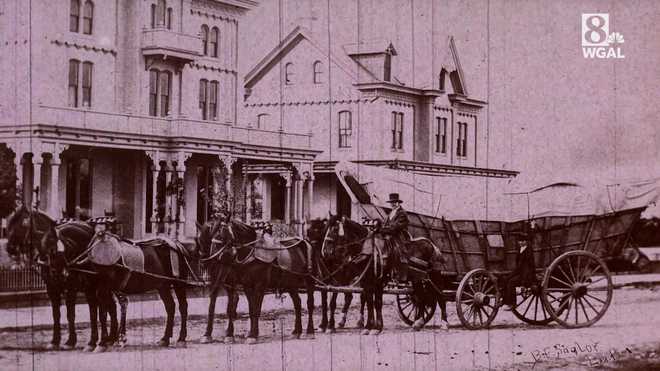
Conestoga wagons were typically drawn by six large horses, with drivers walking alongside for most of the journey.
Baltozer explained that drivers could use a pull-out seat to rest their feet during long trips.
“Every wagon had a toolbox, some more elaborate than others. But they weren’t very big to store a lot of tools, maybe just lunch,” he said.
Heading to Valley Forge
To celebrate America’s 250th anniversary, Baltozer is taking the historic wagon to Valley Forge, where it will be displayed at the Pennsylvania Antiques Show.
“Well, it’s very iconic, and it’s at Valley Forge. And what’s more iconic? So the wagon, you know, draws people to the antique show,” he said.
The Pennsylvania Antiques Show benefits Historic Trappe’s educational programs. The nonprofit owns The Speaker’s House, the home of the first U.S. Speaker of the House in Montgomery County.
Historic connection to WGAL
The Conestoga wagon also holds special significance for WGAL.
The wagon was once part of the station’s logo, chosen by station leadership as a symbol of progress in the 1700s, an idea that reflected WGAL’s commitment to progress in the Susquehanna Valley.
Video below: From the toolbox to the ‘lazy board,’ take a closer look at the rare wagon.
Did you capture a moment that you would like to share with News 8? Send us your photos or videos at https://www.wgal.com/upload.