
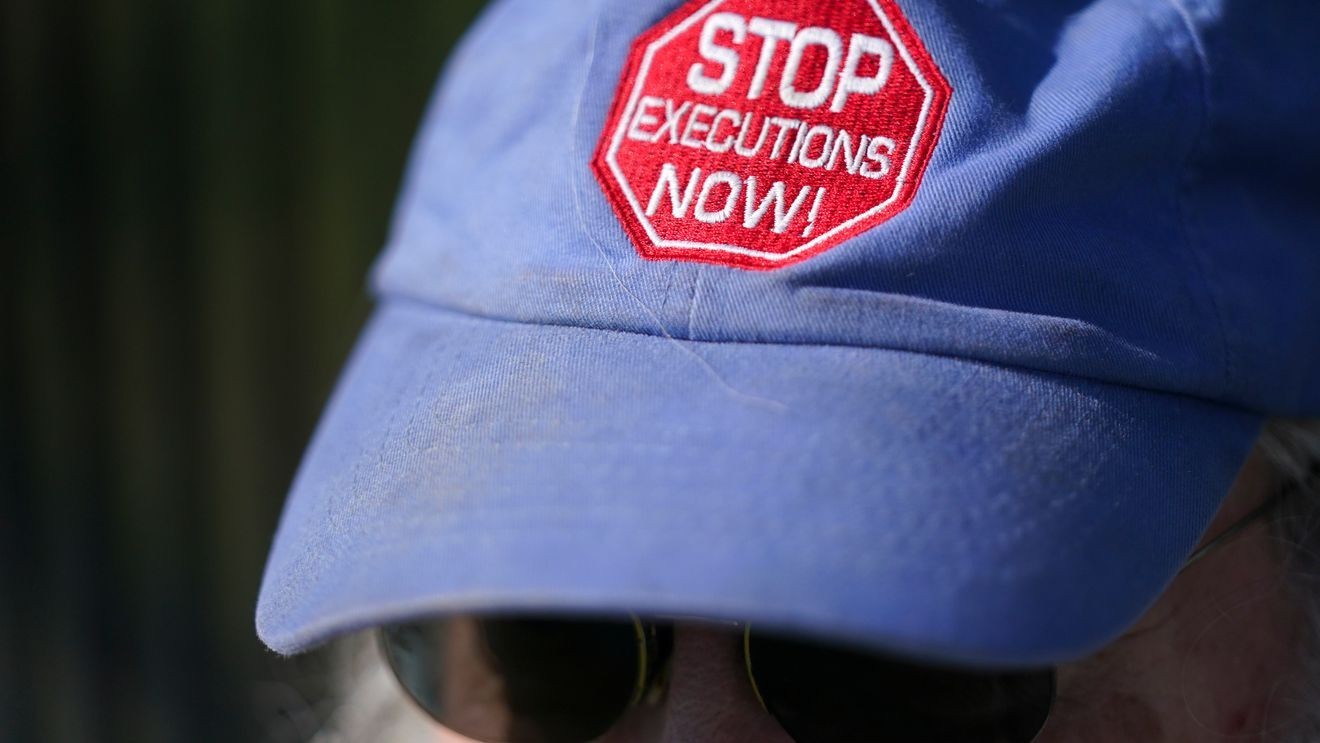
HARRISBURG, Pa. (WHP) — Pennsylvania lawmakers are pushing their chips into the middle of the table as a pair of bills to repeal the death penalty for first-degree murder in Pennsylvania passed a House committee on Monday.
House Bill 99 and House Bill 888 supporters argue that capital punishment is costly, inconsistently applied and has resulted in innocent people being executed in the past.
In an HB 888 legal memo, Rep. Russ Diamond (R-102) claims the death penalty fails to uphold the sanctity of human life and is inconsistent with pro-life values. He was joined by prime HB 99 sponsor Rep. Christoper Rabb (D-200), critiquing the government’s role in deciding which criminals live and die.
“Abolishing the death penalty aligns with pro-life values by affirming that the state should not take life as punishment, even in response to the gravest of crimes,” Diamond wrote.
He claimed it is not the role of government to decide who lives and dies, but rather to “protect and promote wherever possible.”
Diamond cited five points highlighting how the death penalty falls short as a moral standard of justice and equality.
Risk of Wrongful Execution: Over 190 individuals nationwide have been exonerated from death row since 1973, with some coming within days of execution. According to the Death Penalty Information Center, 13 individuals who had been sentenced to death in Pennsylvania were later exonerated, including one in 2024. Perpetuation of Violence: Diamond claimed that capital punishment fosters a cycle of violence that minimizes human life and undermines efforts to build a culture of life and hope. Justice can be served through life imprisonment without parole, which holds offenders accountable while preserving life.Bias and Inequities Persist: The application of the death penalty disproportionately affects people of color, those with limited financial resources, and individuals with mental illness or intellectual disabilities, according to Diamond.Deterrence is a Myth: Decades of research show no evidence that the death penalty deters crime more effectively than life imprisonment without parole. In light of this, Diamond claims public safety is better served by investing in crime prevention, rehabilitation, and community-based support systems.Economic and Ethical Costs: Pursuing the death penalty burdens taxpayers with high costs, diverting resources away from victim support and crime prevention efforts. A recent study found that since Pennsylvania enacted the death penalty in 1978, it has cost the state roughly $816 million more than the cost of life without parole.
According to the Department of Corrections, there are 95 people on death row in Pennsylvania, but only three have been executed in the Commonwealth.
Executions in Pennsylvania remain under a moratorium, with the last execution carried out in 1999 when Gary Heidnik was put to death.
Comment with Bubbles
BE THE FIRST TO COMMENT
Currently, 23 states and Washington, D.C., have already abolished the death penalty. Diamond and Rabb both claim Pennsylvania can and should prioritize a consistent ethic of life in our justice system by joining them.