
KINGSTON, LUZERNE CO. (WOLF) — Pennsylvania officials are sounding the alarm and warning senior citizens about a growing wave of scams costing millions. State leaders say criminals are getting more sophisticated, and they’re targeting one of the most vulnerable populations.
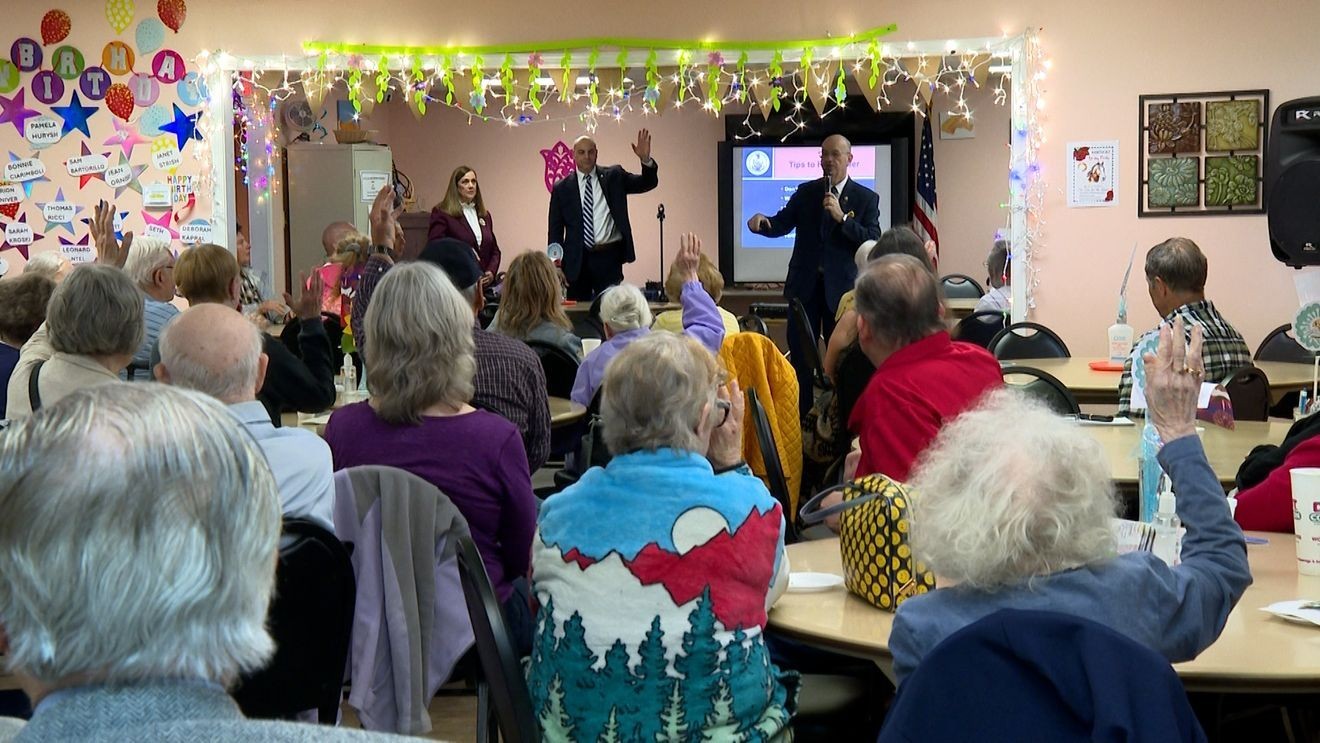
At the Kingston Active Adult Center, more than 50 seniors gathered as State Senator Lisa Baker and Pennsylvania Attorney General Dave Sunday delivered a stark message, scammers are evolving, and the stakes are high.
The Bureau of Consumer Protection says it handled more than 4,000 scam complaints from Pennsylvanians last year, with losses totaling 76 million dollars.
Attorney General Dave Sunday says Pennsylvania is especially at risk.
“We have one of the highest populations of senior citizens in the entire country here in Pennsylvania,” said Sunday. “There are bad people across the whole world that do everything they can to try to steal money from senior citizens. The most important thing that they can do is protect themselves and be in a position where they’re not scammed in the first place.”
Pennsylvania has the 5th largest senior population in the country.
Officials say modern technology, including artificial intelligence, has made scams harder to detect.
“Even a few years ago, the type of scams was different because of technology. The scams are now way more sophisticated and they’re even harder for people to detect,” said Sunday.
And many cases go unreported. Experts estimate only 1 in 44 incidents of fraud targeting seniors is ever reported, often because victims feel embarrassed.
State Senator Lisa Baker says she hears about it often.
“It’s one of the common complaints I get in my district office, whether it’s information, or sweepstakes. I had one woman that her family asked me to write a letter to her, telling her not to send the money. She was sending money every time they contacted her,” said Baker.
To combat the issue, the Attorney General’s Office launched a new elder exploitation section last October, bringing together investigators and prosecutors focused on fraud against seniors.
But officials stress prevention is key.
They’re urging residents to verify before trusting, never give out personal information, don’t answer unknown calls, and remember, legitimate banks or government agencies will never ask for sensitive information over the phone.