
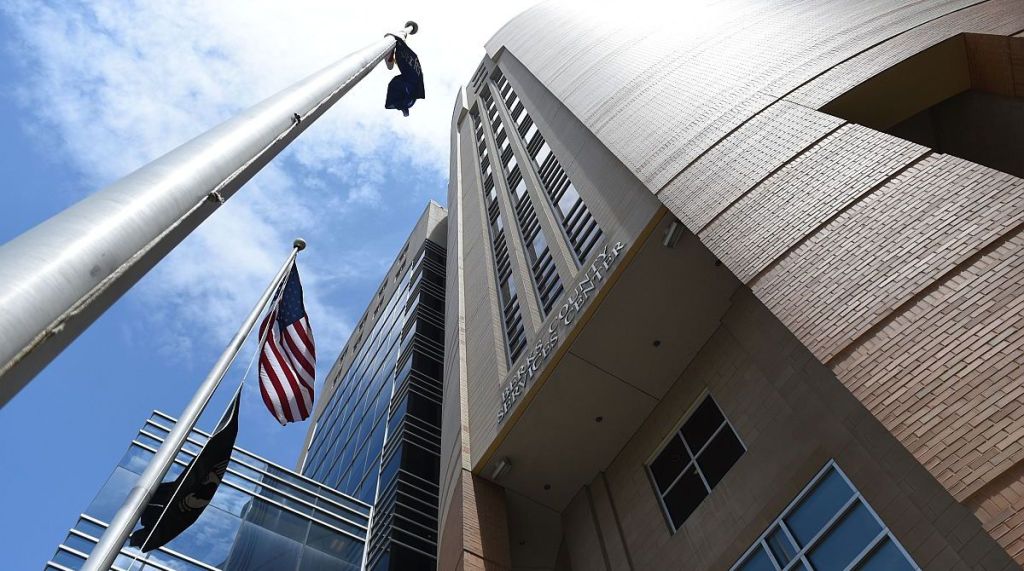
Berks County officials have banned election workers from using prediction markets to bet on elections.
The board of elections approved a resolution Thursday that amended the oath election workers will take ahead of the May 19 primary to include the ban.
Prediction markets are online platforms where users bet on the outcomes of future events like elections, sports, economic indicators and military operations. They have been surging in popularity and are facing increased scrutiny amid reports of insider trading.
While Pennsylvania law already prohibits those involved in running elections from directly or indirectly betting on the results, prediction markets claim they are different from traditional gambling because there is no house that sets the odds.
Commissioner Michael Rivera, who leads the election board, noted that the amended version of the oath will only pertain to those who help canvass and process mail ballots because the one taken by poll workers is statutorily set by state law.
He said including the ban on using prediction markets in the oath sends a clear message to election workers as well as voters that the county is taking steps to ensure that elections are free and fair of influence.
Commissioner Christian Leinbach said he brought the issue to the attention of the board after learning that Delaware County officials passed a similar resolution, becoming the first county in the state to approve the ban.
“Our poll workers need to understand that they can have nothing to do with prediction markets to protect the integrity of our elections,” he said. “This has become pervasive and we do not want this anywhere near our elections.”
Commissioner Dante Santoni Jr. said that when he first heard about the proposed ban he was unsure whether it was truly necessary. But, after learning more about prediction markets, he has come to believe the ban is appropriate to eliminate any appearance that those involved with the election process have a stake in the outcome.
Election equipment
Also at the meeting Thursday, the board voted to purchase two high-speed scanners to process mail ballots. The cost of the two scanners is about $300,000.
The decision to purchase the scanners comes after the board tabled the action at a March meeting, citing debate in Congress over the proposed SAVE America Act. The legislation, which would impose new voter registration and voting requirements, could make it more difficult for some to cast mail ballots.
But it appears the legislation has stalled.
“I believe we need to make the decision now and not wait until we get jammed in an election with significant voter turnout,” Leinbach said. “We need to be able to provide election results in a timely fashion.”
Santoni and Rivera agreed with the decision to move forward.
“The bill is stuck right now so if we put it on hold for a few more months I really don’t think anything will change at the federal level,” Rivera said. “It would only hinder the purchase, delivery and training of this equipment for the November election.”