
El Niño may limit 2026 storm totals, but experts warn PA that one tropical system is all it takes to cause inland flooding.
YORK, Pa. — As the 2026 Atlantic hurricane season approaches, meteorologists are reminding Pennsylvanians that living far from the coast does not mean being immune to tropical impacts.
While forecasters expect this season to be near or slightly below average overall, experts say inland flooding, damaging winds, and severe weather remain very real threats across Pennsylvania whenever tropical systems move inland.
According to Kyle Elliott, director of the Millersville University Weather Information Center, developing El Niño conditions in the Pacific could limit the total number of Atlantic storms this season. El Niño years typically create stronger wind shear over the Atlantic, which can disrupt tropical systems and make it harder for hurricanes to organize and intensify.
Even so, Elliott says one storm is all it takes to create major problems.
“We tend to get systems that are more homegrown,” Elliott explained, referring to storms that develop closer to the United States in the Gulf of Mexico or Caribbean. “Because they develop closer to home, they do have a better chance of hitting some areas of the United States.”
While Pennsylvania sits off of the coastline, the state has seen repeated impacts from tropical remnants over the years.
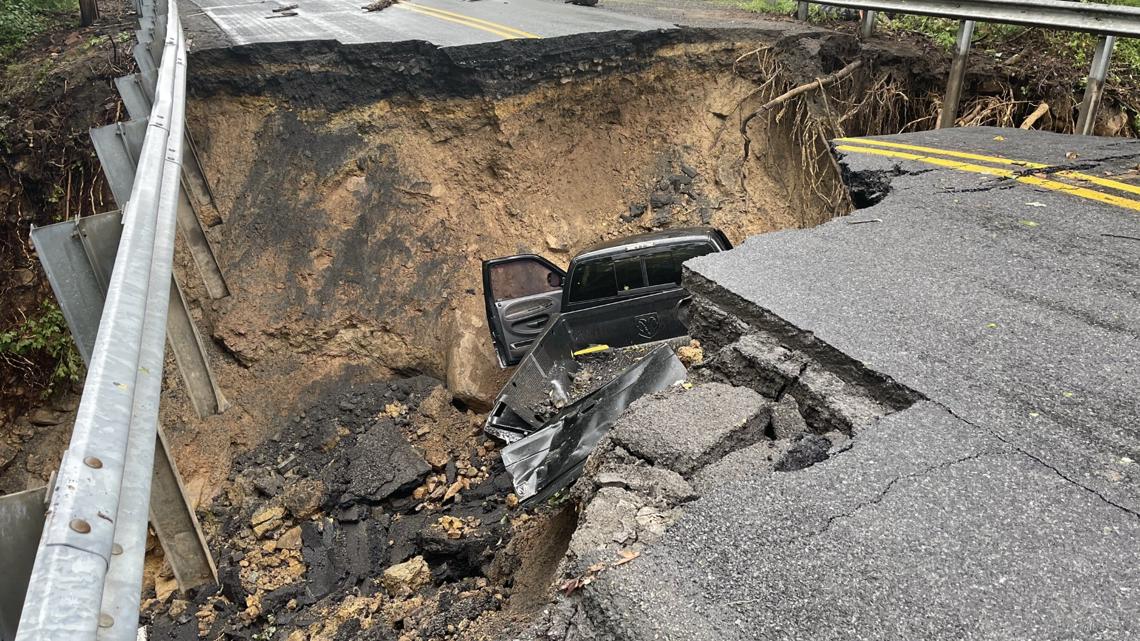
The biggest concern inland is often flooding. As tropical systems move into the Appalachians and Mid-Atlantic, they can slow down dramatically, unloading several inches of rain over the same areas for hours at a time. That can quickly overwhelm creeks, rivers, and storm drains.
Pennsylvania has experienced several historic flooding events tied to tropical remnants, including Hurricane Agnes in 1972, Tropical Storm Lee in 2011, and Hurricane Ida in 2021. Agnes remains one of the worst flooding disasters in state history, while Lee caused catastrophic flooding on smaller streams and creeks throughout parts of central and eastern Pennsylvania.
But flooding is not the only threat.
Depending on a storm’s track and speed, tropical remnants can also produce severe thunderstorms and damaging wind gusts far inland. Elliott pointed to Hurricane Isabel in 2003, which brought winds topping 70 mph to parts of Pennsylvania after moving inland from the East Coast.
The recent trend has also kept forecasters paying close attention. Pennsylvania experienced impacts from tropical remnants in multiple consecutive years before finally catching a break last season.
Emergency officials encourage residents to prepare before the peak of hurricane season arrives later this summer and into early fall. That includes having multiple ways to receive weather alerts, reviewing flood-prone travel routes, and assembling an emergency kit with essentials like flashlights, batteries, medications, bottled water, and important documents.
Experts also stress the importance of never driving through flooded roadways. Just a small amount of moving water can stall or sweep away a vehicle.
For families traveling to the coast this summer, Elliott also says it is important to monitor beach forecasts. Even storms hundreds of miles offshore can generate dangerous rip currents along the East Coast on otherwise sunny days.
Forecasters say the bottom line is simple: regardless of how active the season becomes overall, inland states like Pennsylvania should still stay weather aware throughout hurricane season.