
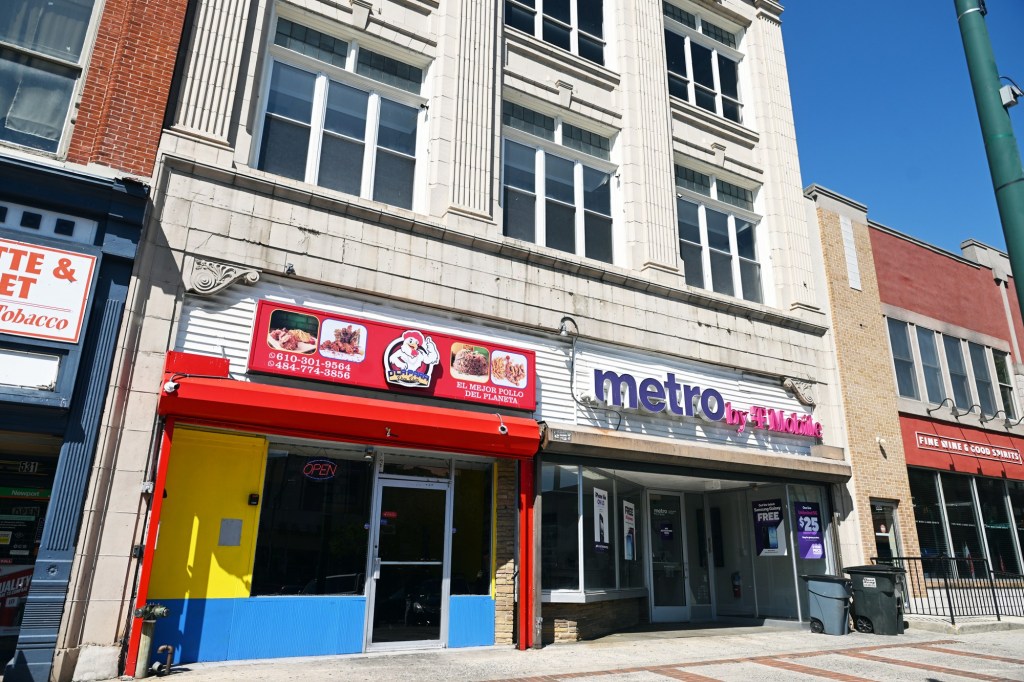
A new Reading program aims at addressing the citywide housing shortage by turning long-vacant upper floors of commercial buildings into housing.
Staff from the city’s Community Development and Public Works departments outlined the proposed Downtown Housing Initiative during a recent City Council meeting.
“This program was envisioned as a program that would catalyze workforce housing development in the downtown area,” Community Development Program Manager Tony Veloz told council.
City officials said the need is significant.
According to Veloz, Reading faces a deficit of about 5,000 housing units, a gap identified in a recent equity plan. The administration has set a goal of adding 500 units by 2027 and 5,000 by 2040.
At the same time, dozens of upper floors in downtown buildings remain vacant or underused, he said.
“Our preliminary research shows that there are probably around 67 either vacant or underutilized upper stories across 29 buildings in the downtown area,” Veloz said.
Those spaces have largely gone undeveloped because of high costs, including fire suppression systems, code compliance and historic preservation requirements, he noted.
The proposed program would use competitive grants to offset those barriers. Officials plan to offer up to $100,000 per project, with applicants required to provide a 25% match. Funding would come from about $1 million previously allocated in the city’s Housing Improvement Fund.
The initial focus would be the 200 through 500 blocks of Penn Street, with the first round expected to support about 10 projects and create roughly 60 housing units, Veloz said.
“This will serve as a pilot for potential future funding rounds downtown and elsewhere in the city,” he said.
To ensure affordability, the program would require that at least half of the new units remain accessible for households earning 60% to 120% of area median income for a minimum of 10 years.
City Sustainability Manager Bethany Ayers-Fisher said the grants are intentionally focused on less visible but critical improvements.
“Nobody’s funding fire suppression, nobody’s funding egress,” she said. “Those are expenses that a developer may not have in mind when they want to do the shiny, pretty things. We want the safety things.”
Officials emphasized that addressing those safety requirements can ultimately improve long-term project viability through lower insurance costs and safer buildings.
Veloz also noted the increased residential presence would boost foot traffic downtown and support existing businesses.
A sample project presented at the meeting offered a glimpse of what the initiative could produce.
Jay Lemm, owner of 533 Penn St., said he hopes to convert vacant upper floors into six apartments, adding residents to a building that houses commercial tenants on the ground floor.
“We try to occupy the space and get more traffic on the downtown area,” Lemm told council.
Council members largely welcomed the proposal, noting longstanding concerns about the lack of activity downtown after business hours.
Councilman O. Christopher Miller and council President Donna Reed said visitors often ask why the downtown lacks visible activity.
“Usually, city cores are where you see people populating the sidewalks,” Reed said.
Councilwoman Melissa Ventura, a native of New York, echoed those thoughts, describing her surprise on moving to Reading and finding empty streets and darkened buildings downtown after 5 p.m.
City officials said they hope the program will help create a more active, safer and economically vibrant downtown.
If approved, the city plans to launch applications in May, close submissions in June and announce awards in July.
Construction could begin as early as August, Veloz said, with projects expected to wrap up by early 2027.