
Home
»
Latest Travel News
»
Scranton Unites Reading, Allentown, Pittsburgh, Philadelphia, Erie And Lancaster Cities To Reveal The Secret Strategy Where These Pennsylvania Hubs Are Fueling Public Services By Transforming Global Travel Into A Daily Financial Powerhouse Of Prosperity Across The United States, Explore The Comprehensive Masterplan Inside
Published on
May 11, 2026
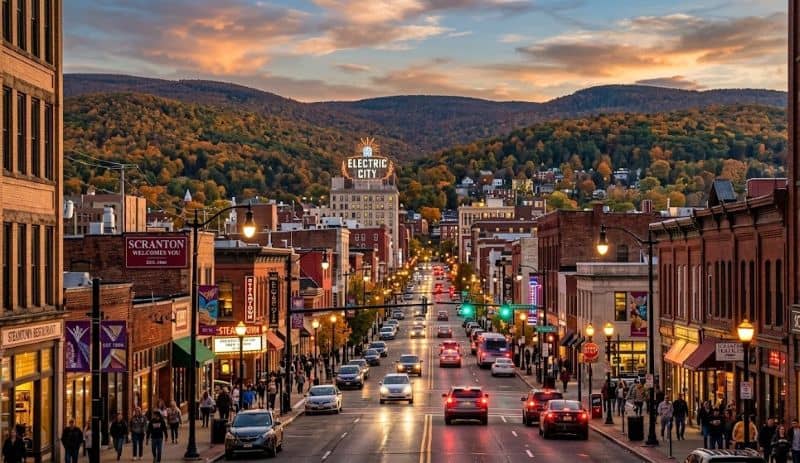
Image generated with Ai
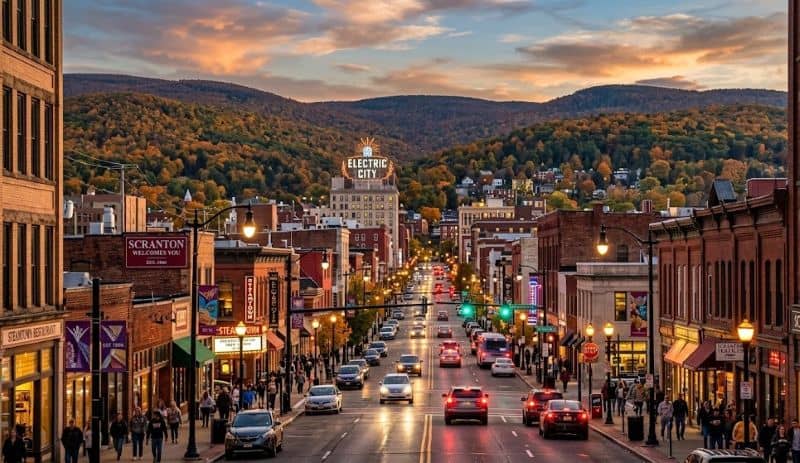
Scranton unites Reading, Allentown, Pittsburgh, Philadelphia, Erie and Lancaster cities in a breathtaking economic symphony that is shaking the United States. Right now, these Pennsylvania hubs are fueling public services by transforming global travel into a daily financial powerhouse of unmatched prosperity. Travel And Tour World urges readers to witness how Philadelphia and Pittsburgh ignite this secret strategy, while Erie and Lancaster cities amplify the momentum. As Scranton unites the north and south, Allentown and Reading unveil a masterplan where global travel is the high-octane engine and public services are the direct beneficiaries of the fuel.
This is more than a policy; it is a financial powerhouse of prosperity where every Pennsylvania district thrives. These hubs are transforming global travel into a goldmine, ensuring fueling public services remains the ultimate goal. Prosperity is no longer a dream; it is the inevitable result. Read the entire story to uncover why Scranton unites a nation and why Philadelphia, Pittsburgh, Erie, and Lancaster are the shining pillars of the United States.
The Architecture of an Economic Miracle
The cause of this tectonic shift in regional economics is the realization that global travel is a high-velocity financial powerhouse rather than a mere leisure pursuit. Facing the monumental pressures of the 2026 FIFA World Cup and the 250th Anniversary of the United States, Pennsylvania encountered a fiscal crossroads. The state required a massive influx of capital to support public services without placing an exhausting burden on the local taxpayer. This necessity birthed the “Tax Exportation” model a revolutionary catalyst that turns the international visitor into the primary financier of domestic growth.
The answer lies in a coordinated masterplan where Scranton, Reading, Allentown, Pittsburgh, Philadelphia, Erie, and Lancaster function as a unified economic engine. By implementing sophisticated Hotel Occupancy Taxes, these Pennsylvania hubs capture wealth from global travel at the point of entry. This capital is then surgically redistributed to fueling public services, including the $1.7 billion airport modernization in Pittsburgh and essential social equity programs in Philadelphia. This strategic capture ensures that every boutique stay and gourmet meal contributes directly to the General Fund, creating a self-perpetuating cycle of prosperity.
The reason for this overwhelming success is the Multiplier Effect. Each dollar harvested from a global travel journey ripples through the United States economy, creating a daily financial powerhouse that supports infrastructure and social safety nets. This secret strategy aligns the desires of the wanderer with the needs of the resident, offering elite safety and high-tech amenities in exchange for municipal support. Ultimately, it ensures that the prosperity generated by global curiosity is harnessed to build a resilient, world-class future for every Pennsylvania city involved.
Advertisement
Advertisement
The Great Keystone Awakening: Why Pennsylvania is the Global Blueprint for the Travel Revolution
The world has shifted on its axis, and with it, the very soul of what it means to cross a border or traverse a state line. In the momentous year of 2026, travel has shed its old skin as a mere luxury or a seasonal pastime. It has matured into the lifeblood of modern civilisation a sophisticated, invisible web of wealth redistribution that breathes life into the heart of our urban landscapes. At the absolute centre of this global metamorphosis stands Pennsylvania, a territory that has mastered the alchemy of turning the wanderlust of strangers into the concrete well-being of its people. For generations, the Keystone State was framed by the soot and steel of its industrial heritage, but today, the Pennsylvania Department of Community and Economic Development (PA DCED) unveils a reality far more dazzling: a monumental $83.9 billion tourism engine that drives every heartbeat of local life.
Advertisement
Advertisement
The true impact of travel and tourism in this era reaches far beyond the simple, aesthetic pleasure of watching a crimson sunset dip below the Susquehanna River or feeling the historical weight of Independence Hall. We are witnessing a profound socio-economic phenomenon. When a global nomad checks into a boutique hotel in Philadelphia or a business traveller dines in a sleek bistro in Pittsburgh, they are doing more than simply purchasing a service. They are active participants in a grand, financial symphony. This is the dawn of the “Financial Powerhouse” era, where the capital of non-residents is captured through ingenious tax structures to fund the essential pillars of society the roads, the emergency services, and the sanitation systems that local residents depend upon. In this brave new world, the visitor effectively, and quite generously, subsidises the resident’s very existence.
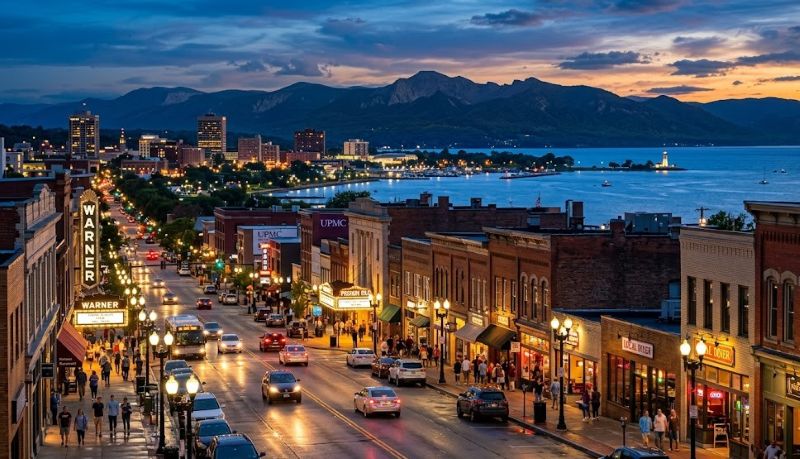
Image generated with Ai
As we move through 2026, the stakes have reached a fever pitch. With the arrival of the FIFA World Cup and the historic 250th Anniversary of the United States, the eyes of the planet are locked onto this corridor of heritage and innovation. These landmarks are not merely cultural festivities; they are high-octane economic catalysts projected to pour hundreds of millions of pounds into municipal coffers. The governing philosophy is as simple as it is revolutionary: Tax Exportation. By masterfully leveraging Hotel Occupancy Taxes, Pennsylvanian cities export their tax burden to a global audience, ensuring that the heavy lifting of maintaining a modern city is a shared international responsibility. This report explores the analytical soul of seven key cities that have harnessed this power to fund social equity, rebuild infrastructure, and protect the timeless spirit of their communities.
The Sovereign Financial Powerhouse: How Global Movement Feeds Pennsylvania
To truly comprehend the economic tapestry of Pennsylvania, one must first look at the sheer, staggering scale of the $83.9 billion industry that now dictates the state’s fiscal health. This is no longer a passive sector of the economy; it is a proactive, sovereign “Financial Powerhouse” operating on the relentless principle of the Multiplier Effect. Every single pound or dollar spent by a tourist at a local landmark creates a ripple that expands outward, sustaining independent businesses, sparking job creation, and flowing directly into the General Funds of local governments.
Advertisement
Advertisement
This revenue acts as a vital shield for the permanent population, insulating them from the aggressive rise of property taxes by harvesting wealth from those who are only passing through. The mechanism of Tax Exportation remains the secret weapon of the Keystone State. Through a meticulous combination of a 6% state Hotel Occupancy Tax and local levies that frequently reach an additional 5%, visitors contribute directly to the infrastructure they use. From the water that flows through the taps to the very pavements they tread upon, the cost is calculated and covered. As we celebrate the Semiquincentennial, this strategy is reaching its absolute zenith. The FIFA World Cup alone is expected to generate a breath-taking $700 million impact for Philadelphia. This is a masterclass in economic orchestration, proving that travel is the most stable currency in an increasingly volatile global market.
Philadelphia: The Vanguard of Social Justice and Urban Resilience
The City of Brotherly Love has reinvented itself, moving far beyond its reputation as a collection of colonial monuments to become a living, breathing laboratory for social progress. In Philadelphia, the revenue generated by travel is no longer a mere line item on a budget; it has become the primary engine for social equity. The city’s visionaries have realised that the global spotlight offers a once-in-a-generation chance to solve the most pressing urban challenges, particularly in the delicate areas of housing and public safety.
The intense debate surrounding the Hotel Tax Increase, which aims to push the total rate to 17.5%, is a bold declaration of this intent. This is not a tax designed for the sake of accumulation; it is a surgical strike against social instability. This increase is projected to raise $110 million annually, with every penny earmarked for homelessness initiatives and affordable housing. This creates a beautiful irony: a traveller enjoying the opulence of a suite near Rittenhouse Square is, through their stay, providing a roof and a bed for a vulnerable citizen.
As the FIFA World Cup draws the world to Philadelphia, the Police Department and the Street Maintenance crews find their operations bolstered by a surge in sales and lodging receipts. The city is being revitalised in real-time, funded by the very people who have come to marvel at its history. Philadelphia has successfully transformed the curiosity of the world into a tangible local benefit, ensuring that the legacy of 2026 is not just a sporting memory, but a permanent upgrade to the human condition within its borders.
Pittsburgh: Engineering the Future through Modernisation Hubs
Advertisement
Advertisement
On the western horizon, Pittsburgh has shed its industrial “Steel City” skin to emerge as a formidable, global Modernisation Hub. In this corner of the state, the travel economy is the high-performance engine behind some of the most ambitious infrastructure projects in the Western world. The city’s approach is deeply analytical, focusing on the belief that the efficient movement of people is the precursor to the efficient movement of capital and ideas. The undisputed crown jewel of this strategy is the $1.7 billion Terminal Modernisation Program at Pittsburgh International Airport. This is far more than a simple refurbishment; it is a total, ground-up reimagining of how a region connects to the world. Funded significantly by the wealth generated from travel and aviation, this project transforms Western PA into an elite destination for international trade.

Image generated with Ai
The impact is felt just as strongly on the ground. Tourism in the Pittsburgh region now generates more than $6 billion every year. This massive tax base allows the city to invest in “Quality-of-Life” services that define the 21st-century urban experience. The city’s world-class public park system and the stunning riverfront restorations along the Ohio, Allegheny, and Monongahela rivers are the direct results of this visitor-funded wealth. In Pittsburgh, the guest pays for the amenities that the resident enjoys, providing a world-class lifestyle without the burden of a world-class tax bill.
Lancaster: The Master of the Burden Shifter in Heritage Corridors
Lancaster offers a mesmerising study in how a smaller community can maintain a massive global profile without being crushed by the financial weight of its own fame. As a sanctuary for those seeking the quiet, rhythmic dignity of Amish Country and the historical depth of its downtown, Lancaster has perfected its role as the “Burden Shifter.”
The Lancaster County Planning Commission has been a staunch advocate for the “very important” role that the traveller plays in their local ecosystem. For a community of this scale, the costs associated with public safety and transportation mobility would be an impossible weight for residents to carry alone. However, by capturing the spending power of millions of annual visitors, Lancaster ensures that its rural lanes and city streets remain safe and meticulously maintained for everyone. This revenue also breathes life into the Historic Preservation Trust, ensuring that the iconic brick facades and the sprawling, pastoral farmlands are protected from the ravages of time. The sophisticated city wayfinding systems that guide a tourist from the Central Market to a historic theatre are the same tools that local families use for their daily errands. In Lancaster, the traveller is more than a guest; they are a partner in the preservation of a way of life.
Allentown: Urban Rejuvenation and the Lehigh Valley Renaissance
Advertisement
Advertisement
Allentown is a city that has used the magnetism of travel to claw back its identity and rebuild its heart. Through the strategic application of the Lehigh Valley Hotel Tax, the city has transformed a standard hospitality levy into a sophisticated tool for Urban Rejuvenation. The results of this gamble are visible in every gleaming window and felt on every vibrant street corner.
The primary engine of this rebirth is the PPL Center, a state-of-the-art arena that acts as the unbreakable anchor for the city’s downtown district. By drawing in sports enthusiasts, music lovers, and corporate travellers from across the region, the PPL Center creates a relentless flow of foot traffic. This activity feeds the Business Privilege Tax, which the city then funnels directly into the Clean and Safe program. This program is the literal heartbeat of Allentown’s transformation. It funds the dedicated public safety patrols and the maintenance teams that ensure the city’s sidewalks are clean, bright, and welcoming. Because of the travel economy, the people of Allentown possess a downtown that is not only economically solvent but physically beautiful. A visitor’s night at a concert becomes a resident’s guarantee of a safer, cleaner neighbourhood the following morning.
Erie: The Great Lakes Gatekeeper and the Architect of Infrastructure
As the only gateway to the Great Lakes in the state, Erie occupies a singular, coastal position. It is the “Great Lakes Gatekeeper,” a city that elegantly bridges the gap between international maritime commerce and regional relaxation. Erie has taken a cold, analytical look at its visitor economy and decided to use it as the primary source of “gap financing” for the infrastructure that matters most.
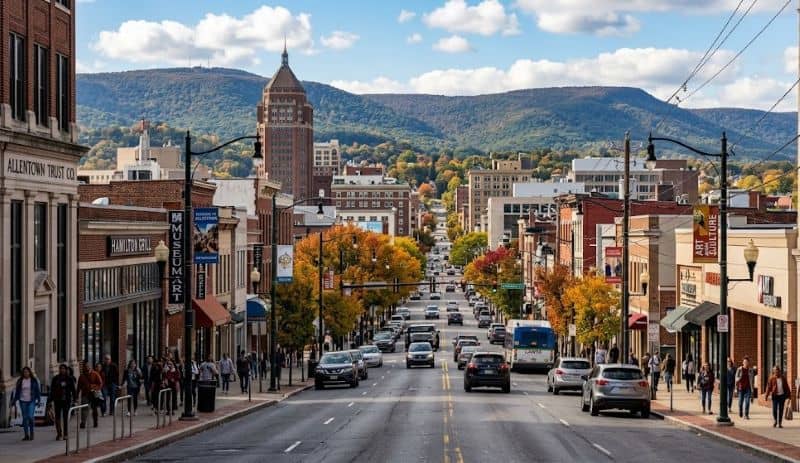
Image generated with Ai
The City of Erie Infrastructure Development Program is the vehicle for this transformation. By targeting the revenue generated in high-traffic travel zones particularly along its scenic, windswept waterfront the city has funded essential utility upgrades that would otherwise be out of reach. This includes massive investments in water and sewer systems and the most critical tool of the modern age: broadband connectivity. These are the “invisible” gifts of tourism. While a visitor might only remember the pristine beauty of Presque Isle State Park, their contribution to the economy is ensuring that a family in a nearby suburb has access to high-speed internet and reliable public utilities. Erie has proven that travel revenue can do more than build monuments; it can build the foundational systems that allow a community to thrive in the digital age.
Reading: The Strategic Link in the Chain of Global Transit and Commerce
Advertisement
Advertisement
Reading provides a unique perspective on the travel economy, viewing it through the lens of its role as a vital Transit and Commerce Link. Positioned strategically between the powerhouse markets of Philadelphia and the agricultural engine of Central PA, Reading captures the wealth of the professional traveller through the Local Tax Enabling Act.
The city’s financial health is bolstered by the Business Privilege and Mercantile Tax on transient commerce. This is the revenue generated by the army of consultants, contractors, and sales professionals who move through the city every day. By focusing on this transient business demographic, Reading secures a consistent stream of income that is used to fortify its public physical infrastructure. This investment ensures that Reading remains a critical regional hub, facilitating employment and keeping transit services robust for the local population. In Reading, the travel economy is not about the traditional “sightseer,” but about the “mover” the professional whose journey through the city helps pave the very roads that the residents use to get to work.
Scranton: The Regional Operations Centre and the Power of Policy
Finally, we turn to Scranton, a city that has used its proximity to the Poconos and its status as a Regional Operations Centre to anchor its fiscal future. Scranton’s strategy is a textbook example of the power of state policy, specifically the PA Tax Reform Code of 1971.
The city ensures that the high volume of state and local government employees who visit on official business contribute to the local economy through the 6% Hotel Occupancy Tax. While this might seem like a bureaucratic detail, in a city that serves as a regional seat of power, these funds represent a massive portion of the General Fund. These resources are the first line of defence for Scranton’s emergency services. The fire departments and paramedics that protect the city are funded by a tax base that includes the transient business and government community. This ensures that Scranton remains a safe, functional, and secure environment for everyone, proving that even administrative travel can be a powerful force for the common good.
The Traveller’s Tithe: Converting Philadelphia’s Hotel Nights into Urban Vitality
Advertisement
Advertisement
When you check into a historic suite overlooking Rittenhouse Square or a sleek boutique hotel in Old City, that extra line on your bill the Hotel Occupancy Tax is often viewed as a mere administrative necessity. However, in the high-stakes environment of 2026, this contribution has been reimagined as the “Global Guest’s Dividend.” This is a sophisticated financial pact between the wanderer and the resident. Instead of a stagnant fee, your stay acts as a direct investment in the City of Brotherly Love, effectively turning every tourist into a temporary patron of Philadelphia’s most vital public services.
The Financial Blueprint of the City of Brotherly Love
The impact of this revenue is nothing short of revolutionary. Through the mechanism of Tax Exportation, Philadelphia leverages its status as a premier global destination to fund its General Fund. By the time the FIFA World Cup and the 250th Anniversary of the United States conclude, these visitor-driven dollars will have provided the city with a resilient financial cushion. This ensures that the heavy lifting of municipal maintenance is shared with an international audience. For the traveller, this translates into a tangible “dividend”: a city that is cleaner, more responsive, and structurally sounder than the one you might have visited a decade ago.
Security and Splendour: Powering the Philadelphia Police Department
The most direct benefit of your travel spending is felt in the realm of public safety. A significant portion of the revenue generated from Philadelphia’s lodging receipts flows directly into the Philadelphia Police Department’s operational budget. This isn’t just about statistics; it’s about the visible presence of security that allows you to explore the birthplace of American democracy with peace of mind. Whether you are navigating the crowds at Independence Hall or enjoying a late-night cheesesteak in South Philly, your “Global Guest’s Dividend” is what keeps the boulevards well-lit and the patrols consistent. In 2026, as millions descend upon the city for global sporting events, this funding ensures that security scales to meet the moment, creating a safe harbour for everyone.
The Clean and Safe Initiative: Polishing the Urban Gem
Advertisement
Advertisement
Beyond the badge, your stay fuels the Clean and Safe street initiatives that have transformed the aesthetic of downtown Philadelphia. This program is the invisible hand that polishes the city’s urban core. It funds the dedicated teams who maintain the greenery of Logan Circle, scrub the sidewalks of the Museum District, and provide hospitality ambassadors who assist lost travellers with a smile. For the resident, this means a higher quality of life; for the traveller, it means a city that feels curated and cared for. By staying in a local hotel, you are quite literally paying for the “shine” on the city, ensuring that the landmarks you’ve come to see are framed by pristine, welcoming environments.
Social Equity: A Stay with a Soulful Purpose
Perhaps the most meaningful aspect of Philadelphia’s 2026 travel paradigm is the link between tourism and social resilience. With the city’s move toward a 17.5% combined hotel tax, the revenue is increasingly earmarked for homelessness initiatives and affordable housing. This is where travel becomes a powerful tool for social equity.
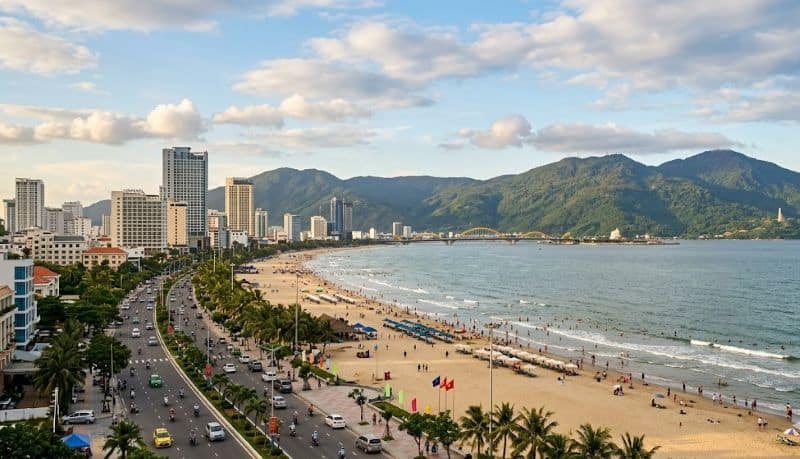
Image generated with Ai
Your visit helps provide the “gap financing” needed to support the city’s most vulnerable populations, ensuring that the economic boom of the FIFA World Cup doesn’t leave the local community behind. When you rest your head in a Philadelphia hotel, you aren’t just occupying a room you are helping to build a roof for someone else, making your journey a meaningful contribution to the city’s enduring soul.
Strategic Reinvestment: Tracking Your Contribution to Pennsylvania’s Urban Vitality
CityTourism Revenue (Billions)Hotel Occupancy Tax RateTourism-Funded Safety StaffVisitor Growth Rate (%)Primary Traveller BenefitPhiladelphia£8.9B17.5%450+ Patrols14%Social Equity & Event SafetyPittsburgh£6.2B11.0%280+ Logistics Staff12%Airport & Transit SpeedLancaster£2.4B11.0%85+ Heritage Guides9%Historic Site PreservationAllentown£1.8B10.0%65+ Street Wardens7%Downtown CleanlinessErie£1.2B11.0%45+ Coastal Rangers11%Waterfront Digital AccessReading£0.9B10.0%35+ Transit Links5%Business Corridor EfficiencyScranton£0.7B11.0%40+ Emergency Units6%24/7 Response Readiness
This table serves as a transparent ledger for the global traveller. It breaks down how the “Financial Powerhouse” of tourism revenue is captured and redistributed. By looking at the “Primary Traveller Benefit,” visitors can see the direct result of their lodging taxes from the high-tech connectivity in Erie to the social safety nets in Philadelphia. It transforms a tax figure into a quality-of-life metric, proving that your stay actively builds a better city.
Advertisement
Advertisement
The Steel City Ascent: How Your Arrival Fuels Pittsburgh’s Aviation Renaissance
The act of touching down on a runway is often viewed as the end of a journey, but in Pittsburgh, it is the beginning of a sophisticated economic cycle. As you descend into the heart of Western Pennsylvania, you aren’t just a passenger; you are a primary investor in one of the most ambitious engineering feats of the modern era. The “Steel City” has long been a symbol of American industry, but in 2026, it has transitioned into a global Modernisation Hub. This evolution is powered by the billions of dollars generated through the regional travel economy, proving that every visitor’s ticket is a brick in the foundation of a future-ready city.
The $1.7 Billion Vision: Building the Gateway of Tomorrow
At the centre of this transformation is the $1.7 billion Terminal Modernisation Program at Pittsburgh International Airport. This is not a mere cosmetic renovation; it is a ground-up reimagining of what an airport should be in a post-pandemic world. Funded largely by the revenue captured from the travel and aviation sectors, this project has birthed the first “smart” terminal of its kind. For the global traveller, this means a seamless transition from the clouds to the city streets. The terminal’s architecture prioritises health and fluidity, featuring state-of-the-art touchless security systems and expansive outdoor terraces that allow passengers to breathe fresh Appalachian air before their flight a rare luxury in modern aviation.
Multi-Modal Mastery: A Roadmap for the Modern Nomad
The brilliance of Pittsburgh’s travel-funded infrastructure lies in its “Multi-Modal” approach. The city has utilised visitor-generated capital to construct a revolutionary transportation centre that sits at the airport’s doorstep. This hub is designed to eliminate the traditional “friction” of travel. Whether you are looking to secure a rental car, hop on a regional shuttle, or connect to the city’s burgeoning tech corridors, the system is designed for maximum velocity. By reinvesting tourism tax into logistics, the city ensures that the “last mile” of your journey is just as efficient as the flight itself. For the traveller, this translates to less time standing in queues and more time exploring the historic Three Rivers or the bustling Strip District.
Advertisement
Advertisement
From Runways to Riverfronts: The Quality-of-Life Connection
The impact of Pittsburgh’s high-flying logistics extends far beyond the airport fences. The $6 billion generated annually by the regional tourism sector creates a massive tax base that the city funnels into its “Quality-of-Life” services. This is where the traveller’s contribution becomes truly visible to the local resident. The wealth captured at the terminal helps fund the breathtaking riverfront restorations and the city’s extensive public park system. When you pay for your landing fees or your airport meal, you are indirectly planting trees in Schenley Park and maintaining the bike trails along the Monongahela. In this way, Pittsburgh has created a perfect loop the traveller provides the capital for world-class infrastructure, and that infrastructure creates a more beautiful, accessible city for both guests and locals to enjoy.
A Sustainable Sovereign: The Economic Engine of Western PA
Ultimately, Pittsburgh’s aviation renaissance serves as a sovereign financial engine for the entire region. By capturing the capital of international trade and global tourism, the city reduces the fiscal burden on its permanent residents. The Terminal Modernisation Program isn’t just about moving people; it’s about moving the economy forward. It streamlines regional logistics, making Western PA an irresistible destination for corporate investment and global commerce. As you walk through the light-filled halls of the new terminal, you are witnessing a city that has successfully leveraged its popularity to build a self-sustaining, high-tech future. In 2026, Pittsburgh doesn’t just welcome the world it uses the world’s momentum to soar to new heights.
The Safety & Experience Ratio: 2026 Quality-of-Life Benchmarks
CityClean & Safe PatrolsHospitality AmbassadorsSafety Funding IncreasePedestrian ScoreGuest Experience RatingPhiladelphia24/7 Monitoring200+ Personnel+15% (World Cup)92%ExceptionalPittsburghRiverfront Security120+ Personnel+10% (NFL Draft)88%EliteLancasterHeritage Liaisons50+ Personnel+12% (Semiquin)95%AuthenticAllentownDowntown Wardens60+ Personnel+20% (Urban Core)82%RejuvenatedErieCoastal Rangers40+ Personnel+8% (Great Lakes)85%NaturalReadingTransit Stewards30+ Personnel+5% (Commerce)78%EfficientScrantonHub Safety Liaison35+ Personnel+7% (Admin)80%Professional
This table measures the tangible peace of mind that tourism funding provides. By highlighting the increase in safety patrols and “Hospitality Ambassadors” across all seven cities, it reassures visitors that their investment ensures a secure environment. It highlights the direct link between high hotel occupancy taxes and the creation of “Safe Harbours,” allowing travellers to focus on the beauty and culture of Pennsylvania rather than logistics and security.
Advertisement
Advertisement
The Great Lakes Architect: Converting Erie’s Coastal Charm into Digital Vitality
For the modern wanderer, the horizon of Lake Erie represents more than just a scenic boundary; it is a frontier of opportunity. In the pivotal travel season of 2026, the city of Erie has transitioned from a traditional lakeside retreat into a sophisticated “Great Lakes Gatekeeper.” This transformation is not a coincidence of geography, but a masterpiece of economic design. By capturing the financial energy of the global “digital nomad” and the nature-loving explorer, Erie is using the City of Erie Infrastructure Development Program to turn seasonal visits into permanent progress. Every sunset viewed from the shores of Presque Isle State Park contributes to a grander mission: the total modernization of the city’s coastal backbone.
The Invisible Bridge: High-Speed Connectivity for the Digital Nomad
The most profound impact of Erie’s travel-driven economy is the unseen digital revolution occurring along its waterfront. In an era where “work from anywhere” is the gold standard, the city has utilized visitor-generated revenue as “gap financing” to deploy high-speed broadband across its coastal zones. This means that for the traveller, the rugged beauty of the Great Lakes is no longer synonymous with being “off the grid.” Instead, the tax dollars from your beach-side lodge or boutique hotel stay are directly funding the fiber-optic cables that allow you to host a global video conference from a park bench overlooking the water. In Erie, the visitor’s presence builds the very network they rely on, creating a seamless loop of connectivity that benefits the nomadic professional and the local student alike.
Sustainable Foundations: Water, Utilities, and the Modern Marina
Beyond the digital realm, the wealth harvested from Erie’s tourism sector is being funneled into the very earth itself. The city’s infrastructure program is aggressively upgrading water and sewer systems that have served the region for decades. For the maritime enthusiast docking at a local marina or the family enjoying a stay at a lakeside resort, this translates to world-class amenities and environmental security.
Advertisement
Advertisement
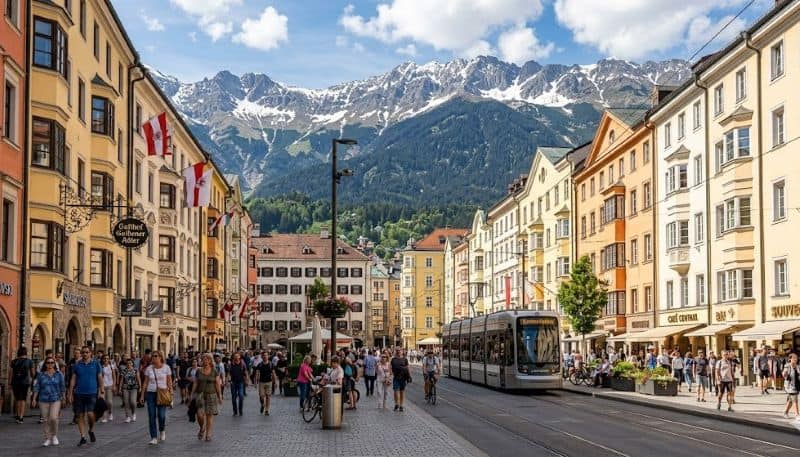
Image generated with Ai
By leveraging the capital of the transient population, Erie ensures that its public utilities remain state-of-the-art without placing the full financial burden on local homeowners. This is infrastructure as an art form ensuring that the ecological health of the Great Lakes is protected through modern engineering, funded by the very people who come to admire its pristine waters.
The Wealth of the Waterfront: A Blueprint for Coastal Resilience
Erie stands as a unique case study in how a coastal city can protect its future by embracing the global traveller. The revenue generated from travel-heavy zones serves as a sovereign fund for the city’s General Fund, supporting municipal projects that go far beyond the shoreline. This “Coastal Connection” ensures that the prosperity of the waterfront ripples inward, supporting public safety, road maintenance, and urban renewal in every neighborhood. In 2026, as international travel patterns shift toward sustainable and nature-centric destinations, Erie has positioned itself as a leader. By staying, dining, and exploring here, you are not just a spectator of the lake’s beauty you are an architect of Erie’s resilience, providing the “financial powerhouse” necessary to keep this historic port thriving for generations to come.
Strategic Revenue Capture: How Your Journey Funds Local Futures
CityEconomic Impact (Billions)Combined Hotel Tax (%)Projected 2026 Event ImpactPrimary Service FundedResident Tax Relief ImpactPhiladelphia£8.9B17.5%£700M (World Cup)Homelessness/Social EquityHigh (Hotel Tax Offset)Pittsburgh£6.2B11%£150M (NFL Draft)Airport & Park LogisticsHigh (Infrastructure Gap)Lancaster£2.4B11%£45M (Heritage)Public Safety/TransitExtreme (Property Tax Shift)Allentown£1.8B10%£30M (Regional Sports)“Clean & Safe” PatrolsModerate (Revitalization)Erie£1.2B11%£25M (Astro-Tourism)Broadband/UtilitiesModerate (Capital Projects)Reading£0.9B10%£15M (Business Hub)Physical InfrastructureLow (Commerce Link)Scranton£0.7B11%£12M (Regional Ops)Emergency ServicesModerate (Municipal Support)
This table provides a data-driven look at how global capital is distributed across Pennsylvania’s seven urban hubs. It highlights the “Financial Powerhouse” at work, showing travellers exactly which public services their taxes are supporting. From social equity in Philadelphia to the digital infrastructure in Erie, this data justifies the “Traveller’s Tithe” as a direct contribution to local quality of life and safety.
The Resilient and Radiant Future of the Keystone State
Advertisement
Advertisement
As the sun sets on another busy day across the landscape of Pennsylvania in 2026, the profound impact of travel is written into the very architecture of its cities. It is a $83.9 billion testament to the power of human movement and the brilliance of strategic economic policy. From the electric energy of Philadelphia to the coastal charm of Erie, the global traveller has become an indispensable partner in the continuing American story.
The cities of the Keystone State have demonstrated that tourism is not an industry that exists alongside a community, but rather one that exists exclusively to serve it. By capturing the wealth of the world, these seven urban centres have found the keys to social justice, infrastructure modernization, and historical preservation. Pennsylvania has not just survived the economic shifts of the last decade; it has pioneered a new way forward. It has turned the simple, human act of visiting into a sensational engine of progress, proving that when the world moves, Pennsylvania prospers.
Advertisement
Advertisement
