
As states look for ways to upgrade their infrastructure, meet their climate goals, and build communities where everyone can thrive, smart cities offer an exciting way forward for elected officials. By tapping into tools like the Internet of Things (IoT), Artificial Intelligence (AI), and green infrastructure, these cities can make daily life better, from easing traffic and cutting energy waste, to improving public safety and healthcare.
Pittsburgh is notable for its smart traffic system, which uses AI and sensors to manage traffic flow, reducing travel time and vehicle emissions. Philadelphia launched its SmartCityPHL Roadmap in 2019, with initiatives including a digital permit navigator to speed up the permitting process for businesses and residents. Harrisburg is another city undergoing a smart and connected transformation, working with Telensa to deploy over 4,000 smart connected streetlights.
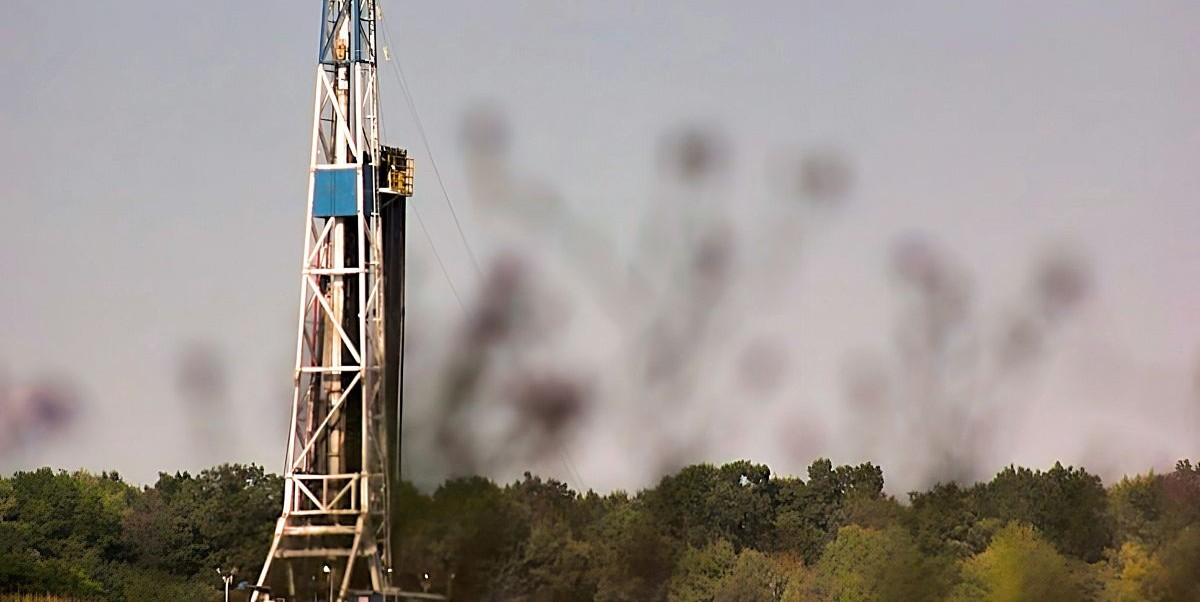
Smart cities will need AI and real time cloud computing to run, yet AI is projected to require seven times more power than New York City’s annual electricity consumption alone by 2030. Power demand is already skyrocketing. As the former Mayor of Philadelphia, I am excited about Pennsylvania’s economic growth potential when it comes to AI, but I know increased smart city advancements aren’t possible without an energy policy that embraces natural gas.
As an original founder of the Climate Mayors, a national non-profit organization, I am in favor of setting goals for renewable energy. However, even as a lifelong Democrat, I cannot support far-reaching, all-or-nothing policies pitched by some members of my party that most Pennsylvanians and municipalities can’t afford. While the typical installation cost for solar panels in Pennsylvania is over $20,000, three-quarters of Pennsylvanians worry about access to affordable electricity, according to a statewide poll.
More and more elected leaders nationwide are discovering the benefits of smart city initiatives and the necessity of a robust energy supply to power them.
Meanwhile, natural gas drives reductions in emissions and is responsible for over 60 percent of America’s carbon emission reductions since 2005. It is currently the source of the majority of our state’s electricity, and heats more Pennsylvania homes than any other fuel.
The Democratic Governor’s Association held a panel on Smart Cities this past summer at their policy conference. More and more elected leaders nationwide are discovering the benefits of smart city initiatives and the necessity of a robust energy supply to power them.
Democratic leaders like Pennsylvania Governor Josh Shapiro and Connecticut Governor Ned Lamont understand that a successful clean-energy transition must be grounded in economic reality. They recognize natural gas is not a barrier to progress, but an energy source to work in tandem with more nuclear and renewables, keeping energy affordable and dependable while we scale clean technologies.
New York Governor Kathy Hochul’s recent acknowledgment that natural gas must be part of New York’s energy future is a critical turning point. It signals that the Governor understands that achieving a clean energy future does not mean discarding the tools that work today. Natural gas remains a cornerstone of grid reliability.
A major AI summit was held in Pittsburgh this fall, headlined by Governor Shapiro and U.S. Senator Dave McCormick (R-PA). This follows Carnegie Mellon’s inaugural Energy and Innovation Summit in July, hosted by Senator McCormick, where $90 billion in investments toward AI and data centers was announced. Philadelphia was named in the top 10 U.S. smart cities for tech and sustainability in 2025, serving as headquarters for 12 AI companies.
Pennsylvania has a choice: Fall victim to the pressure of far-left energy policies that denounce natural gas, or embrace natural gas, in partnership with renewables, to hold onto its AI lead and power this next generation of smart cities.
Michael A. Nutter served as the 98th Mayor of Philadelphia from 2008 to 2016. He co-hosts The Citizen’s How To Really Run A City podcast with former Atlanta Mayor Kasim Reed. He serves on the leadership council and is an advisor to Natural Allies for a Clean Energy Future.
The Citizen welcomes guest commentary from community members who represent that it is their own work and their own opinion based on true facts that they know firsthand.
 ENERGY AND AI IN PENNSYLVANIA
Photo by Brad Weaver on Unsplash